
Plants
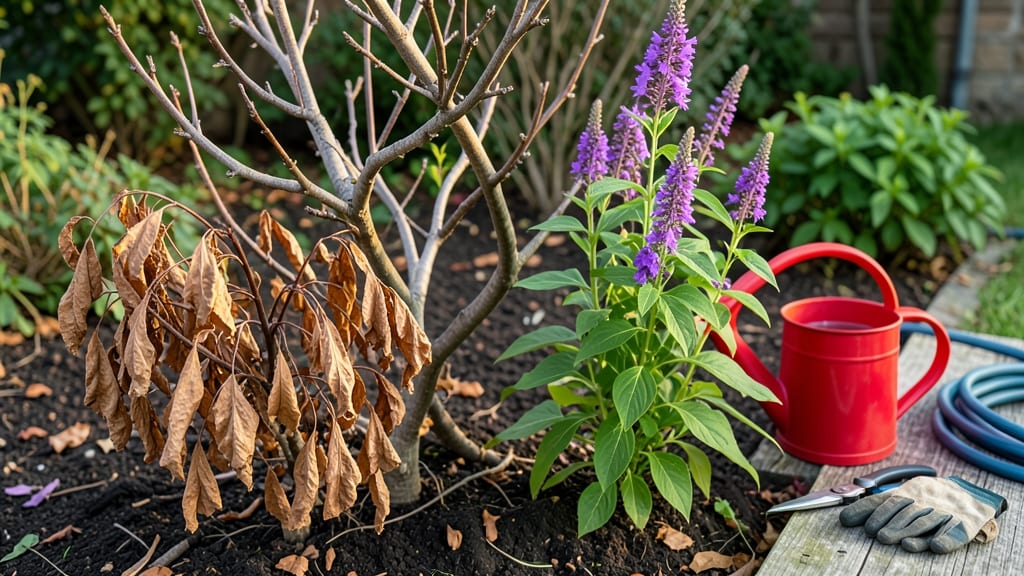
Your butterfly bush isn't always dead—it might just need a wake-up call. 🌿 I've nursed many back to life after they looked hopeless, and the secret usually lies in understanding what's really happening with those woody stems and sparse foliage.
Most "dead" butterfly bushes suffer from one of three issues: winter dieback (common in colder zones), over-pruning, or root stress. The good news? All three have simple fixes. Start by checking the stems—if they're still firm and green inside when you cut them, there's life left to revive.
With just three targeted pruning cuts, you can transform that sad skeleton into a bush that'll attract butterflies within weeks. We'll focus on removing dead wood, shaping for airflow, and encouraging new growth from the base.
This works whether you're dealing with a 3-foot shrub or a 10-foot monster—the same principles apply. Let's bring your butterfly bush back to life before the pollinators arrive for their next visit.
Common Reasons Your Butterfly Bush Fails
If your butterfly bush (Buddleia davidii) looks more like a sad, leafless stick than a vibrant pollinator magnet, don’t panic—yet. Several common (and often fixable) issues can turn your bush into a ghostly silhouette.
Understanding the root cause is the first step to revival. Below, we break down the most likely culprits, backed by science and actionable insights.
Butterfly bushes thrive on strategic pruning, but timing and technique matter. If you prune too late in the season or cut back too aggressively, you risk removing next year’s blooms and weakening the plant’s energy reserves.
- Late-season pruning: Pruning after early fall or winter can stimulate tender new growth that won’t survive frost, leaving your bush vulnerable to cold damage. Buddleia is semi-hardy (USDA zones 5–9), but late cuts trick it into thinking spring is near.
- Overly aggressive cuts: Butterfly bushes bloom on new wood (current year’s growth), so pruning back to bare wood in one go removes potential bloom sites. Think of it like shaving your head—you’ll need to grow it back!
- Not thinning out: Skipping the "thinning" step (removing older, crowded stems) leads to a dense center with poor airflow, inviting fungal diseases like powdery mildew.
Pro Tip: ✨ The golden rule is to prune in early spring (just as new shoots emerge) or late winter. Cut back 1/3 of the oldest stems to the ground and trim others by half to encourage bushier, healthier growth.
Butterfly bushes are drought-tolerant once established, but they’re not desert plants. Too much or too little water can send your bush into shock, causing leaves to drop or stems to die back.
| Issue | Signs | Cause |
|---|---|---|
| Underwatering | Crispy, brown leaves; dry, brittle stems; wilting despite soil appearing dry | Butterfly bushes need 1–1.5 inches of water per week during their first year. After that, they’re drought-resistant but still need deep watering every 2–3 weeks in dry climates. |
| Overwatering | Yellowing leaves; mushy stems; foul-smelling soil; fungal growth at the base | Soggy soil suffocates roots, leading to root rot (often caused by Phytophthora fungi). Butterfly bushes prefer well-draining soil—amend clay soil with compost or sand. |
| Poor Drainage | Stunted growth; leaves turning yellow or black; roots exposed above soil | If your bush sits in a low spot or compacted soil, water pools around roots. Test drainage by digging a hole: if water doesn’t seep in within 30 minutes, amend the soil. |
Action Step: 🌡️ Check the soil 2 inches down—if it’s dry, water deeply. If it’s soggy, hold off until it dries out. For established plants, mulch around the base (but keep mulch 6 inches away from the stem) to retain moisture without smothering roots.
Butterfly bushes are generally low-maintenance, but pests and pathogens can turn them into a sad, skeletal version of themselves. Here’s what to watch for:
- Spider Mites 🕷️:
- Symptoms: Tiny yellow spots on leaves, fine webbing, leaves curling or falling off.
- Why it happens: These sap-sucking pests thrive in hot, dry conditions and weak plants. They inject toxins that cause leaf drop.
- Fix: Spray leaves with a strong stream of water to dislodge them. For severe infestations, use neem oil or insecticidal soap.
- Powdery Mildew 🍄:
- Symptoms: White, powdery coating on leaves; leaves yellowing and dropping.
- Why it happens: Fungal infection caused by high humidity + poor airflow. Dense pruning or crowded plants create the perfect petri dish.
- Fix: Prune for airflow, water early in the day (not overhead), and spray with baking soda solution (1 tsp baking soda + 1 quart water + a drop of dish soap).
- Canker or Bacterial Blight 🦠:
- Symptoms: Dark, sunken lesions on stems; oozing sap; wilting branches.
- Why it happens: Caused by Pseudomonas bacteria, often from wounded stems (e.g., from improper pruning or hail).
- Fix: Remove infected stems immediately (sterilize pruners with rubbing alcohol). Avoid overhead watering, and disinfect tools between cuts.
Prevention Tip: 🔥 Inspect your bush weekly during growing season. Early detection = easier fixes!
Butterfly bushes are adaptable, but extreme conditions can push them over the edge. Here’s how to spot environmental abuse:
- Winter Burn ❄️:
- Symptoms: Brown, crispy leaves in spring; dead branches after a harsh winter.
- Why it happens: Buddleia can handle cold but struggles with winter desiccation (when wind + sun dry out leaves faster than roots can replace moisture).
- Fix: Mulch heavily (3–4 inches of straw or shredded leaves) around the base in late fall. For young plants, wrap stems in burlap or use frost cloth.
- Heat Stress 🔥:
- Symptoms: Leaves curling, wilting, or turning brown; stems becoming brittle.
- Why it happens: Prolonged temperatures above 90°F (32°C) can scorch leaves and halt growth. Butterfly bushes prefer full sun but with afternoon shade in hot climates.
- Fix: Provide light afternoon shade (e.g., a sheer curtain or nearby tree). Water deeply in the morning to reduce evaporation.
- Poor Soil Nutrition 🌱:
- Symptoms: Pale, yellow leaves; slow growth; weak stems; few blooms.
- Why it happens: Butterfly bushes prefer well-draining, slightly alkaline soil (pH 6.0–7.5). Compacted or nutrient-poor soil starves roots.
Revive Your Butterfly Bush Now
If your butterfly bush looks like it’s thrown in the towel, don’t panic—it’s often just a temporary setback! With the right care, you can bring it back to life and even encourage it to bloom more beautifully than before.
Below are targeted solutions based on the most common reasons your bush might appear lifeless. Follow these steps to diagnose and fix the issue, then keep your plant thriving with simple prevention tips.
If you’ve cut back too much (especially in late summer or fall), your butterfly bush may look bare and stressed. These plants need some foliage to photosynthesize and recover. Here’s how to fix it:
🔪 Step-by-Step Revival
- Assess the Damage 📏
- Look for new growth at the base of the stems. If you see green buds or shoots, your bush is still alive!
- If there’s no new growth, check for signs of rot or pests (more on that below).
- Light Pruning to Encourage Regrowth ✂️
- Trim back only the dead or brown branches—leave at least 1/3 of the plant intact.
- Avoid cutting into old wood (woody, dark stems) unless absolutely necessary. Focus on live stems with green underneath the bark.
- Fertilize for a Boost 💪
- Use a balanced, slow-release fertilizer (like 10-10-10) or one high in phosphorus (for blooms).
- Water deeply after applying to help roots absorb nutrients.
- Monitor for New Growth 🌿
- Within 2–4 weeks, you should see fresh shoots. If not, your bush may need more drastic measures (see next section).
💡 Prevention Tips
- Prune at the right time: The best time to prune butterfly bushes is late winter or early spring (before new growth starts).
- Never cut more than 1/3 of the plant in one season—this stresses the bush.
- Avoid fall pruning: This can stimulate tender new growth that won’t survive winter.
Butterfly bushes are drought-tolerant but still need consistent moisture—especially in their first year. Too little or too much water can mimic a "dead" appearance. Here’s how to fix it:
🍳 Fixing Water Issues
- Check the Soil Moisture 🌡️
- Stick your finger 2 inches into the soil. If it’s bone-dry, underwatering is the issue. If it’s soggy, you’re overwatering.
- Adjust Your Watering Routine
- Underwatered? Water deeply 1–2 times per week (more in extreme heat). Use a soaker hose or drip irrigation to avoid wetting leaves (which can cause disease).
- Overwatered? Stop watering immediately and let the soil dry out. If the roots are mushy or smell rotten, you may need to repot or replace the plant.
- Improve Drainage 🚰
- Amend heavy clay soil with compost or perlite to help water drain better.
- Ensure pots have drainage holes if growing in containers.
- Mulch to Retain Moisture 🌿
- Apply 2–3 inches of mulch (like wood chips or straw) around the base to lock in moisture and regulate soil temperature.
💡 Prevention Tips
- Water in the morning to reduce evaporation and fungal risks.
- Avoid letting soil stay soggy—butterfly bushes hate "wet feet."
- Group plants together to create a microclimate that retains moisture.
If your bush has holes, wilting leaves, or strange spots, pests or disease might be the culprit. Act fast to save it!
👨🍳 Treating Pest & Disease Problems
- Identify the Issue 🔍
- Aphids/spider mites: Tiny webs or sticky residue on leaves.
- Japanese beetles: Large, shiny beetles chewing leaves.
- Powdery mildew: White, powdery coating on foliage.
- Root rot: Yellowing leaves, mushy stems, and foul-smelling soil.
- Treat Pests Naturally 🌿
- Spray with soapy water (1 tsp mild soap + 1 quart water) for aphids/mites.
- Handpick Japanese beetles early in the morning (drop them in soapy water).
- Neem oil spray (follow label instructions) for fungal diseases like powdery mildew.
- Revive a Diseased Plant 🛡️
- Prune infected branches immediately with sterilized shears (wipe with rubbing alcohol).
- Improve airflow by spacing plants apart and pruning nearby foliage.
- Apply fungicide (like copper-based sprays) if powdery mildew persists.
- Fix Root Rot ⚠️
- If roots are mushy and black, trim away the rotten parts and repot in fresh, well-draining soil.
- Reduce watering and ensure the pot has drainage holes.
💡 Prevention Tips
- Inspect plants weekly for early signs of pests or disease.
- Encourage beneficial insects (like ladybugs) by planting marigolds nearby.
- Avoid overhead watering to prevent fungal spores from spreading.
Some butterfly bushes take a while to wake up in spring, especially if they’re young or had a harsh winter. Don’t assume it’s dead—patience is key!
⏰ How to Tell If It’s Just Dormant
- Wait Until Late Spring 🌸
- Butterfly bushes can look bare until April or May, even if they’re alive. New growth should appear by then.
- Test for Life 💚
- Scratch the bark on a small branch—if it’s green underneath, the plant is alive!
- Check for buds at the base of stems. If you see swollen nodes, it’s still viable.
- Give It Time to Recover ⏳
- If the bush is still dormant in early spring, avoid pruning until you see signs of regrowth.
- Fertilize lightly in early spring to encourage new shoots.
💡 Prevention Tips
- Mulch heavily in fall (4–6 inches) to protect roots from freezing.
- Choose cold-hardy varieties (like ‘Fast Fire’ or ‘Moonlight’) if you live in a short growing season.
- Plant in a sheltered spot (away from strong winds) to reduce winter stress.
With these fixes, your butterfly bush should bounce back stronger than ever. Remember: patience and consistency are key. If you’ve tried everything and still see no signs of life, it might be time to replace it—but in most cases, a little TLC is all it needs! 🌟
Frequently asked questions
How can I tell if my butterfly bush is actually dead or just dormant?
Scratch the bark on a small branch—if it's green underneath, your bush is alive! Look for swollen buds at the base of stems or new shoots emerging in late spring. Even if it looks bare in winter, butterfly bushes often stay dormant until April or May.
What should I do if only some branches look dead?
Prune back only the dead or brown branches—never cut more than 1/3 of the plant at once. Focus on removing branches with no green underneath the bark, leaving healthy stems to recover and regrow.
Can I save a butterfly bush that's been overwatered?
Stop watering immediately and let the soil dry out completely. If roots are mushy or smell rotten, trim away the damaged parts and repot in fresh, well-draining soil. For container plants, ensure drainage holes are present to prevent future soggy soil.
Why does my butterfly bush have no flowers but still looks healthy?
Overly aggressive pruning (especially in late summer/fall) removes next year's blooms since butterfly bushes flower on new wood. Prune in late winter/early spring instead, and fertilize with phosphorus-rich food to encourage blooms.
How long does it take for a butterfly bush to recover?
With proper care, you should see new growth within 2-4 weeks. For severely neglected bushes, recovery may take up to 2 months. Be patient—consistent watering, proper pruning, and good soil drainage are key to revival.