
Pruning
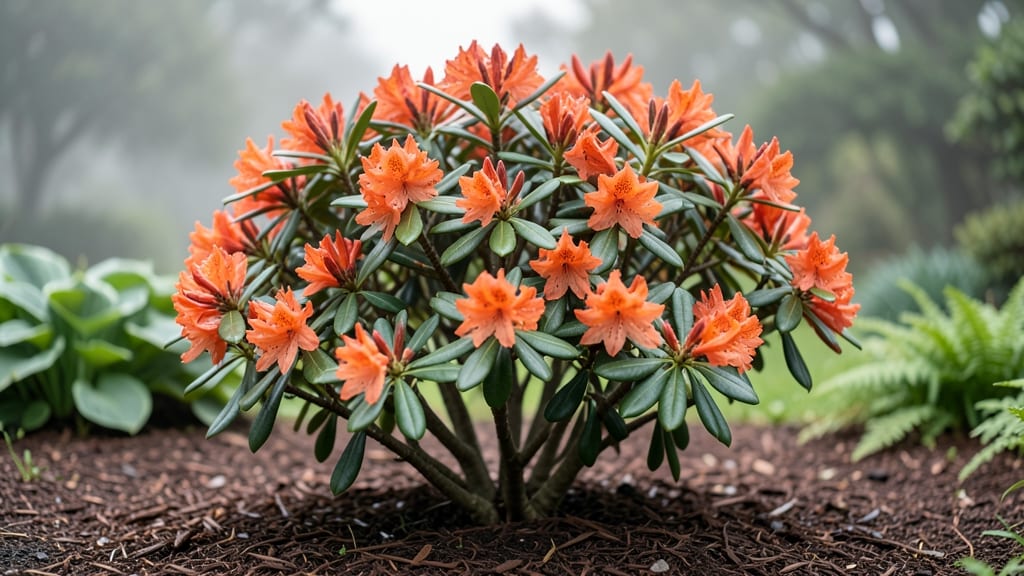
That fiery orange rhododendron bush blooming in your yard could be putting on an even bigger show with just a few deadheading tricks. 🌸 I’ve watched my Rhododendron 'Orange Rocket' transform from a modest spring display to a year-round burst of color—all by removing spent blooms at the right time.
The secret isn’t complicated, but timing and technique make all the difference.
These bushes thrive in acidic, well-draining soil and partial shade, but their real magic happens after the initial bloom. Cut back faded flowers just above the first set of healthy leaves, and you’ll trigger a second flush of blooms by midsummer.
Over time, this simple habit keeps your plant looking fuller, encourages stronger growth, and extends the season—sometimes even into fall.
You’ll end up with a bush that looks like it was designed for a postcard: glossy leaves, vibrant orange clusters, and a shape that’s naturally balanced. The best part? It’s a foolproof way to keep your rhododendron looking its best with minimal effort.
Just avoid heavy pruning in late summer or fall, as that can stunt next year’s blooms.
Works for PJM Orange and other varieties too—just adjust the timing slightly based on your climate. Here’s how to do it without stressing the plant or your schedule.
📚 In This Guide
- What you need
- Instructions
- Tips and common mistakes
- Wrapping up and next steps
What you need
- ● Pruning shears – Bypass pruners (sharp, clean blades, 6–8" size) for precision cuts.
- ● Hand pruners – Bypass or anvil type (for smaller stems, 4–5" size).
- ● Loppers – For thicker branches (8–10" size, with bypass blades).
- ● Garden gloves – Heavy-duty, cut-resistant (to protect hands from thorns and sap).
- ● Disinfectant solution – 70% isopropyl alcohol or bleach-water mix (1 part bleach to 9 parts water) to sterilize tools.
- ● Sharpie or permanent marker – For labeling pruned branches (if grafting or layering later).
- ● Trash bag or bucket – For collecting spent blooms and debris.
- ● Hose with nozzle – To rinse tools and clean up sap.
- ● Extension pole pruners – For high-reaching branches (if your bush is tall).
- ● Fungicide spray – Copper-based or neem oil (to prevent disease after pruning).
- ● Mulch (pine bark or shredded leaves) – To protect roots post-pruning.
- ● Plant food (acid-loving fertilizer) – Slow-release rhododendron-specific formula (apply after pruning).
- ● Camera or phone – To document your bush’s progress before/after!
How to extend blooming season in your orange rhododendron bush
Here’s how to keep your vibrant orange rhododendron flowering year-round with simple deadheading techniques.
🌿 Step 1: Identify and Prepare for Deadheading
Start by examining your rhododendron’s blooms. Focus on spent flowers—those that have wilted or turned brown while still attached to the plant. Orange rhododendrons often bloom in spring, but with the right care, they can produce secondary blooms later in the season. Use clean, sharp pruners to remove only the faded flowers, leaving the green stem below intact.
This step is crucial because cutting back to fresh growth encourages new buds to form. Avoid pruning into old wood, as this can stimulate unwanted leaf growth rather than flowers. Work on a dry day when the plant isn’t stressed by heat or drought—this helps it recover faster.
✂️ Step 2: Deadhead at the Right Time
Timing matters most. Deadhead your orange rhododendron immediately after the first flush of blooms fades, usually in late spring. This signals the plant to redirect energy into producing new flowers instead of seeding. For year-round blooms, repeat the process every 2-3 weeks during the growing season (spring through early fall).
Watch for new buds forming at the base of the plant—these are your cues that deadheading is working. If you see leggy growth or sparse blooms, you might be pruning too aggressively. Orange rhododendrons respond best to light, frequent trims rather than heavy cuts.
☀️ Step 3: Optimize Light and Water for Continuous Blooms
After deadheading, ensure your rhododendron gets morning sun and afternoon shade—too much direct sunlight can stress the plant and reduce flowering. If your bush is in a shady spot, consider relocating it to a partially sunny area (4-6 hours of indirect light daily). This balance keeps the plant healthy enough to support new blooms.
Water deeply once a week during dry spells, keeping the soil evenly moist but not soggy. Orange rhododendrons thrive in acidic, well-draining soil (pH 4.5-6.0). If your soil is alkaline, amend it with peat moss or sulfur to encourage vibrant blooms. Mulch around the base with 2-3 inches of organic mulch to retain moisture and protect roots.
🌱 Step 4: Fertilize for Extended Blooming
Feed your rhododendron in early spring with a slow-release, acid-loving plant fertilizer (look for one with higher phosphorus for blooms). Avoid high-nitrogen fertilizers—they promote leafy growth at the expense of flowers. After the first bloom cycle, apply a light dose of fertilizer again in midsummer to support secondary blooms.
I like to use a balanced 10-10-10 fertilizer (equal parts nitrogen, phosphorus, potassium) but halve the recommended dose. Over-fertilizing can lead to weak stems and fewer flowers. Always water the plant thoroughly after applying fertilizer to prevent root burn.
⏰ Step 5: Monitor and Adjust for Year-Round Success
Check your rhododendron weekly for new buds or signs of stress. If leaves yellow or drop, it may need more shade or better drainage. Orange rhododendrons are sensitive to drought and heat, so adjust watering if the soil feels dry 1 inch below the surface. In fall, reduce watering slightly to prepare the plant for dormancy, but keep the soil lightly moist.
This is the moment that matters: by late summer, you should see fresh buds forming along the stems. If blooms taper off, consider pruning back any overly leggy growth in early spring to encourage a bushier, more productive shape. With consistent care, your orange rhododendron will reward you with continuous blooms from spring through fall.
Tips & tricks for perfect orange rhododendron blooms
Here's how to turn your late-spring blooms into a year-round floral display with minimal effort.
Timing Secret: In Step 2, when you're deadheading every 2-3 weeks, focus on removing only the fully spent flowers—not the buds or partially open blooms. The plant needs those energy reserves for new growth. I've found that using a small pair of pruning shears (instead of fingers) gives you more precision, which means less stress on the plant. This careful approach is what triggers those secondary blooms in summer and fall.
Light Strategy: The 4-6 hours of morning sun mentioned in Step 3 is your sweet spot—too much direct afternoon sun can scorch delicate petals. If you notice leaves curling or turning yellow, it's a sign your rhododendron is getting too much heat. I've had the best results by positioning my bush where it gets bright morning light but is shaded by taller trees or a lattice in the afternoon. This balance is key for maintaining vibrant orange blooms throughout the season.
Soil Savvy: When amending your soil's pH in Step 3, don't guess—test it first. I've seen many gardeners overdo it with sulfur, thinking more equals better, only to end up with brown, crispy leaves. Aim for that 4.5-6.0 range and test again in 6 months. A simple soil test kit from your garden center will give you precise numbers. The right pH makes all the difference in how well your rhododendron absorbs nutrients for continuous blooming.
Fertilizer Fine-Tuning: That light dose of fertilizer in midsummer (Step 4) should be about half what the package recommends. I've learned this the hard way—over-fertilizing in summer can actually reduce flowering by encouraging too much leafy growth. Think of it as a gentle nudge rather than a feeding frenzy. And always water thoroughly after applying to prevent root burn, which can set your progress back weeks.
Pro Tips for Orange Rhododendron Bush
- Here's how to turn your late-spring blooms into a year-round floral display with minimal effort.
- Timing Secret: In Step 2, when you're deadheading every 2-3 weeks, focus on removing only the fully spent flowers—not the buds or partially open blooms.
- Light Strategy: The 4-6 hours of morning sun mentioned in Step 3 is your sweet spot—too much direct afternoon sun can scorch delicate petals.
Frequently asked questions
Got questions about keeping your orange rhododendron bush vibrant and blooming year-round? You’re not alone! Here are some of the most common queries—and straightforward answers—to help you master the art of deadheading and care.
When is the best time to deadhead an orange rhododendron bush?
Deadhead after blooms fade but before seed pods form—typically late spring to early summer for most varieties. Avoid pruning in fall or winter, as this can stress the plant. For year-round blooms, repeat deadheading every 4–6 weeks during peak flowering seasons. Pro tip: Use sharp, sterilized shears to prevent disease!
How much can I trim without harming the bush?
Never remove more than 1/3 of the plant’s growth in a single session. For orange rhododendrons, focus on spent blooms and leggy stems. Avoid over-pruning, as these shrubs bloom on old wood. If you accidentally trim too much, don’t panic—healthy roots will bounce back with proper watering and fertilizer.
What should I do if my rhododendron isn’t blooming after deadheading?
Several factors could be at play: lack of sunlight (they prefer partial shade), poor soil pH (aim for acidic, 4.5–6.0), or nutrient deficiency. Test your soil and amend with peat moss or sulfur if needed. Also, ensure consistent moisture—drought stress can stunt blooms. Need more help? Check for pests like spider mites or aphids!
Are there alternatives to deadheading for encouraging more flowers?
Yes! While deadheading is the most effective method, you can also fertilize with acid-loving plant food (like rhododendron-specific formulas) in early spring. Mulching with pine needles or oak leaves helps retain moisture and acidity. For continuous blooms, some gardeners opt for Rhododendron ‘Nova Zembla’, a hybrid known for extended flowering.
Why are my orange rhododendron leaves turning yellow or brown?
Yellowing leaves often signal overwatering or root rot, while brown edges can mean underwatering or sunburn. Check soil moisture—rhododendrons prefer consistently moist but well-drained soil. If leaves curl or drop, inspect for pests (like lace bugs) or fungal issues (e.g., powdery mildew). Adjust care and treat with neem oil if needed.
Still stumped? Drop your orange rhododendron woes in the comments—we’re happy to help!
Wrapping up and next steps
Transforming your orange rhododendron bush into a year-round blooming star is simpler than you think! With the right tools, timing, and deadheading techniques, you’ll unlock vibrant bursts of color that keep your garden lively. Remember, patience and consistency are key—your hard work will pay off in stunning, repeat blooms.
Ready to take the next step? Start small:
- Pick one bush to practice on this season.
- Schedule a quick weekly check-in to trim spent blooms.
- Share your progress—your garden (and neighbors!) will thank you! 🌸