
Flowers
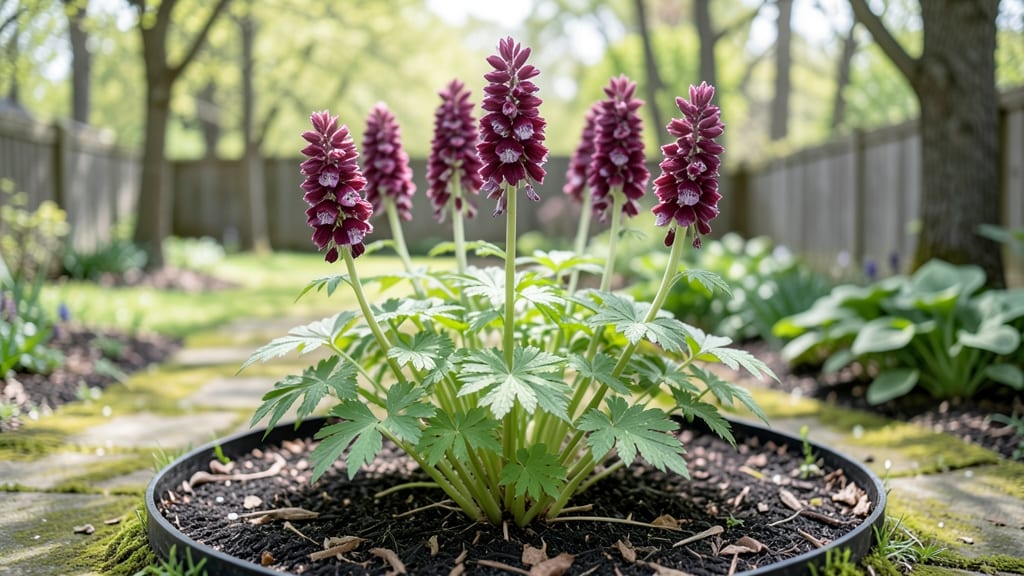
Growing a peacock flower bush (Caesalpinia pulcherrima) turns your yard into a tropical paradise with its fiery red-orange blooms and lush green foliage. 🌺 I’ve watched mine transform from a bare-stemmed sapling into a bold, sun-drenched centerpiece that attracts hummingbirds year-round—even in my Zone 9 garden where summers hit 100°F. The key isn’t just sunlight (though it loves plenty), but understanding its quirks: when to water, how to prune for bushier growth, and the secret to winter survival in cooler climates.
The bush thrives in well-draining soil mixed with compost, but it’s surprisingly adaptable—even tolerating sandy or slightly alkaline conditions if you amend it right.
Plant it where it gets full sun for at least 6 hours daily, and you’ll see those vibrant blooms start appearing in late spring, with sporadic flowers through fall.
Mulch around the base to retain moisture (critical in dry spells) while keeping roots cool, and you’ll avoid the most common mistake: letting the soil dry out completely between waterings.
By mid-summer, your bush will be a hummingbird magnet, with clusters of flowers that last weeks. Prune lightly after blooming to encourage new growth, and watch it fill out—just don’t overdo it, or you’ll sacrifice next year’s flowers.
Propagating from cuttings is easy too: take 4-6 inch tips in spring, root them in perlite, and you’ve got free plants for friends (or your own garden expansion). The best part?
With the right care, this bush keeps its structural interest even when not in bloom, thanks to its striking seed pods and arching branches.
Perfect for warm climates (Zones 9-11), but even in cooler areas, you can grow it in containers and bring it indoors for winter. The trade-off? Less blooming in its first year, but patience pays off—by year two, it becomes a showstopper.
Ready to add a splash of tropical drama to your landscape? Let’s get those roots in the ground.
📚 In This Guide
- What you need
- Instructions
- Tips and common mistakes
- Wrapping up and next steps
What you need
- ● Peacock flower bush (Caesalpinia pulcherrima): 1 nursery-grown plant (3–5 gallons, 2–3 ft tall) or
- ● Seeds (10–20 for sowing, collected fresh or purchased from a reputable supplier)
- ● Well-draining potting mix: 5–10 gallons (for containers) or amended garden soil (sandy loam with compost)
- ● Fertilizer: Balanced granular fertilizer (10-10-10, 1 lb per plant)
- ○ Slow-release organic fertilizer (optional, like composted manure)
- ● Tools: Trowel or small shovel
- ● Garden gloves
- ● Pruning shears (for shaping)
- ● Watering can or hose with a gentle spray nozzle
- ● Mulch (2–3 inches of pine bark or shredded leaves to retain moisture)
- ● Support stakes (if growing in windy areas or training as a small tree)
- ● Epsom salt (1 tbsp/month in water for magnesium boost)
- ● Peat moss or perlite (for improving soil drainage in heavy clay)
- ● Garden twine (for securing young plants)
Step-by-step guide to planting and caring for peacock flower bushes
Here's how to grow these vibrant perennials that thrive in full sun and reward you with bold foliage and striking blooms.
🌱 Step 1: Choose the Perfect Planting Spot
Peacock flower bushes love full sun—at least 6-8 hours daily—so pick a location that gets plenty of direct sunlight. I always check the site in late afternoon when shadows are longest to ensure it meets this requirement. The soil should drain well because these plants hate soggy roots.
If your soil is heavy clay, mix in 2-3 inches of compost to improve drainage before planting. These bushes grow 3-5 feet tall and wide, so space them 4-6 feet apart to give them room to spread. I like to plant mine near patios or walkways where the colorful foliage can be enjoyed up close.
🪴 Step 2: Plant at the Right Time and Depth
Spring or early fall is ideal for planting peacock flower bushes. Dig a hole twice as wide as the root ball but only as deep—planting too deep can suffocate the roots. Gently remove the plant from its container and loosen any circling roots with your fingers.
Place the bush in the hole and backfill with soil, pressing lightly to remove air pockets. Water deeply right after planting to settle the soil and encourage root growth. You'll know it's watered enough when the soil feels damp 2-3 inches down. Mulch around the base with 2-3 inches of organic mulch to retain moisture and suppress weeds.
☀️ Step 3: Water Consistently During Establishment
Keep the soil evenly moist for the first 4-6 weeks after planting—this helps the roots establish without stress. Water deeply 2-3 times per week, depending on your climate, until the top 2-3 inches of soil feel dry. Avoid wetting the leaves to prevent fungal diseases.
Once established, peacock flower bushes are quite drought-tolerant, but they'll reward you with the most vibrant foliage if you keep the soil consistently moist. You'll notice new growth appearing within 2-3 weeks if the plant is thriving. This is your signal that the roots have taken hold.
✂️ Step 4: Prune for Shape and Encourage New Growth
Prune in late winter or early spring before new growth begins. Cut back the previous year's stems by one-third to encourage fresh, vigorous growth. Remove any dead, diseased, or weak stems completely. I like to shape the bush lightly at this time to maintain its natural form.
Throughout the growing season, you can trim back leggy stems to promote bushier growth. Deadhead spent blooms to encourage more flowers, but don't worry too much about this—even without deadheading, these plants put on a stunning show. Watch for new leaves emerging from the base; this is your cue that the plant is happy and healthy.
🌿 Step 5: Fertilize for Vibrant Foliage and Blooms
Apply a balanced, slow-release fertilizer in early spring as new growth begins. I use a 10-10-10 or 20-20-20 formula at half the recommended strength to avoid overfeeding. Fertilizing too much can lead to excessive leaf growth at the expense of flowers.
In mid-summer, if the foliage looks less vibrant, give the plant a light feeding with a low-nitrogen fertilizer to boost blooms. Water deeply after fertilizing to help the nutrients reach the roots. You'll see the difference in the plant's color and vigor within 2-3 weeks—the leaves will deepen, and the stems will stand taller.
Tips & tricks for perfect peacock flower bush growth
Here's what I've learned after years of growing these stunning perennials—tricks to get the most vibrant foliage and longest blooms.
Sunlight Strategy: Those 6-8 hours of full sun are non-negotiable, but here's the thing: morning sun is gentler than afternoon heat. If you're in a hot climate, position your bush to get afternoon shade during peak summer months. I've seen plants in full afternoon sun wilt dramatically by early afternoon, even when they look perfect in the morning.
Soil Prep Secret: Before planting, I always test my soil's drainage by digging a hole, filling it with water, and timing how long it takes to drain. If it takes more than 30 minutes, you definitely need that 2-3 inches of compost. Pro tip: Mix in a handful of perlite or coarse sand for extra drainage boost in heavy clay soils.
Watering Watch: During the critical 4-6 week establishment period, I set a timer to remind me to water every other day—consistency is key. But here's what nobody tells you: the top 2-3 inches of soil should feel like a wrung-out sponge, not a sopping wet rag. Overwatering is just as harmful as underwatering during this phase.
Pruning Pro Tip: When you're cutting back those stems by one-third in late winter, save those clippings! Dry them out and use them as free mulch around other plants. I've also found that making clean cuts just above a leaf node (where leaves grow) encourages more vigorous regrowth than cutting at awkward angles.
Pro Tips for Peacock Flower Bush
- Here's what I've learned after years of growing these stunning perennials—tricks to get the most vibrant foliage and longest blooms.
- Sunlight Strategy: Those 6-8 hours of full sun are non-negotiable, but here's the thing: morning sun is gentler than afternoon heat.
- Soil Prep Secret: Before planting, I always test my soil's drainage by digging a hole, filling it with water, and timing how long it takes to drain.
Frequently asked questions
Got questions about growing and caring for your peacock flower bush (Caesalpinia pulcherrima)? Here are some of the most common ones—plus quick, expert-friendly answers to help you keep your plant thriving!
How fast does a peacock flower bush grow?
A peacock flower bush grows at a moderate pace, typically adding 12–24 inches per year under ideal conditions. With proper care—full sun, well-draining soil, and regular watering—you’ll see noticeable growth within a few months. In warmer climates, it can even bloom in its first year!
When is the best time to plant a peacock flower bush?
The ideal planting window is in early spring or late fall, when temperatures are mild (60–80°F). Avoid planting during extreme heat or frost, as young plants are sensitive. If you’re in a warm climate, you can plant year-round, but spring ensures the best establishment before summer heat.
How often should I water my peacock flower bush?
Water your bush deeply once a week during the first year to encourage strong root growth. Once established, it’s drought-tolerant—water only when the top 2 inches of soil feel dry. Overwatering can lead to root rot, so prioritize well-draining soil and avoid soggy conditions.
What pests or diseases should I watch for?
Peacock flower bushes are generally low-maintenance, but keep an eye out for:
- Aphids (sap-sucking pests) – Spray with water or use insecticidal soap.
- Spider mites (in dry conditions) – Increase humidity or treat with neem oil.
- Fungal issues (like powdery mildew) – Improve airflow and avoid overhead watering.
Most problems are preventable with proper spacing and sunlight!
Can I grow a peacock flower bush in a container?
Yes! While they thrive in the ground, they adapt well to large containers (at least 18–24 inches wide). Use a fast-draining potting mix and ensure the pot has drainage holes. Repot every 2–3 years to refresh the soil, and move containers indoors (or to a sheltered spot) if temperatures drop below 40°F.
Why aren’t my peacock flowers blooming?
Blooms may skip a year if your bush is too young, underfed, or stressed. Check these fixes:
- Ensure it gets 6+ hours of direct sun daily.
- Fertilize in early spring with a balanced, low-nitrogen formula.
- Prune lightly after blooming to encourage new growth.
- Be patient—some bushes bloom seasonally (spring/fall), while others flower year-round in warm climates.
If issues persist, check for overwatering or poor drainage.
Wrapping up and next steps
The peacock flower bush is a showstopper for any garden, offering vibrant blooms and easy-care charm that keeps your outdoor space lively year-round. Whether you’re a seasoned gardener or just starting, this resilient perennial delivers beauty with minimal fuss—just give it sunlight, well-drained soil, and a little love. 🌸
Ready to transform your landscape? Grab your gloves, pick a sunny spot, and start planting! For extra flair, pair it with complementary perennials or add mulch to keep it thriving. Happy gardening—your future blooms will thank you! 🌿