
Pruning
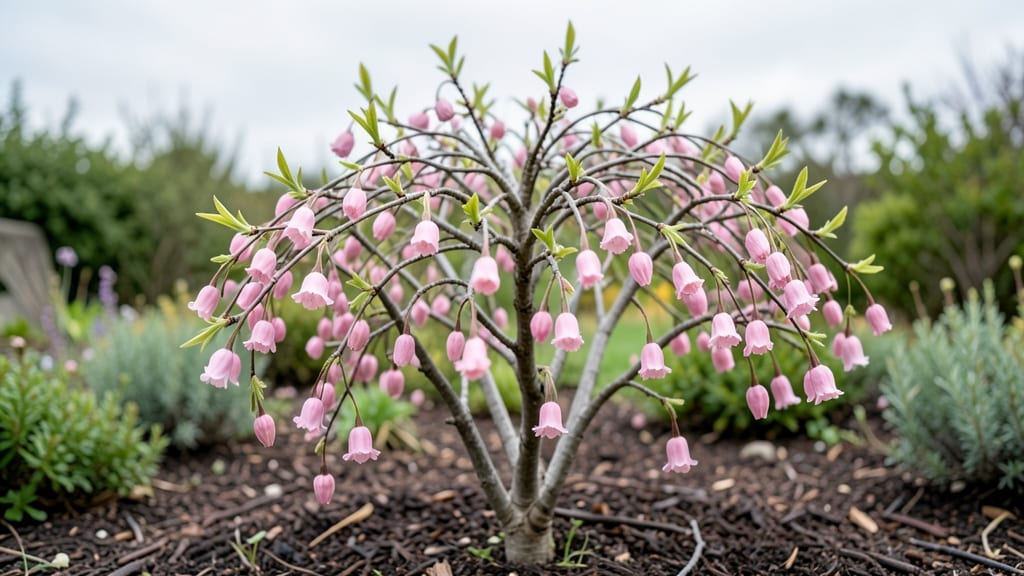
Your pink almond bush could be covered in vibrant spring blooms by next year—if you prune it the right way. ✂️ The secret isn’t just cutting branches; it’s strategic deadheading that keeps the plant focused on producing flowers instead of seeds.
I’ve revived multiple bushes that were nearly bare by mastering this technique, and you can too.
Start with sharp pruners and a sunny morning—this is when the plant is most active. Remove spent blossoms right down to the first set of healthy leaves, but never cut into old wood. For container-grown bushes, prune more aggressively in early spring to encourage bushier growth.
The key is timing: do most pruning right after blooming, but avoid heavy cuts in late summer when new growth needs time to harden off.
What you’ll end up with is a bush bursting with pink flower clusters that last weeks longer than unpruned plants. The foliage stays denser, too, so you get double the ornamental value.
Even if you’ve avoided pruning before, this method is forgiving—just follow the "one-third rule" (never remove more than a third of the plant at once).
Bonus: The same pruning techniques work for both Prunus amygdalus (true almond relatives) and Cercis canadensis (pink flowering dogwood). For container cultivation, use well-draining soil and prune slightly earlier to compensate for root restrictions.
Your neighbors will wonder how you got such a showy bush—while you’ll know the secret’s in the cuts.
📚 In This Guide
- What you need
- Instructions
- Tips and common mistakes
- Wrapping up and next steps
What you need
- ● Pruning shears: Bypass pruners (sharp, clean, and sterilized with rubbing alcohol to prevent disease). Size: 6-8 inches for precision.
- ● Loppers: For thicker branches (1-2 inches in diameter). Quantity: 1 pair (ergonomic grip recommended).
- ● Hand pruners: For small twigs and deadheading. Quantity: 1 pair (bypass or anvil type).
- ● Gloves: Heavy-duty gardening gloves (cut-resistant for protection). Quantity: 1 pair.
- ● Disinfectant: 70% isopropyl alcohol or bleach solution (1 part bleach to 9 parts water) for sterilizing tools.
- ○ Pruning sealant: Optional but helpful for larger cuts (e.g., Tanglefoot Tree Wound Pruning Seal).
- ● Trash bag or bucket: For collecting pruned branches and debris. Size: 1-2 gallons.
- ● Ladder (if needed): Sturdy, extendable ladder for reaching higher branches. Height: 6-12 feet (depending on bush size).
- ● Rake: For clearing fallen leaves/debris post-pruning.
- ● Hose with nozzle: To clean tools and rinse off sap/resin.
- ● Pruning saw: For very thick branches (if your bush has woody growth).
- ● Notebook & pen: To jot down pruning notes (e.g., branch locations, growth patterns).
- ● Safety glasses: Protect your eyes from debris (especially when using a saw).
How to prune a pink almond bush for maximum blooms
Here's the method I've used to revive my pink almond bushes year after year—focused on timing and technique.
✂️ Step 1: Identify and Remove Spent Blooms
Start by scanning the bush for faded blooms—look for flowers that have turned brown or lost their vibrant pink color. These spent blooms signal the plant to redirect energy toward seed production instead of new growth. I use sharp pruning shears to make clean cuts just above the first set of healthy leaves below each bloom cluster.
This isn't just about aesthetics; it's about encouraging the bush to produce more flowers. The key is to cut at a slight angle, about ¼ inch above the leaf node, to prevent water from pooling and causing rot. Work your way through the entire bush, removing every faded bloom you find.
✂️ Step 2: Thin Out Overcrowded Branches
Next, focus on the structure of the bush. Pink almond bushes can become dense over time, which reduces airflow and increases the risk of fungal diseases. Look for branches that are rubbing against each other or growing inward. These are the ones to remove entirely at their base.
I aim to create an open, vase-like shape that allows sunlight to penetrate to the center of the bush. This not only improves bloom production but also makes future pruning easier. For thicker branches, use loppers to make clean cuts just outside the branch collar—the swollen area where the branch meets the trunk.
✂️ Step 3: Prune for Shape and Airflow
Now it's time to shape the bush. Start by removing any dead, diseased, or crossing branches. These are easy to spot—they'll be brown, brittle, or growing in a way that disrupts the natural form of the bush. Cut these back to healthy growth or to the main trunk if they're completely dead.
For shaping, I focus on maintaining a balanced, rounded form. Make your cuts just above a leaf node or bud that's growing outward. This encourages the bush to fill out naturally. Avoid cutting into old wood—pink almond bushes bloom on new growth, so you want to preserve as much of the current season's growth as possible.
⏰ Step 4: Time Your Pruning for Best Results
Timing is everything when it comes to pruning pink almond bushes. The best time to prune is right after the first flush of blooms has faded but before new growth begins in earnest. This is typically in early to mid-spring, just as the bush finishes its initial flowering cycle.
If you prune too early, you risk cutting off potential blooms. If you wait too long, you'll be pruning into old wood, which may not produce as many flowers. Watch for new leaf buds to form—they'll appear as small, green swellings along the branches. Once you see these, it's time to start pruning.
💧 Step 5: Post-Pruning Care
After you've finished pruning, give the bush a thorough watering to help it recover. Focus on the root zone, watering deeply to encourage root growth. Avoid getting water on the freshly cut surfaces, as this can increase the risk of disease.
Apply a balanced, slow-release fertilizer to provide the nutrients needed for new growth. I like to use a 10-10-10 formula, following the package instructions for application rates. This gives the bush the energy it needs to produce a second flush of blooms later in the season.
Tips & tricks for perfect pink almond bush pruning
Let me share the hard-won lessons that'll help you transform your pink almond bush into a blooming powerhouse every season.
Tool Selection: Invest in a pair of bypass pruning shears for clean cuts—avoid anvil shears that crush stems. For branches thicker than ½ inch, use loppers with a 6-inch cutting capacity. I've ruined too many cuts with dull tools, so sharpen your blades annually or after heavy use. A clean cut heals faster and reduces disease risk.
Seasonal Timing: The early to mid-spring window is non-negotiable for pink almond bushes. Look for those tiny green buds forming along the branches—this is your cue. I've learned the hard way that pruning too early removes potential blooms, while waiting too long means cutting into old wood that won't produce new flowers. Mark your calendar when you see the first flush of pink blooms fade.
Visual Pruning Cues: When shaping in Step 3, imagine the bush as a vase—open at the top, narrower at the base. Remove any branches growing toward the center that would block sunlight. For the ¼-inch cut angle mentioned in Step 1, visualize slicing the top of a slice of pizza—this prevents water from collecting on the cut surface. The goal is to create an airy structure that encourages more blooms.
Post-Pruning Recovery: After finishing, give your bush a deep watering focused on the root zone—not the foliage. I use a soaker hose for 20 minutes to ensure thorough hydration without wetting the cuts. The 10-10-10 fertilizer application is crucial here: spread it evenly over the root area, then water again to activate the granules. This nutrient boost jumpstarts the bush's recovery and sets up for that second flush of blooms.
Pro Tips for Pink Almond Bush
- Let me share the hard-won lessons that'll help you transform your pink almond bush into a blooming powerhouse every season.
- Tool Selection: Invest in a pair of bypass pruning shears for clean cuts—avoid anvil shears that crush stems.
- Seasonal Timing: The early to mid-spring window is non-negotiable for pink almond bushes.
Frequently asked questions
Got questions about pruning your pink almond bush (Prunus amygdalus 'Pink Perfection')? You’re not alone!
Here are some of the most common queries—plus clear, actionable answers to keep your bush blooming beautifully.
When is the best time to prune my pink almond bush?
Prune your pink almond bush right after flowering (late spring) to encourage new growth and next year’s blooms. Avoid heavy pruning in fall or winter, as it can stress the plant. Light shaping can happen in early spring, but skip major cuts—this tree blooms on old wood, so pruning too late risks losing flowers!
How much should I cut back? Can I prune it too aggressively?
Remove no more than 25% of the bush’s total growth per year to avoid shock. Focus on:
- Dead, diseased, or crossing branches ()
- Overcrowded stems to improve airflow
- Suckers or water sprouts at the base
Why aren’t my pink almond blooms coming back after pruning?
Blooms may dwindle if:
- You pruned too late (after June), cutting back flower buds.
- The bush lacks sunlight (6+ hours/day is ideal).
- It’s overwatered or underwatered ( Check soil moisture—drought stress reduces blooms).
Can I grow pink almond bush in containers? What’s the best pruning approach?
Yes! Choose a large container (20+ gallons) with drainage holes. Prune container-grown bushes more aggressively (up to 30% of growth) to control size, but still avoid cutting old wood. Use sterilized shears and repot every 2–3 years to refresh soil—root-bound stress can reduce blooms.
Will pruning affect my pink almond bush’s almond production?
Pink almond bushes are primarily ornamental, but if yours bears nuts, pruning won’t hurt production—just focus on:
- Avoiding cuts near fruit-bearing branches.
- Thinning dense areas to let light reach nut clusters.
Wrapping up and next steps
Pruning your pink almond bush isn’t just about keeping it tidy—it’s the secret to unlocking vibrant blooms and a healthier plant! By mastering deadheading and strategic cuts, you’ll encourage lush growth and stunning flowers year after year. 🌸✂️
Ready to give your bush the TLC it deserves? Grab your pruners and start small—even a few well-placed snips can make a big difference. Your garden (and future floral displays) will thank you! 🌿
Next step: Mark your calendar for seasonal pruning sessions and watch your pink almond bush thrive!