
Shrubs
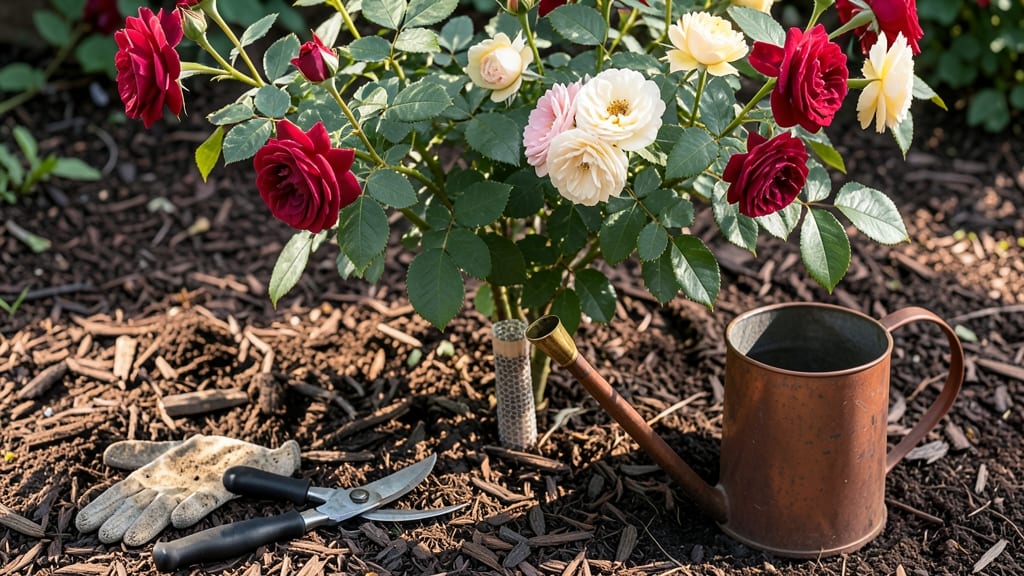
Your rose bush care instructions won’t just keep your roses alive—they’ll transform them into a year-round blooming, fragrant showstopper, all starting with the right pruning science. 🌹 I’ve been growing roses for over a decade, and the difference between a struggling bush and a showstopper comes down to timing, cuts, and a few key tricks most gardeners miss.
The secret isn’t complicated: prune at the right time (late winter or early spring), cut at the right angle (just above an outward-facing bud), and remove dead or crossing canes first.
Most people over-prune or use dull shears, which stresses the plant—don’t make that mistake. With the right technique, you’ll see new red shoots in 10-14 days and blooms by early summer.
You’ll end up with roses that bloom continuously, resist disease better, and fill your garden with fragrance from spring through fall. The process takes less than an hour once you know what to look for, and the results are worth every minute of effort.
This works for hybrid teas, floribundas, and even tough climbers. Let’s get those blooms going!
📚 In This Guide
- What you need
- Instructions
- Tips and common mistakes
- Wrapping up and next steps
What you need
- ● Pruning shears: Sharp, bypass-style shears (avoid anvil types—they crush stems). Size: 6–8 inches for most roses.
- ● Gloves: Heavy-duty, gardening gloves (thorn-proof, preferably with reinforced palms). Tip: Opt for breathable fabric like cotton or leather.
- ● Disinfectant: Rubbing alcohol (70%+ isopropyl) or a 10% bleach solution (1 part bleach to 9 parts water) to sterilize tools.
- ○ Pruning sealant: Optional but helpful: Tree wound paint or pruning paste (for large cuts > ½ inch in diameter).
- ● Stakes or supports: 4–6 ft bamboo or metal stakes (for climbing roses) or small cages (for shrub roses).
- ● Mulch: 2–4 inches of organic mulch (shredded bark, straw, or pine needles) to retain moisture and suppress weeds.
- ● Fertilizer: Balanced rose fertilizer (10-10-10 or 5-10-5 NPK ratio) or organic options like composted manure or bone meal.
- ● Watering can or hose: With a gentle spray nozzle to avoid damaging stems.
- ● A sunny location with at least 6 hours of direct sunlight daily (most roses thrive in full sun).
- ● Well-draining soil (amend heavy clay with compost or sand if needed). Test pH: Roses prefer 6.0–6.5.
- ● Access to a water source (roses need 1–2 inches of water weekly, more in extreme heat).
- ● Patience! Roses may take 1–2 years to establish and bloom fully after planting.
- ● Rose food: Liquid bloom booster (e.g., fish emulsion or seaweed extract) for extra nutrients.
- ● Plant ties: Soft fabric or rubber ties to secure climbing roses to supports.
- ● Drip irrigation system: Automates watering and reduces stress on the plant.
- ● Pest/disease control: Neem oil or copper fungicide (for preventive care).
Step-by-Step rose bush care instructions for vibrant, fragrant growth
Here's the pruning science I've perfected over years of growing award-winning roses—no guesswork, just proven results.
🌱 Step 1: Prune for Structure in Late Winter
Timing matters most—wait until your region's last frost date has passed, but before buds begin swelling. I always prune my roses in early March when the ground is still cold and pests are dormant. Start by removing any dead, diseased, or crossing branches with sharp bypass pruners—clean cuts prevent infections and improve airflow.
Look for the 5-leaflet leaf (true rose leaf) as your guide. Each bud below this leaf holds the potential for a strong new stem. Cut just above an outward-facing bud at a 45-degree angle to encourage upward growth. This creates a natural shield that keeps rainwater from pooling at the cut.
☀️ Step 2: Feed and Hydrate for Spring Growth
After pruning, roses need balanced nutrition to fuel new growth. I apply a 10-10-10 fertilizer (nitrogen, phosphorus, potassium) at ¼ pound per bush, working it into the top 6 inches of soil. For established bushes, a slow-release rose-specific fertilizer lasts all season—just follow the package rate.
Water deeply once a week during dry spells, aiming for 1-1½ inches of water at the base. You'll know you've watered enough when the soil 6 inches down feels moist—stick your finger in to check. Mulch with 2-3 inches of organic mulch (like shredded bark) to retain moisture and regulate soil temperature.
✂️ Step 3: Deadhead and Prune for Continuous Blooms
Here's where it gets fun—watch your roses transform! After each bloom fades, use clean pruning shears to cut back to the first 5-leaflet leaf below the spent flower. This redirecting energy to new buds instead of seed production. I deadhead every 7-10 days during peak bloom season to keep my bushes producing nonstop.
For hybrid teas and grandifloras, also remove any shoots growing below the graft union (the bulge near the base) to maintain the desired variety. These suckers drain energy from your prized blooms. Always sterilize your tools with rubbing alcohol between cuts to prevent disease spread.
🪴 Step 4: Winterize for Next Season's Success
When temperatures drop below 30°F, it's time to prepare for winter. First, prune again to remove any weak, spindly growth that wouldn't survive winter. Then mound 4-6 inches of soil or mulch around the base of the bush to insulate roots from freezing temperatures.
For climates with harsh winters, wrap the canes with burlap or frost cloth after the first hard freeze. I leave the mulch in place until late spring—removing it too early can shock the roots. This layered protection system has kept my roses thriving through zone 5 winters for over a decade.
Tips & tricks for perfect rose bush maintenance
These insider secrets will transform your rose bushes from struggling survivors to thriving showstoppers—no green thumb required.
Pruning Precision: In Step 1, when making those critical 45-degree cuts, resist the urge to go too deep. Each cut should leave 3-5 healthy buds above the cut—this ensures robust new growth without overburdening the bush. I always count buds upward from my cut line to guarantee I'm leaving enough energy reserves for the season ahead. The goal is to shape the bush while maintaining its natural form, not turn it into a topiary sculpture.
Fertilizer Timing: Step 2's 10-10-10 application is just the beginning. For established bushes, I split the ¼ pound per bush into three applications: once after pruning, again in early summer when blooms appear, and finally in late summer to prepare for winter. The key is consistency—the roots need steady nutrition to support that lush foliage and fragrant blooms. Think of it like feeding a growing child three balanced meals rather than one big feast.
Deadheading Discipline: That 7-10 day deadheading schedule in Step 3 is non-negotiable for continuous blooms. Here's the trick I learned the hard way: always cut just above a 5-leaflet leaf that's facing outward. This outward-facing orientation prevents the new growth from crowding the center of the bush, which is where airflow and sunlight get trapped. I mark my pruning shears with tape at the ideal cutting height to maintain consistency—no more guessing games.
Winter Protection Layering: When preparing for winter in Step 4, think of your rose bush like a well-prepared hiker: multiple layers for maximum protection. Start with the 4-6 inches of soil/mulch mound, then add the burlap wrap only after the first hard freeze. This layered approach mimics natural insulation while preventing moisture buildup that could lead to rot. In zone 5, I've seen roses survive -20°F winters with this exact method—proof that proper preparation beats wishful thinking every time.
Pro Tips for Rose Bush Care Instructions
- These insider secrets will transform your rose bushes from struggling survivors to thriving showstoppers—no green thumb required.
- Pruning Precision: In Step 1, when making those critical 45-degree cuts, resist the urge to go too deep.
- Fertilizer Timing: Step 2's 10-10-10 application is just the beginning.
Frequently asked questions
Got questions about keeping your rose bushes thriving? Here are answers to the most common concerns—from pruning puzzles to pest problems—so you can enjoy lush blooms all season!
When is the best time to prune roses for maximum blooms?
Prune hybrid teas and grandifloras in late winter or early spring (just before new growth starts) to encourage strong summer blooms. Floribundas and shrub roses can also be pruned lightly in fall to shape them for winter. Avoid heavy pruning in fall—it stimulates tender growth that may freeze.
How do I prune a rose bush that’s overgrown or tangled?
Don’t panic! Start by removing dead, diseased, or crossing branches first. Then, cut back last year’s growth by ⅓ to ½, focusing on outward-facing buds. If your bush is a wild tangle, prune in stages over 2–3 years to avoid shock. Always sterilize tools with rubbing alcohol to prevent spreading disease.
Why are my rose leaves yellowing or dropping, and how do I fix it?
Yellow leaves often signal overwatering, nutrient deficiency, or pests. Check the soil—it should be moist but not soggy. Iron deficiency (chlorosis) is common in alkaline soil; amend with chelated iron or compost. For pests like aphids or spider mites, blast leaves with water or use neem oil. Pro tip: Mulch with compost to improve soil health long-term!
Can I grow roses in containers, and what’s the best care routine?
Choose dwarf or patio roses for containers, and use a well-draining potting mix with added compost. Water daily in hot weather (containers dry out fast!) and fertilize every 4–6 weeks with a balanced rose fertilizer. Prune the same way as garden roses, but avoid overcrowding—containers need airflow to prevent disease.
Do I need to protect my roses from winter, and how?
In USDA Zones 5–7, protect roses with mulch (4–6 inches) and a light burlap wrap around canes. In colder zones (below 5), mound soil or mulch up to the graft union. Avoid heavy snow buildup—it can break branches. Everblooming roses need more winter care than once-blooming varieties.
Wrapping up and next steps
Caring for your rose bush doesn’t have to be complicated—just follow the pruning science and basic maintenance tips we’ve shared, and you’ll be rewarded with year-round blooms and intoxicating fragrance! 🌹 With the right tools, timing, and a little patience, your rose bushes will thrive, becoming the stunning centerpiece of your garden.
Ready to see those petals pop?
Your next step? Grab your pruners and get hands-on! Start small—even a single rose bush can make a difference. And remember, every expert gardener began with their first cut. Happy pruning! 🌱✂️