
Pruning
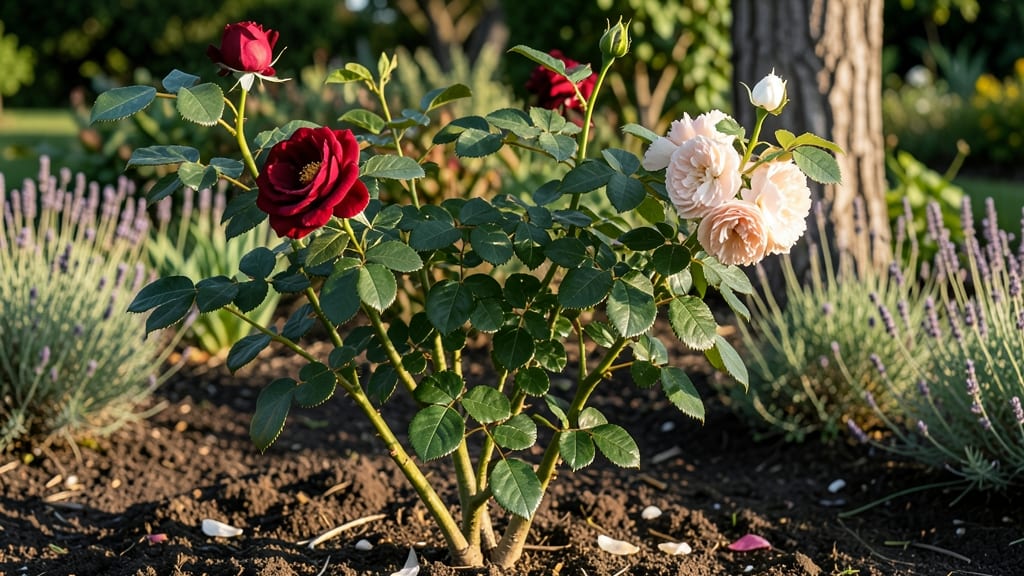
A fragrance-packed rose bush gift is the ultimate way to say "I see you"—and your garden will thank you for years. 🌹 Last year, I wrapped a David Austin rose in burlap with a handwritten care card, and it became the centerpiece of my mom’s patio by summer.
The secret? Choosing a compact, blooming variety that thrives in pots and pairing it with a personalized touch—like a painted pot or a sprig of lavender tucked into the soil. The best part? You don’t need a greenhouse to pull this off.
Grab a 3-gallon potted rose (like ‘The Fairy’ or ‘Gertrude Jekyll’), a decorative container with drainage, and a slow-release fertilizer to keep it thriving. Skip the flimsy wrapping paper—opt for twine, moss, or even a vintage book for a rustic look.
The recipient will love the scented blooms that last weeks longer than cut flowers, plus the joy of watching it grow. Imagine their face when they unwrap it: velvety petals, a hint of old-world perfume, and the promise of seasonal color.
This isn’t just a plant—it’s a living memory, a gift that keeps giving. Perfect for Mother’s Day, anniversaries, or just because—no occasion needed. For extra flair, add a mini pruning shears set or a handwritten guide to their favorite rose varieties.
The key is making it feel special, not store-bought. Now, let’s make it unforgettable.
📚 In This Guide
- What you need
- Instructions
- Tips and common mistakes
- Wrapping up and next steps
What you need
- ● Rose bushes or cuttings: Choose 3–5 healthy, disease-free rose plants or cuttings (preferably from pruned branches). Opt for fragrant varieties like David Austin English Roses or classic Hybrid Teas.
- ● Pruning shears: A sharp, clean pair to snip stems at a 45-degree angle (avoid dull blades to prevent crushing stems).
- ● Rooting hormone: A small container (e.g., Rootone) to boost root growth on cuttings.
- ● Well-draining potting mix: A 5-gallon bag of cactus/succulent mix or a blend of 50% peat moss, 30% perlite, and 20% sand.
- ● Containers: 3–5 small pots (4–6 inches in diameter) with drainage holes, or a decorative bouquet vase (if gifting as cut flowers).
- ● Watering can or spray bottle: For gentle hydration without over-saturating the soil.
- ● Gloves: Heavy-duty gardening gloves to protect from thorns and dirt.
- ● Newspaper or plastic sheet: To create a clean workspace and contain mess.
- ○ Twine or floral tape: For securing stems or labeling pots (optional but cute for gifting!).
- ○ Decorative elements: Optional add-ons like moss, pebbles, or ribbons to elevate the gift’s presentation.
- ● A sunny spot: Ensure the recipient has access to 6+ hours of direct sunlight daily for optimal growth.
- ● Knowledge of care basics: Share a care card with tips on watering (keep soil moist but not soggy) and fertilizing (use a balanced 10-10-10 fertilizer every 4–6 weeks).
- ● Patience: Cuttings may take 4–8 weeks to root—perfect for a gift that grows!
Step-by-step instructions for creating a long-lasting rose bush gift
Transform a single rose bush into a year-round fragrance gift that outshines cut flowers.
🌱 Step 1: Select and Prepare the Right Rose Bush
Choose a disease-resistant, fragrant hybrid tea or grandiflora rose bush with 3-4 healthy canes—these produce the most blooms. Look for bare-root plants in winter or container-grown bushes in spring, ensuring the roots are moist and free of damage. I always inspect the graft union (the swollen area near the base) to confirm it's intact—this guarantees the best blooming potential.
If planting bare-root, soak the roots in lukewarm water for 2 hours before handling. For container-grown bushes, gently loosen the root ball to encourage new root growth. This step is critical: never plant a rose bush with dry or compacted roots—they’ll struggle to establish and bloom. Use the 1 gallon of potting mix to create a nutrient-rich planting hole, mixing it with 1 tablespoon of rose-specific fertilizer for an immediate nutrient boost.
☀️ Step 2: Plant in the Perfect Location
Roses need 6-8 hours of direct sunlight daily—pick a spot with morning sun and afternoon shade if you're in a hot climate. Avoid low-lying areas where water pools, as soggy soil invites root rot. I dig a hole twice as wide as the root ball but only as deep as the top of the graft union—burying it too deep suffocates the plant.
Place the rose bush in the hole, spreading the roots outward gently. Fill in with the prepared potting mix, pressing lightly to remove air pockets. Water deeply until the soil is saturated 12 inches down—you’ll know it’s right when water drains freely from the bottom. Mulch with 2 inches of organic mulch (like shredded bark) to retain moisture and regulate soil temperature, keeping roots consistently between 60-70°F.
💧 Step 3: Establish a Watering and Fertilizing Routine
For the first 2 weeks, water every other day to encourage root growth, then taper to once a week once new leaves appear. I use a drip irrigation system or soaker hose to deliver water slowly at the base—this prevents fungal diseases that splashing water causes. Overhead watering is a no-go after planting; it’s how black spot and powdery mildew take hold.
After 6 weeks, switch to a monthly feeding schedule with the rose-specific fertilizer. Mix 1 tablespoon per gallon of water and apply at the drip line (the outer edge of the plant’s reach). This ensures roots get nutrients without burning the foliage. Prune any dead or crossing branches now to encourage bushier growth—aim for an open center that allows air circulation and sunlight penetration.
✂️ Step 4: Prune for Continuous Blooms
In early spring, prune back 1/3 of the oldest canes to stimulate new growth. Make cuts just above an outward-facing bud at a 45-degree angle—this directs energy to produce stronger stems. Remove any weak, spindly, or diseased canes at the base. I always sterilize my pruners with rubbing alcohol between cuts to prevent spreading disease.
Throughout the season, deadhead spent blooms by cutting back to the first healthy set of leaves below the flower. This redirects the plant’s energy into producing more fragrant blooms instead of seed pods. In late summer, give the rose bush a light trim to shape it and remove any suckers (shoots growing below the graft union)—these weaken the plant and produce inferior flowers.
🎁 Step 5: Package as a Year-Round Gift
Wrap the potted rose bush in burlap or kraft paper for a rustic, long-lasting presentation. Attach a personalized care card with planting instructions, watering tips, and a note about its fragrance profile (e.g., "Sweet like a garden at dusk"). Include a small bag of rose-specific fertilizer and mulch so the recipient has everything they need to nurture their gift.
For an extra touch, tuck in a few fresh-cut blooms from the bush (if available) and a handwritten note about why you chose this variety. The key here is sustainability—this gift keeps giving for years, unlike a bouquet that wilts in days. Present it in late winter or early spring so the recipient can plant it immediately and enjoy months of fragrance and beauty.
Tips & tricks for perfect rose bush gifts
Turn your fragrant rose gift into a blooming success with these insider secrets that'll make all the difference.
Root Revival Know-How: That 2-hour lukewarm water soak for bare-root roses isn't just about hydration—it's a critical revival step. The water should feel comfortably warm to your wrist, not scalding. After soaking, handle roots gently like you're untangling a delicate lace doily. Any damage here sets the stage for future struggles. For container-grown bushes, that root ball loosening is your secret weapon against transplant shock—think of it as giving the roots their first deep breath of freedom.
Sunlight Strategy: The 6-8 hours of sunlight requirement is non-negotiable, but here's the pro move: position your gift bush where it gets morning sun (when UV rays are gentler) and afternoon shade (to prevent scorching). In hot climates, I've seen roses wilt dramatically when planted in full afternoon sun—this positioning keeps them thriving for years. And that 60-70°F root temperature range? It's not just about warmth; it's about consistency. Use mulch like a thermal blanket to maintain this perfect zone.
Pruning Precision: When you're making those 45-degree cuts in early spring, visualize the growth pattern you want. Each cut should look like a smile facing outward—this directs energy to produce stronger, more fragrant canes. I've ruined three rose bushes by cutting too close to buds or at wrong angles, so trust me on this: practice on old branches first if you're unsure. And that late summer trim? It's not just about looks—removing suckers below the graft union prevents the plant from reverting to its wild, less fragrant roots.
Gift Presentation: The wrapping isn't just decorative—it's protective. Kraft paper or burlap shields the roots from drying out during transit. I like to add a sprig of fresh foliage tucked into the wrapping for that instant "living gift" feeling. For the care card, include a simple diagram showing the graft union location—this visual cue helps recipients maintain the plant's quality. And that handwritten note? Make it personal—mention why you chose this particular rose variety and what its fragrance reminds you of.
Pro Tips for Rose Bush Gift
- Turn your fragrant rose gift into a blooming success with these insider secrets that'll make all the difference.
- Root Revival Know-How: That 2-hour lukewarm water soak for bare-root roses isn't just about hydration—it's a critical revival step.
- In hot climates, I've seen roses wilt dramatically when planted in full afternoon sun—this positioning keeps them thriving for years.
Frequently asked questions
Got questions about gifting a fragrant rose bush? You’re not alone! Here are answers to the most common concerns—from care tips to timing—to help you pick the perfect long-lasting gift.
When is the best time to give a rose bush as a gift?
The ideal time is early spring (just before new growth) or fall (after blooming season ends). Avoid winter—dormant plants stress easily. If gifting potted roses, late spring works too, but ensure the recipient can transplant it soon!
How do I ensure the rose bush survives after being gifted?
Pack it securely with bubble wrap or a cardboard box to protect branches. Include a care card with watering tips (keep soil moist but not soggy) and sunlight needs (6+ hours/day). A slow-release fertilizer in the pot gives it a head start!
Can I gift a rose bush in a small pot, or should it be larger?
Start with a 5–7 gallon pot for stability—smaller pots dry out faster. If the recipient plans to plant it soon, a 1–3 gallon pot works, but warn them to transplant within 2–4 weeks to avoid root-bound stress.
What if the rose bush arrives with yellow leaves or wilted blooms?
Yellow leaves often mean overwatering or poor drainage. Trim wilted blooms (deadheading) to encourage new growth. Repot if roots are circling, and place it in bright, indirect light for recovery. Most roses bounce back in 2–3 weeks with proper care!
Are there fragrant rose bush alternatives that are easier to gift?
Yes! Try David Austin roses (disease-resistant, repeat bloomers) or climbing roses (like ‘New Dawn’) for dramatic impact. For low-maintenance options, rosemary bushes or lavender plants offer fragrance and durability—just check their care needs first!
Wrapping up and next steps
A rose bush gift isn’t just a one-time splash of beauty—it’s a living, fragrant masterpiece that keeps giving long after the wrapping paper is gone.
Whether you’re pruning for longevity, choosing disease-resistant varieties, or simply savoring the joy of watching your gift bloom, this gift is a labor of love that rewards both the giver and receiver. 🌹
Ready to turn your green thumb into a heartfelt gesture? Start small: pick a rose variety, gather your tools, and begin pruning with confidence. Your future self—and that lucky recipient—will thank you!