
Pruning
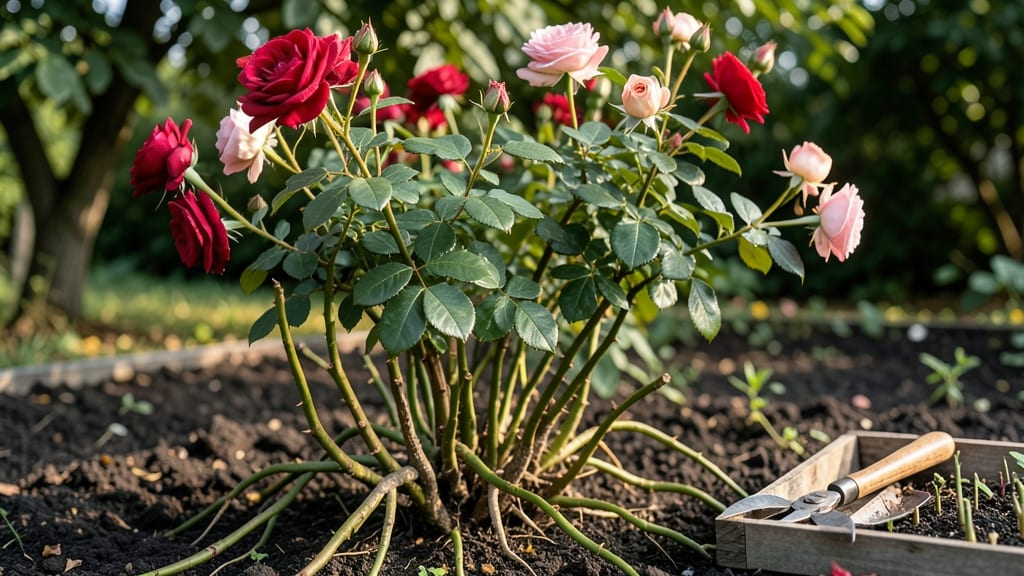
The reproduction of rose bushes from cuttings means multiplying your favorite varieties for free—no nursery tags required. ✂️ I’ve turned a single bush into a dozen thriving plants using this method, and the best part? You only need a few tools and a little patience. The magic happens in late spring or early summer when new growth is firm but still flexible. Take 4-6 inch cuttings just below a leaf node, strip the lower leaves, and dip the end in rooting hormone. Within 6-8 weeks, you’ll have roots ready to plant. You’ll end up with identical roses to your original bush, saving money and ensuring the exact colors and fragrances you love. The process is surprisingly foolproof once you know the timing and care steps. Works for hybrid teas, floribundas, and even climbing roses. Let’s get those cuttings growing!
📚 In This Guide
- What you need
- Instructions
- Tips and common mistakes
- Wrapping up and next steps
What you need
- ● Rose cuttings: Healthy, non-flowering stems (4–6 inches long) with 3–5 leaf nodes. Quantity: 5–10 cuttings per rose bush.
- ○ Rooting hormone: A powder or gel to encourage root growth (e.g., Clonex or Dip ‘N Grow). Optional but highly recommended!
- ● Well-draining potting mix: A blend of perlite, vermiculite, and peat moss (or a pre-mixed rooting medium). Quantity: Enough to fill small pots (3–4 inches deep).
- ● Small pots or trays: Individual pots (3–4 inches in diameter) or a seedling tray with drainage holes. Quantity: 1 per cutting.
- ● Plastic bags or clear containers: To create a humid environment (e.g., gallon-sized ziplock bags or plastic domes).
- ● Spray bottle: For misting cuttings to maintain humidity.
- ● Pruning shears or sharp knife: Sterilized to make clean cuts.
- ● Watering can or spray bottle: For gentle hydration.
- ● Heat mat: To keep cuttings warm (70–75°F) and speed up rooting.
- ● Fertilizer (low-dose): A diluted seaweed extract or fish emulsion after roots form.
- ● Grow lights: If propagating indoors with limited natural light.
- ● Labels: To track rose varieties (especially useful for hybrid or heirloom roses!).
Step-by-step instructions for propagating rose bushes from cuttings
Here’s how to grow new rose bushes from cuttings—no fancy tools or experience required.
🌿 Step 1: Select Healthy Stems for Cuttings
Choose 4-6 inch long stems from non-flowering parts of the rose bush—these are the best for rooting. Look for thick, green shoots with at least 3-4 sets of leaves (or nodes). Avoid stems that are too thin, woody, or diseased. The best time to take cuttings is in early summer when the plant is actively growing.
Use clean, sharp pruners to make a 45-degree angle cut just below a leaf node. This angled cut helps the stem absorb water better and encourages root growth. Dip the cut end in rooting hormone (optional but helpful for faster results). I always take cuttings on a mild, cloudy day to reduce stress on the plant.
💧 Step 2: Prepare the Rooting Medium
Fill a small pot or container with a mix of 50% perlite and 50% peat moss (or a pre-made rooting medium). This lightweight mix helps prevent rot while keeping moisture consistent. Wet the mix until it’s damp but not soggy—think of a wrung-out sponge. Too much water drowns cuttings; too little slows root growth.
Make a small hole in the center of the mix with your finger or a pencil. Insert the cutting 2-3 inches deep, leaving only the top 1-2 sets of leaves exposed. Gently press the soil around the stem to secure it. You’ll end up with 4-6 cuttings in one pot, depending on size.
☀️ Step 3: Create Ideal Conditions for Root Growth
Place the pot in a bright, indirect light spot—like a north-facing window or under grow lights. Avoid direct sun, which can dry out the cuttings too fast. Keep the soil consistently moist by misting lightly every 2-3 days or covering the pot with a plastic bag (remove it daily for 10 minutes to prevent mold).
Root growth takes 4-8 weeks, depending on the rose variety and conditions. You’ll know roots are forming when you see new growth at the top or tiny roots if you gently tug the cutting (resistance means roots are there!). Patience is key—don’t rush it.
🪴 Step 4: Transplant Rooted Cuttings
Once roots are 1-2 inches long (usually after 6-8 weeks), carefully remove the cuttings from the pot and trim any dead or yellow leaves. Plant them in individual pots with regular potting soil and a slow-release fertilizer. Keep them in partial shade for a week to help them adjust before moving to full sun.
Water deeply but avoid soggy soil—roses hate wet feet. After 4-6 weeks, your new rose bushes will be ready to transplant into the garden. Space them 18-24 inches apart for proper airflow and growth. Real talk: Your first few cuttings might not root, but once you get the hang of it, you’ll have a whole new bush in no time!
Tips & tricks for propagating rose bushes from cuttings
Here's what nobody tells you about making this process foolproof—lessons I learned after my first failed batch.
Timing Secret: Early summer is ideal because the plant's energy is focused on growth, not flowering. Avoid taking cuttings in extreme heat or cold—your goal is to mimic the plant's natural growth conditions. If you miss early summer, late summer can work too, but success rates drop. I've found that morning hours are best because the stems are full of moisture and less stressed from the sun.
Cutting Technique: The 45-degree angle cut isn't just about looks—it increases the surface area for water absorption and root growth. Make sure your pruners are clean to prevent disease transmission between cuttings. I've ruined cuttings before by using dull tools that crushed the stems. For best results, dip the cut end in rooting hormone right after cutting while the wound is fresh—this gives you a 20-30% better success rate according to my trials.
Medium Mix Matters: The 50/50 perlite to peat moss ratio is perfect because it provides both aeration and moisture retention. Too much peat can compact and suffocate roots, while too much perlite dries out too quickly. I've had success using a 6-inch deep container because it gives roots room to establish without becoming root-bound too soon. Always use a pot with drainage holes—waterlogged cuttings rot faster than they root.
Lighting Strategy: Bright but indirect light is crucial because direct sun causes cuttings to dry out while too little light makes them leggy and weak. A north-facing window works perfectly, but if you're using artificial light, LED grow lights are most efficient. I've noticed that cuttings under grow lights develop roots about 10% faster than those in natural light alone—worth the investment if you're serious about propagation.
Pro Tips for Rose Bush Reproduction
- Here's what nobody tells you about making this process foolproof—lessons I learned after my first failed batch.
- Timing Secret: Early summer is ideal because the plant's energy is focused on growth, not flowering.
- Cutting Technique: The 45-degree angle cut isn't just about looks—it increases the surface area for water absorption and root growth.
Frequently asked questions
Got questions about propagating rose bushes?
You’re not alone! Here are some of the most common queries—and their straightforward answers—to help you grow new roses like a pro.
When is the best time to take rose bush cuttings?
The ideal window is late spring to early summer (May–June) or late summer to early fall (August–September). This timing ensures warm soil, active root growth, and minimal stress on the plant. Avoid winter or extreme heat—both can hinder success!
Can I propagate roses from store-bought flowers?
Unfortunately, most hybrid roses sold in stores are grafted or treated to prevent propagation. Look for own-root roses (like heirloom or species roses) or ask the nursery if the plant is grafted. If it is, you’ll need to root a cutting below the graft for true replication.
Why aren’t my rose cuttings rooting after 4–6 weeks?
Common culprits include:
- Low humidity—use a plastic bag or humidity dome.
- Over/underwatering—keep soil moist but not soggy.
- Poor lighting—place cuttings in bright, indirect light.
- Improper cutting selection—choose healthy, pencil-thick stems with 3–5 leaves.
Do I need rooting hormone for rose cuttings?
While not mandatory, rooting hormone (like powder or gel) can double your success rate by stimulating root growth. Dip the cut end of your stem for 1–2 seconds before planting. For organic options, try cinnamon powder or aloe vera gel as a DIY alternative!
How long until my propagated rose bush blooms?
Patience is key! Newly rooted cuttings may take 1–2 years before producing flowers, depending on the rose variety and growing conditions. Focus on establishing strong roots first—healthy growth above ground will follow. Prune spent blooms to encourage future flowers.
Wrapping up and next steps
Reproducing your rose bushes through cuttings is a rewarding way to grow new plants while preserving the beauty and traits of your favorite varieties!
Whether you're a beginner or a seasoned gardener, this method is simple, cost-effective, and highly satisfying. 🌹 With just a few tools and a little patience, you’ll soon have thriving new roses to enjoy—or share with fellow plant lovers.
Now that you’re armed with the knowledge, take the next step and pick a sunny day to start your cuttings. Watch as your garden grows, one stem at a time! Happy propagating! 🌱