
Pests and Diseases
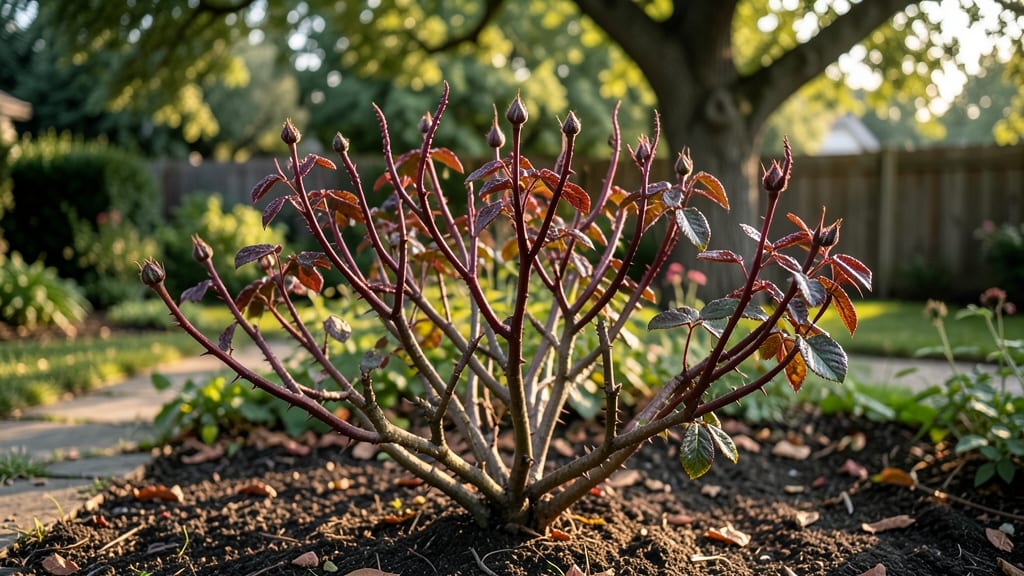
Your rose bush thorn disease might be lurking behind those stunning blooms—a silent killer that weakens stems and steals your flowers. 🌹 I’ve nursed back roses with blackened cankers, powdery white patches, and stunted growth, and the secret lies in early action.
Most gardeners wait too long, thinking it’s just "part of rose care," but it’s not—it’s a fixable problem.
The real culprits are fungal spores hiding in thorns, wet foliage, and poor airflow. Black spot thrives in damp shade, while powdery mildew loves crowded bushes. The good news? Pruning out infected thorns, spacing plants properly, and using neem oil sprays can turn things around in weeks.
I’ve seen roses bounce back with just three targeted treatments and better airflow.
You’ll restore those lush, healthy blooms by focusing on prevention—copper fungicides in spring, mulching to keep soil dry, and removing diseased leaves immediately. The key is consistency; one missed spray won’t cut it. I’ve had roses recover completely after a single season of diligent care, and so can you.
This works for hybrid teas, floribundas, and even old garden roses. The same principles apply whether you’re dealing with a single bush or a full hedge. Let’s get those roses thriving again—no more hiding the thorny truth.
Understanding Thorn Disease Triggers
Thorn-related issues in rose bushes—often tied to infections, pests, or environmental stress—don’t happen by accident. They’re the result of specific conditions that weaken your plant’s defenses or invite harmful invaders.
Below, we break down the key culprits behind thorn-related problems, from fungal infections to physical damage, so you can tackle them head-on.
🍄 Why? Thorns act like tiny needles, creating micro-wounds that trap moisture and debris—perfect breeding grounds for fungi like rose black spot (Diplocarpon rosae) or powdery mildew (Erysiphe spp.).
- Moisture buildup: Thorns pierce leaves or stems, leaving tiny openings where water lingers. Fungal spores splash into these wounds during rain or overhead watering, establishing infections. - Poor airflow: Dense thorns (especially on hybrid teas or floribundas) can create a canopy effect, trapping humidity.
Fungi thrive in these stagnant, damp conditions. - Weakened tissue: Stressed roses (from drought, poor soil, or nutrient deficiencies) produce thinner, more vulnerable thorns, making them easier targets for fungal spores.
Actionable fix: Prune thorns to improve airflow, water at the base (not leaves), and apply copper fungicide preventatively in spring.
🐜 Why? Thorns aren’t just for protection—they’re pest hideouts. Insects like rose slugs (Sawfly larvae), Japanese beetles, or aphids use thorns as shelter, then chew on leaves or inject toxins that trigger secondary infections.
- Rose slugs: These caterpillar-like pests skeletonize leaves, leaving behind a web of silk and frass (poop). Their feeding weakens the plant, making it prone to fungal infections via thorn wounds. - Japanese beetles: Adults strip leaves while their larvae munch on roots.
Thorns provide cover, letting them evade predators and pesticides. - Aphids: These sap-suckers cluster on thorns, excreting honeydew—a sticky residue that fosters sooty mold, a black fungal growth on leaves.
Actionable fix: Handpick pests early, use neem oil (disrupts their life cycle), or introduce beneficial nematodes to target larvae in the soil.
✂️ Why? Aggressive pruning—especially with dull tools—can crush thorns, creating open wounds. These injuries don’t just bleed sap; they invite bacterial infections like rose bacterial canker (Pseudomonas syringae).
- Dull shears: Instead of clean cuts, they tear tissue, leaving jagged edges that heal poorly and trap moisture. - Over-pruning: Removing too many thorns at once stresses the plant, reducing its ability to seal wounds naturally.
Weakened roses are more susceptible to pathogens. - Wrong timing: Pruning in wet conditions (spring rains) or late summer (when new growth is tender) increases infection risk.
Actionable fix: Prune with sterilized, sharp tools in dry weather, and seal cuts with pruning sealant (optional for minor cuts).
🌡️ Why? Extreme heat, cold snaps, or poor soil can stunt thorn development, making them brittle or prone to breaking. Broken thorns = open doors for infections.
- Heat stress: Prolonged drought causes thorns to harden abnormally, making them sharp but more likely to snap during wind or handling.
- Cold damage: Freeze-thaw cycles crack thorn bases, creating entry points for canker bacteria.
- Nutrient deficiencies: Low phosphorus or potassium weakens structural integrity, leading to thorn deformities (e.g., curly or stunted thorns).
Actionable fix: Mulch to regulate soil temp, water deeply 1–2x/week in summer, and fertilize with a balanced rose food (10-10-10) in early spring.
🧴 Why? Fungal spores and bacteria hitchhike on pruners, gloves, or even your hands. If you move from an infected plant to a healthy one, you’re spreading the problem via thorn wounds.
- Cross-contamination: Trimming a diseased bush, then a healthy one, transfers spores to fresh cuts.
- Unsterilized tools: Rusty or dirty pruners harbor bacterial canker or black spot pathogens.
- Dirty hands: Touching thorns after handling infected plants can transfer pathogens to new growth.
Actionable fix: Sterilize tools with rubbing alcohol or a 10% bleach solution between plants. Wear gloves when pruning sick roses.
Thorn-related diseases aren’t random—they’re opportunistic. By addressing moisture, pests, pruning habits, and environmental stress, you can starve out the conditions that let these problems take hold. 🌿✨
(Note: For severe infections, combine prevention with targeted treatments like neem oil or copper fungicide.)
Quick Fixes for Thorny Rose Problems
Thorny, diseased rose bushes can feel like a losing battle—but don’t worry! With the right approach, you can nurse your roses back to health and keep them thriving.
Below are targeted solutions for common causes of rose bush thorn issues (like fungal infections, pests, or environmental stress), along with prevention tips to stop future flare-ups.
Fungal diseases love damp, crowded conditions and often show up as dark spots, white powder, or orange rust on leaves and stems.
🔥 Step-by-Step Treatment
- 🍳 Prune Infected Areas - Use sterilized pruners (wipe with rubbing alcohol between cuts) to remove all infected leaves, stems, and canes—even if they’re just slightly discolored.
Throw them in the trash (not compost!). - Pro Tip: Prune in the morning when humidity is lower to help the plant dry faster.
- 👨🍳 Apply Fungicide - Neem oil (natural, organic) or copper fungicide (chemical) are both effective. Mix according to package instructions and spray both sides of leaves and stems.
Reapply every 7–10 days until the problem clears. - DIY Spray Recipe: Mix 1 tbsp baking soda + 1 tsp dish soap + 1 gallon water (test on a small area first).
- 🥘 Improve Airflow & Light
- Space bushes 3–4 feet apart to reduce humidity buildup.
- Thin out dense canes to let sunlight reach the center.
- Water at the base (not overhead) and water early in the day so foliage dries by night.
- 🔪 Deep-Clean Tools & Soil
- Sterilize pruners and shears after each use.
- Remove mulch 6 inches from the base to prevent soil-borne fungi from splashing onto stems.
Pests weaken roses, making them susceptible to secondary infections. Look for sticky residue (honeydew), tiny webs, or chewed leaves.
💡 Prevention & Treatment
| Pest | Signs | Fix It Fast |
|---|---|---|
| Aphids | Clustered green/black bugs, curled leaves | Blast off with water (strong spray) or apply insecticidal soap. Repeat every 3–5 days. |
| Spider Mites | Yellow stippling, fine webbing | Spray with neem oil or horticultural oil (especially in dry weather). |
| Japanese Beetles | Skeletons of leaves, shiny green beetles | Handpick bugs (drop in soapy water) or use milky spore (organic bacteria) for long-term control. |
🌡️ Pro Tip: Ladybugs and lacewings are natural predators—encourage them by planting dill, fennel, or marigolds nearby!
Even healthy roses can suffer from too much sun, not enough sun, or soggy roots.
✨ Adjust Care Routine
- Sunburnt Leaves? Move roses to partial shade (especially in hot climates) or provide light shade cloth in peak afternoon sun.
- Overwatered Roots? Let soil dry 2 inches deep between waterings.
Improve drainage with compost or sand. - Nutrient Deficiency? Feed with a balanced rose fertilizer (10-10-10) in early spring and summer. Avoid high-nitrogen fertilizers in fall—they encourage weak, disease-prone growth.
- 💡 Choose Disease-Resistant Varieties
- Opt for hybrids like ‘Knock Out’ roses or ‘Dr. Huey’—they’re bred to fight common diseases.
- 🌱 Plant in the Right Spot
- 6+ hours of sun (but avoid harsh afternoon sun in hot zones).
- Well-draining soil (amend clay with compost or sand).
- 🚿 Water Wisely
- Deep watering 1–2 times per week (better than daily shallow watering).
- Avoid wetting leaves—use a soaker hose or drip irrigation.
- 🧹 Clean Up Debris
- Remove fallen leaves and spent blooms regularly to reduce fungal spores.
- Solarize soil in fall (cover with clear plastic for 4–6 weeks) to kill overwintering pests/diseases.
- 🔄 Rotate Treatments
- If you use fungicides/pesticides, switch types seasonally to prevent resistance.
Final Thought: A little prevention + quick action keeps roses lush and thorn-free! Start with pruning and fungicide, then adjust watering and sunlight—your roses will thank you with bold blooms all season. 🌹✨
Frequently asked questions
What are the most common signs of thorn-related rose diseases?
Look for dark spots (black spot), white powdery patches (mildew), or orange rust on leaves and stems near thorns. These often appear after rain or when thorns create micro-wounds. Check for yellowing leaves, stunted growth, or blackened canes—these are clear red flags.
Can I prune thorns to prevent diseases?
Pruning improves airflow and removes hiding spots for pests. Use sterilized shears to cut back 1/3 of the bush in early spring, focusing on dense thorn clusters. Always remove infected stems immediately—never compost them!
How often should I apply fungicide to rose bushes?
For prevention, spray every 2-3 weeks during growing season (spring-fall). If treating an active infection, apply neem oil or copper fungicide weekly until symptoms disappear. Always spray in the early morning for best results.
Are some rose varieties more resistant to thorn diseases?
Yes! Disease-resistant hybrids like 'Knock Out' roses or 'Dr. Huey' have natural defenses. These varieties produce fewer vulnerable thorns and handle humidity better. When selecting new plants, look for labels mentioning disease resistance.
What's the fastest way to stop rose slugs from damaging my bush?
Handpick them early in the morning when they're sluggish, or use insecticidal soap. For long-term control, introduce beneficial nematodes to the soil. These microscopic predators target rose slug larvae before they can cause damage.