
Diseases
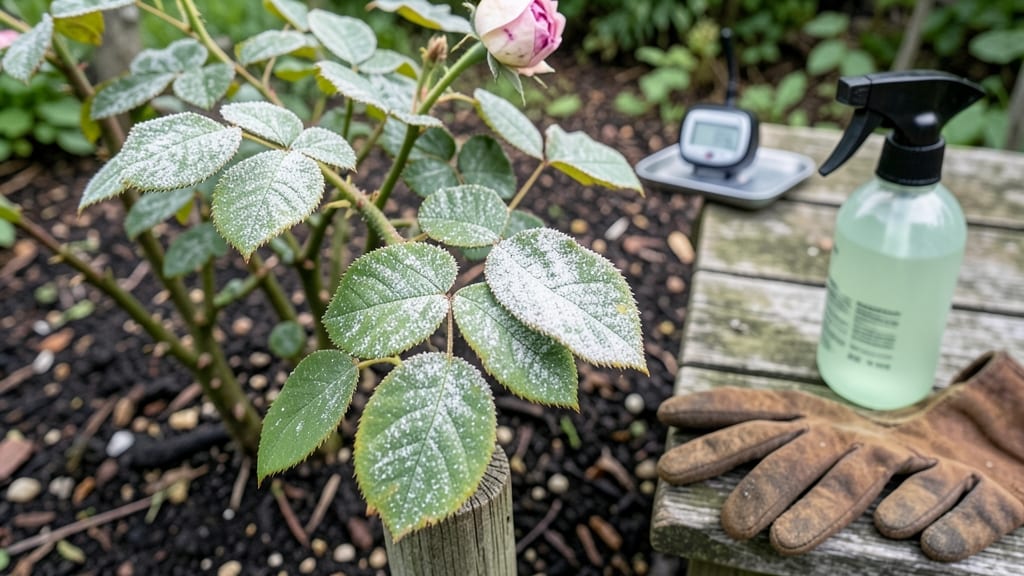
Mildew on rose bush leaves turns vibrant foliage into a sad, dusty mess—white powder or yellow splotches that spread faster than you can say "pruning shears." 🌿 I’ve battled this fungal foe for years, and I’ve cracked the code on how to stop it without harsh chemicals that harm bees and butterflies.
The key is acting fast with three natural steps that actually work.
This isn’t just about spraying something random—it’s about fixing the real problem: too much humidity, poor airflow, or overcrowded bushes.
I’ll show you how to spot the difference between powdery and downy mildew (yes, they’re sneaky), then tackle it with neem oil, sulfur, or even a simple baking soda mix that won’t burn your plants. No more guessing—just results.
By the end, your roses will be back to their glossy, disease-free glory, with fewer spots and stronger growth. The best part? These fixes also keep mildew from creeping back next season.
We’re talking prevention built right into the cure—no more panic when you see the first white speck.
Whether you’re dealing with heirloom roses or tough hybrid teas, this works. Let’s get those leaves clean and your bushes thriving again—without the chemical warfare.
The Hidden Triggers Behind Fungal Spots
Mildew on rose bush leaves isn’t just a random nuisance—it’s a fungal party crashers 🎭, thriving when conditions align just right. Understanding the why behind these spots is your first line of defense. Let’s break down the science so you can spot (and stop) the problem before it spreads.
Fungal spores love humidity—think of them as tiny aquatic adventurers. When leaves stay damp for more than 6–12 hours, spores germinate and penetrate leaf tissue like uninvited guests. Here’s how it plays out:
- Overhead Watering: Splashing water onto foliage (especially in the evening) creates a perfect petri dish on leaves. The fungus Podosphaera pannosa (powdery mildew) or Sphaerotheca pannosa (another culprit) thrives in these conditions.
- Poor Drainage: Compacted soil or clay-heavy gardens trap moisture at the roots, forcing the plant to transpire more—releasing water vapor that lingers on leaves.
- Foggy or Rainy Climates: Roses in zones 5–8 (or humid tropical areas) are at higher risk because fungi spread via windborne spores in damp air.
Actionable Fix: Water at the base of the plant in the morning so leaves dry quickly. Use a soaker hose or drip irrigation to avoid wetting foliage.
Roses with dense, overlapping foliage create a microclimate where air can’t circulate—ideal for fungal growth. Poor airflow traps stagnant, humid air right where spores need it most.
- Thick Canopy: Heavy pruning or unpruned roses develop shady, humid pockets between branches, perfect for spores to colonize.
- Weeds & Debris: Mulch piled too high or dead leaves acting as a fungal spore reservoir can re-infect plants.
- Tight Planting: Roses spaced too closely (less than 3–4 feet apart) compete for airflow, raising humidity levels.
Actionable Fix: Prune roses in early spring to open up the center, and space them properly. Remove weeds and mulch 3–4 inches away from the stem to improve airflow.
Fungal spores hibernate in winter but wake up when temperatures hit their sweet spot: 60–80°F (15–27°C) during the day with cool, humid nights (50–65°F / 10–18°C). This temperature swing triggers rapid spore growth.
- Spring & Fall Transitions: These seasons are peak mildew risk because days warm up while nights stay cool and damp.
- Greenhouse Effect: Dense foliage or plastic mulch can trap heat during the day and retain moisture overnight, extending the fungus’s party time.
Actionable Fix: Monitor your local microclimate—if nights stay damp, prune early to reduce leaf surface area. Use reflective mulch to reduce heat buildup.
Roses that are over-fertilized with nitrogen (especially fast-release types) grow soft, lush leaves that fungi devour like all-you-can-eat buffets. Meanwhile, phosphorus or potassium deficiencies weaken the plant’s cuticle (its natural shield), making it easier for spores to invade.
- Too Much Nitrogen: Leads to rapid, tender growth with thin cell walls—fungi break through like butter.
- Poor Soil Drainage: Roots struggle to absorb nutrients, stressing the plant and reducing its disease resistance.
Actionable Fix: Test your soil and balance fertilizers with a 20-20-20 or 10-10-10 NPK ratio. Add compost or mycorrhizal fungi to boost root health and resilience.
Pro Tip: 💡 Healthy roses resist mildew better! Focus on preventive care—like proper spacing, morning watering, and balanced nutrients—to make your roses fungus-proof before spots even appear.
Quick Fixes for Fungal Spots
Mildew on rose bush leaves isn’t just unsightly—it can weaken your plants if left unchecked. The good news? You can tackle it with simple, natural solutions tailored to the root cause.
Below, we’ve mapped the most common triggers to the best fixes, plus prevention tips to keep your roses thriving. Let’s get those leaves looking fresh again! 🌿💦
If your roses are soggy from excess moisture, the fungus has a perfect breeding ground. Here’s how to dry things out and stop the spread:
🔥 Step 1: Adjust Your Watering Routine
- Water early in the morning (before 10 AM) to allow leaves to dry quickly.
- Avoid overhead watering—use a drip irrigation system or soaker hose to deliver water at the base.
- Check soil moisture before watering: Stick your finger 1–2 inches into the soil. If it’s damp, wait a day or two.
👨🍳 Step 2: Improve Drainage
- Amend heavy or clay soil with compost or perlite to help water drain faster.
- If planting in containers, ensure pots have drainage holes and use a well-draining potting mix.
🌡️ Step 3: Prune for Better Airflow
- Remove crowded or overlapping branches to improve circulation.
- Trim away heavily infected leaves (sterilize pruners with rubbing alcohol between cuts).
✨ Pro Tip:
Mulch around your roses with wood chips or straw (keep it 2–3 inches away from the stem) to retain moisture in the soil without smothering the roots. This balances hydration while reducing fungal risks.
Roses craving sunlight can develop mildew when they’re stuck in the shade. Boost their energy and resilience with these moves:
🌞 Step 1: Relocate or Thin Obstructions
- If possible, move the rose bush to a sunnier spot (at least 6–8 hours of direct sunlight daily).
- Trim back tall trees, fences, or structures casting shade on your roses.
🍳 Step 2: Boost Light with Reflective Surfaces
- Place mirrors or white walls near the bush to bounce extra light onto the leaves.
- Use light-colored mulch (like white gravel) to reflect sunlight onto the base.
🔪 Step 3: Strengthen the Plant
- Feed roses with a balanced fertilizer (10-10-10) in early spring to encourage robust growth.
- Apply compost tea (homemade or store-bought) for a nutrient boost and natural fungal resistance.
💡 Pro Tip:
If relocating isn’t an option, prune strategically to open up the center of the bush, allowing more light to reach inner leaves.
Mildew loves humidity and tight spaces. Break the cycle with these airflow-boosting strategies:
💦 Step 1: Reduce Humidity Around Roses
- Space plants 3–5 feet apart to prevent leaves from touching (a fungus’s dream!).
- Water less frequently but deeply to encourage strong root growth (which helps plants handle humidity better).
👨🌾 Step 2: Use Fungicidal Sprays (Natural Options)
Choose one of these DIY sprays and apply every 7–10 days until the mildew clears:
| Solution | How to Mix | How to Apply |
|---|---|---|
| Baking Soda Spray | 1 tsp baking soda + 1 quart water + 1 tbsp horticultural oil or dish soap | Spray undersides of leaves (where mildew hides) on a calm day. |
| Neem Oil Spray | 1 tbsp neem oil + 1 tsp mild soap + 1 quart water | Apply in the evening to avoid burning leaves. |
| Milk Spray (Lactobacillus) | 1 part milk + 9 parts water | Spray every 3–4 days for prevention. |
⏰ Step 3: Schedule Regular Maintenance
- Prune weekly to remove infected leaves and improve airflow.
- Rake up fallen leaves around the base of the plant (they trap moisture and spores).
🎯 Pro Tip:
For severe cases, combine neem oil + baking soda spray for a 1-2-1 punch. Reapply after rain to maintain protection.
Once your roses are back in shape, lock in their health with these long-term strategies:
- 🌡️ Monitor Weather: Water before rain forecasts to avoid soggy leaves.
- 🌿 Choose Resistant Varieties: Opt for mildew-resistant roses like ‘Knock Out’ or ‘Dr. Huey’.
- 🍂 Fall Cleanup: Remove dead foliage and canes in autumn to eliminate overwintering spores.
- 💪 Strengthen Soil: Add mycorrhizal fungi or beneficial bacteria (like Bacillus subtilis) to outcompete mildew.
With these fixes, your roses will bounce back—and stay mildew-free for seasons to come! 🌹🌟
Frequently asked questions
What’s the difference between powdery and downy mildew on rose leaves?
Powdery mildew looks like white, powdery spots on leaf tops, while downy mildew appears as yellow patches on tops and fuzzy gray growth on undersides. Both are fungal, but powdery thrives in dry heat while downy needs damp conditions. Treat both with neem oil or baking soda spray, but downy mildew spreads faster in humid climates.
Can I still use my roses if they have mildew?
Yes, but remove infected leaves first to prevent spread. Cut off heavily spotted leaves with clean pruners (sterilize with rubbing alcohol). Lightly infected blooms are safe to cut—just wash stems before arranging. The fungus won’t harm you, but it’ll weaken the plant if untreated.
How often should I spray neem oil for mildew prevention?
Apply neem oil spray every 7–10 days during growing season (spring-fall) for prevention. For active mildew, spray every 5–7 days until new growth appears. Always mix with 1 tsp mild soap per quart to help it stick. Stop spraying 2 weeks before harvest if you plan to eat rose petals.
Will chemical fungicides work better than natural remedies?
Chemicals like sulfur or copper fungicides can work faster, but they’re harsher on plants, beneficial insects, and soil. Natural remedies (neem oil, baking soda) are safer for ecosystems and just as effective when used consistently. The key is addressing the root cause—like improving airflow—while treating symptoms.
Can mildew return next year even after I’ve treated it?
Yes, if spores remain in soil or debris. Prevent recurrence by cleaning up fallen leaves, pruning in early spring, and spacing plants properly. Plant mildew-resistant varieties like ‘Knock Out’ roses, and avoid overhead watering. Fall cleanup is critical—remove all plant debris to eliminate overwintering spores.