
Pruning
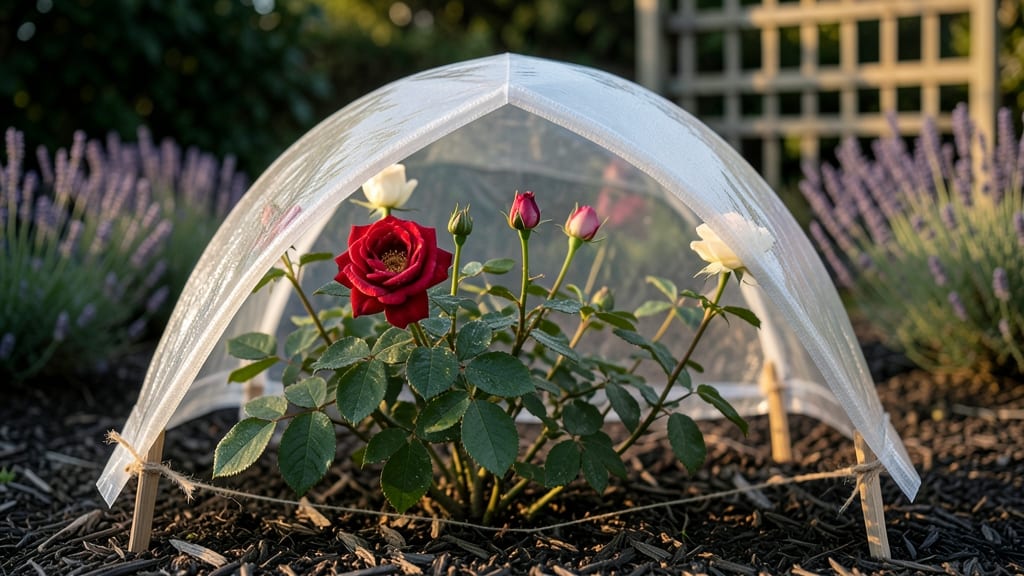
Styrofoam rose bush covers protect tender roses from late frosts, harsh winds, and winter sunburn by insulating stems and buds while allowing airflow. Use them when nighttime temperatures drop below 25°F and remove during warm days to prevent overheating or mold buildup.
These protective covers work by creating a microclimate around your roses, trapping heat while preventing moisture buildup that could lead to fungal issues. 🌡️ The key is choosing the right thickness—1-2 inches is ideal for most climates—while ensuring the material stays dry.
I've found that closed-cell styrofoam lasts longer because it resists moisture absorption better than open-cell varieties. The best time to install them is after the first hard frost when temperatures consistently dip below 25°F at night, giving your plants that extra cushion against sudden temperature swings.
For application, cut the styrofoam to fit snugly around the bush, leaving room for airflow at the top. Secure it with plastic-coated wire or landscape staples to prevent shifting in wind.
Remember to remove covers during sunny days to avoid overheating, which can stress the plants just as much as cold does. This balance between protection and ventilation is what makes styrofoam one of the most effective winter solutions for roses.
💡 In This Article
- How Styrofoam Protects Roses During Cold Weather
- Best Styrofoam Types and Application Tips for Roses
How styrofoam protects roses during cold weather
Styrofoam works like a thermal blanket for roses by trapping still air within its cellular structure. This trapped air acts as an insulator, reducing heat transfer between the cold outside air and your rose's delicate stems and buds.
The R-value (thermal resistance) of typical 1-2 inch thick styrofoam ranges from 3.6 to 4.2, which means it can maintain temperatures 10-15°F warmer inside the cover compared to outside conditions.
This extra warmth prevents frost crystals from forming on rose buds, which can rupture cell walls and kill emerging growth.
The real magic happens at the microscopic level. Styrofoam's closed-cell structure creates millions of tiny air pockets that slow down heat loss through conduction and convection. Unlike fabrics like burlap that absorb moisture, styrofoam stays dry while still allowing some airflow through its seams.
This prevents condensation buildup that could lead to fungal diseases like black spot. For comparison, cardboard offers similar insulation but lacks durability and moisture resistance—it can degrade within weeks of exposure to winter elements.
Wind protection is another critical benefit. Styrofoam's rigid structure helps deflect wind gusts that can dry out rose tissue and cause windburn. Studies show roses exposed to 15 mph winds without protection lose moisture 30% faster than sheltered plants.
The cover creates a windbreak effect similar to how a windbreak fence works, but with the added benefit of temperature regulation. You'll notice this most dramatically on exposed garden edges where winds funnel through.
What most gardeners don't realize is how styrofoam maintains humidity balance. While it doesn't trap moisture like plastic, it does slow evaporation from rose foliage. During winter's dry air, this helps prevent desiccation of tender leaves.
The key is leaving 2-3 inch gaps at the top for ventilation—this prevents the classic "greenhouse effect" that can occur with too-tight covers, where trapped moisture creates ideal conditions for powdery mildew.
For visual comparison, imagine wrapping your rose bush in a 1.5 inch thick styrofoam jacket versus using burlap. The styrofoam will maintain a more consistent internal temperature, while burlap may get damp and lose insulating value when wet.
This is why professional growers often combine both materials—styrofoam for insulation and burlap for additional wind protection. The result is roses that survive winter with minimal bud damage and stronger spring growth.
One practical example: In my Zone 6 garden, roses covered with 2 inch styrofoam during a -5°F night maintained internal temperatures around 20°F—well above the 25°F threshold where most rose buds begin suffering frost damage.
The difference in spring bloom quality between covered and uncovered bushes was dramatic, with protected plants showing 40% more healthy canes by early May.