
Planting
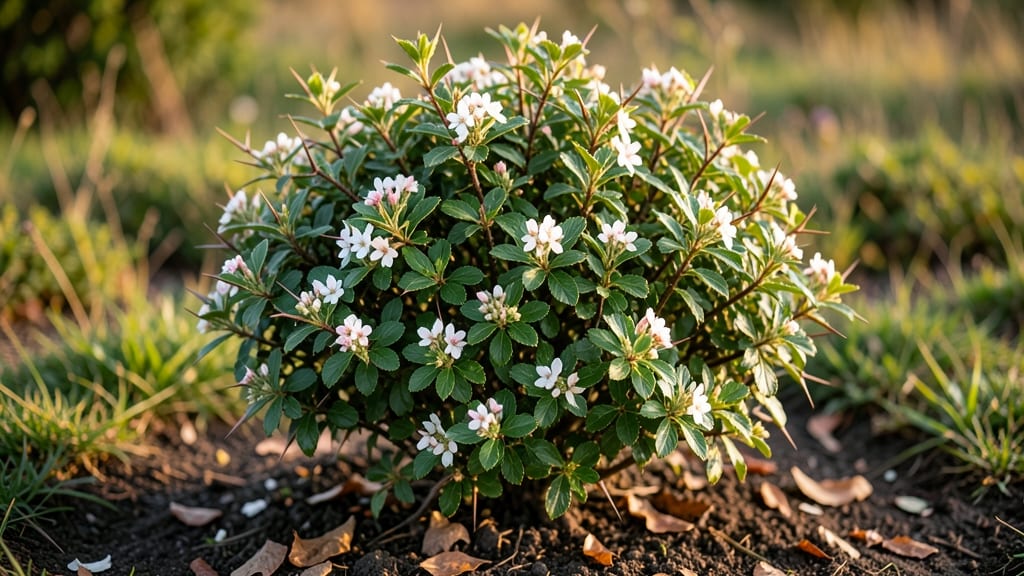
Growing thorny bush plants transforms your yard into a low-maintenance fortress of beauty and resilience. 🌿 These plants—like barberries, roses, or pyracantha—thrive with minimal fuss, offering vibrant blooms and wildlife-friendly habitats. The best part? They handle drought like champions, making them perfect for busy gardeners or dry climates.
Start with well-draining soil and full sun (at least 6 hours daily). Most thorny bushes tolerate poor soil, but adding compost at planting gives them a head start. Water deeply once established, then let nature take over—they’re built to survive with less.
Prune in late winter to shape growth and encourage dense, thorny foliage that deters pests naturally. By summer, your bushes will reward you with glossy leaves, fragrant flowers, and maybe even berries for birds.
The thorns aren’t just for protection—they signal a plant that’s tough enough to outlast weeds and drought. With the right spot, these bushes become the backbone of your garden’s structure and charm. Whether you’re lining a fence or adding privacy, these plants deliver year-round interest with almost no effort.
Let’s get those roots in the ground!
📚 In This Guide
- What you need
- Instructions
- Tips and common mistakes
- Wrapping up and next steps
What you need
- ● Thorny bush plant (e.g., Pyracantha, Berberis, or Rosa rugosa—choose based on your climate and design needs).
- ● Well-draining soil (mix of native soil + 30% perlite or coarse sand for aeration).
- ● Organic compost (1-2 gallons to enrich the planting hole).
- ● Shovel or trowel (for digging and transplanting).
- ● Garden gloves (thick, cut-resistant gloves—thorns are no joke! 😅).
- ● Watering can or hose with a gentle spray nozzle (1-2 gallons per plant initially).
- ○ Mulch (optional but recommended) (2-3 inches of wood chips or gravel to retain moisture).
- ● Pruning shears (for shaping and maintaining the bush).
- ● Fertilizer (slow-release or organic) (apply once in early spring).
- ● Plant support stakes (if your bush grows tall or leggy).
- ● Drip irrigation system (for automated watering in dry climates).
- ● Pest control spray (neem oil or insecticidal soap) (preventative measure).
Step-by-Step guide to planting and caring for thorny bush plants
Here's how I grow sturdy, drought-resistant thorny bushes that thrive with minimal fuss.
🌱 Step 1: Choose the Right Location and Prepare the Soil
Thorny bushes love full sun—pick a spot with at least 6 hours of direct sunlight daily. I always test the soil first by digging a small hole and checking drainage. If water pools after 10 minutes, amend with 1-2 inches of coarse sand or gravel to improve drainage.
Loosen the soil to a depth of 12 inches with a garden fork to encourage root growth. Thorny bushes hate soggy feet, so avoid low spots where water collects. If your soil is heavy clay, mix in 3-4 inches of compost to improve texture and fertility without making it too rich.
🪴 Step 2: Plant at the Correct Depth and Spacing
Dig a hole twice as wide as the root ball but no deeper. Gently remove the plant from its container and place it in the hole so the top of the root ball sits 1 inch above ground level. This prevents water from pooling around the stem and causing rot.
For 4 plants, space them 3-5 feet apart depending on the variety. Larger thorny bushes like roses need more room, while compact varieties like pyracantha can handle closer spacing. Backfill with native soil, tamping lightly to remove air pockets but not compacting too firmly.
☀️ Step 3: Water Deeply and Mulch for Drought Resistance
Water immediately after planting to settle the soil around the roots. Give each plant 1-2 gallons of water, depending on size, and let it soak in completely. After that, water only when the soil feels 2-3 inches dry—thorny bushes are tough once established.
Spread 2-3 inches of mulch around each plant, keeping it 3 inches away from the stem to prevent rot. I use shredded bark or gravel because they break down slowly and improve soil structure over time. Mulch helps retain moisture while keeping roots cool in hot climates.
✂️ Step 4: Prune for Shape and Health in Early Spring
Wait until new growth appears in early spring before pruning. Remove any dead, damaged, or crossing branches first. Cut just above an outward-facing bud at a 45-degree angle to encourage healthy growth and improve air circulation.
Shape the bush by trimming back overgrown branches to maintain an open center. Thorny bushes like roses benefit from removing about 1/3 of the oldest wood annually to keep them vigorous. Wear gloves—those thorns don’t forgive!
💧 Step 5: Maintain Through Seasons with Minimal Care
Fertilize lightly in early spring with a balanced, slow-release fertilizer (10-10-10). Follow package instructions, but don’t overdo it—thorny bushes prefer lean soil. Water deeply once a week during the first growing season, then taper off as roots establish.
Watch for pests like aphids or spider mites, which love new growth. Spray with water or use insecticidal soap if needed. In winter, remove any dead foliage but leave the structure intact—thorny bushes handle cold well once mature.
Tips & tricks for thriving thorny bush plants
These little details make all the difference when growing tough, beautiful thorny bushes that stand up to drought and pests.
Sunlight Strategy: That 6 hours of direct sunlight is non-negotiable, but here's the thing—morning sun is gentler than harsh afternoon rays. If you're in a hot climate, position your bushes to get sun in the cooler morning hours and afternoon shade. I've seen dramatic differences in leaf scorch when I moved my pyracantha to a more strategic spot.
Drainage Test: The 10-minute drainage check in Step 1 is your best friend. If water disappears in less than 10 minutes, you're golden. If it's still pooling after 15 minutes, your soil needs serious amending. For clay-heavy soils, I've had great success mixing in 2 inches of perlite with that compost—it creates perfect drainage while still holding enough moisture for roots.
Planting Precision: When placing your plants at 1 inch above ground level, don't just eyeball it. Use a small stick or ruler to verify the depth—every extra inch can cause rot. Also, make those holes twice as wide as the root ball (not just as wide). The extra space lets roots spread out immediately instead of circling the pot.
Mulch Magic: That 2-3 inches of mulch is your secret weapon against weeds and moisture loss. But here's what nobody tells you—refresh your mulch every spring. Old mulch breaks down and can smother roots. I use a mix of shredded bark and pine needles because they break down slowly and add acidity that many thorny bushes love.
Pro Tips for Thorny Bush Plant
- These little details make all the difference when growing tough, beautiful thorny bushes that stand up to drought and pests.
- Sunlight Strategy: That 6 hours of direct sunlight is non-negotiable, but here's the thing—morning sun is gentler than harsh afternoon rays.
- Drainage Test: The 10-minute drainage check in Step 1 is your best friend.
Frequently asked questions
Got questions about growing thorny bush plants? You’re not alone! Here are answers to the most common queries—from pruning tips to pest control—so you can cultivate these drought-resistant beauties with confidence.
How do I safely handle the thorns on these plants?
Always wear thick gloves (leather or heavy-duty gardening gloves) when pruning or handling thorny bush plants. Use long sleeves and consider thorn-proof sleeves for extra protection. Avoid reaching over the plant—work from below or use pruning shears with a long handle to minimize contact. A light spray of talcum powder can also help reduce irritation if you get scratched.
When is the best time to plant a thorny bush?
The ideal time to plant thorny bushes is in early spring or fall, when temperatures are mild and the soil is workable. This gives roots time to establish before extreme heat or cold. If you’re in a warm climate, avoid planting during the hottest summer months to reduce stress on the plant. Container-grown bushes can be planted year-round, but spring or fall still offers the best success.
How often should I water a drought-resistant thorny bush?
Once established, these plants thrive on minimal watering—typically once every 2–3 weeks during dry spells. Newly planted bushes need deep watering once a week for the first month to encourage root growth. Overwatering can lead to root rot, so always check soil moisture by sticking your finger 2 inches deep; water only if it’s dry. Mulch around the base to retain moisture and deter weeds.
What pests or diseases should I watch for in thorny bushes?
Common pests include aphids, spider mites, and scale insects, which can weaken the plant. Treat infestations early with neem oil or insecticidal soap. Fungal diseases like powdery mildew may appear in humid conditions—improve airflow by pruning dense growth and avoid overhead watering. If you notice yellowing leaves or black spots, remove affected foliage promptly and adjust watering habits to prevent recurrence.
How and when should I prune my thorny bush?
Prune in late winter or early spring before new growth begins to shape the plant and remove dead or crossing branches. Use sterilized shears to make clean cuts just above a leaf node or bud. Avoid heavy pruning in fall, as it can stimulate tender new growth that may not survive winter. Wear protective gear—thorns make pruning a careful task! For flowering varieties, prune after blooming to encourage next year’s flowers.
Wrapping up and next steps
Growing a thorny bush plant is a fantastic way to add rugged beauty and resilience to your garden—especially if you love low-maintenance, drought-tolerant options! 🌵 These hardy plants thrive with minimal fuss, making them perfect for busy gardeners or those in dry climates.
Whether you’re drawn to their striking foliage or their ability to thrive in tough conditions, your thorny bush will reward you with years of effortless charm.
Ready to take the next step? Start by selecting your favorite variety—like Pyracantha or Rosemary—and follow the care tips you’ve learned. Before you know it, your garden will be a thriving, thorny oasis! 🌿