
Aphids
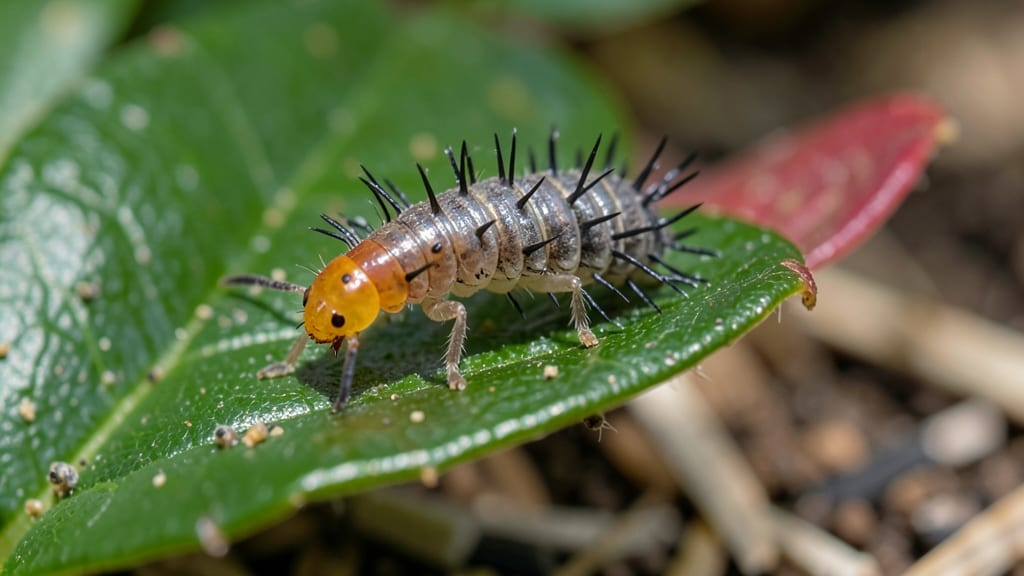
A treatment for aphids on burning bush is under siege—those tiny green aphids multiplying faster than you can blink. 🌿 The good news? A natural spray made from kitchen staples can wipe them out in hours without harsh chemicals, saving your plant's vibrant red stems and glossy leaves.
Start by identifying the infestation: sticky leaves, curled foliage, and clusters of aphids along new growth. Most gardeners wait too long—act within 24 hours of spotting them.
A simple soapy water spray (1 tsp mild dish soap + 1 quart water) disrupts their feeding, while neem oil smothers them on contact. Within 2-3 days, you'll see fewer aphids, and your bush will start bouncing back with fresh, aphid-free foliage.
The key is consistency: repeat treatments every 3-5 days until the pests vanish completely. This method works for all aphid-infested shrubs, not just burning bush. Here's how to make it work for your yard—no chemicals required.
Why it happens
Aphids on your Euonymus alatus (commonly known as burning bush) don’t just appear out of nowhere—they’re drawn to specific conditions that make your plant a buffet. Understanding these triggers is the first step to stopping them before they take over.
Let’s break down the science and environmental factors that turn your shrub into an aphid magnet.
🌱 Weakened Plant Health
Aphids are opportunistic pests—they target plants that are already struggling. When your burning bush is stressed, it can’t produce enough defensive compounds (like secondary metabolites) to repel them. Here’s why this happens:
- Nutrient Deficiencies: A lack of nitrogen, phosphorus, or potassium weakens the plant’s cell walls, making it easier for aphids to pierce and feed. Think of it like a door with a flimsy lock—aphids just walk right in.
- Overwatering or Drought:
- Overwatering leads to root rot, starving the plant of oxygen and nutrients.
- Drought stress forces the plant to divert energy to survival, leaving its leaves vulnerable.
- Poor Soil Drainage: Compacted or clay-heavy soil traps excess moisture, creating the perfect environment for fungal diseases (like powdery mildew) that further weaken the plant.
Actionable Fix: Test your soil’s pH (ideal for burning bush: 6.0–7.0) and amend it with compost or organic matter to improve drainage and nutrient availability.
🍃 Attractive New Growth
Aphids have a sweet tooth—literally. They’re drawn to tender, new growth because it’s packed with sugary sap (rich in amino acids and simple sugars). Burning bush, like many shrubs, produces fresh leaves in spring, which signals aphids: “All-you-can-eat buffet open!”
- Spring Flush: The rapid growth phase in spring is when aphids strike hardest. The plant’s high water content and soft tissue make it a prime target.
- Fertilizer Overload: Too much nitrogen (common in fast-release fertilizers) triggers excessive soft growth, which aphids adore. It’s like leaving out candy for ants.
Actionable Fix: Prune your burning bush in early spring to encourage hardier, slower growth and avoid over-fertilizing. If you must feed, use a slow-release, balanced fertilizer (e.g., 10-10-10).
🐝 Ants and Other Beneficial “Helpers”
Here’s a twist: ants love aphids. They “farm” them for honeydew (the sticky, sugary waste aphids excrete). In exchange, ants protect aphids from predators. This mutualistic relationship can turn a small aphid problem into a full-blown infestation.
- Ant Trails: If you see ants marching up and down your burning bush, they’re likely herding aphids. The aphids, in turn, provide a constant food source for the colony.
- Sheltered Colonies: Ants often relocate aphid colonies to protected areas (like under leaves or in crevices), making them harder to spot and treat.
Actionable Fix:
- Disrupt ant trails with diatomaceous earth or sticky barriers (like petroleum jelly on tree bands).
- Target ants with borax or soap sprays (e.g., a mix of 1 tsp dish soap + 1 quart water) to break their aphid “farm.”
🌿 Overcrowded or Stressed Landscapes
When plants are too close together, airflow is restricted, creating a humid microclimate that aphids thrive in. Poor air circulation also slows down natural predators (like ladybugs or lacewings) that would otherwise keep aphid populations in check.
- Shady, Dense Areas: Aphids prefer low-light conditions because they dry out quickly in direct sun. Overgrown shrubs or trees nearby can create these ideal hiding spots.
- Monoculture Plantings: Growing only burning bushes (or other aphid-loved plants like roses or fruit trees) gives aphids a non-stop food source with no breaks.
Actionable Fix:
- Thin out overcrowded plants to improve airflow.
- Interplant with aphid-repelling companions like garlic, chives, or marigolds to disrupt their life cycle.
🌍 Climate and Seasonal Triggers
Aphids are cold-blooded, meaning their activity levels spike in warm, stable conditions. Burning bushes in USDA Zones 3–8 are especially vulnerable during:
- Early Spring: Mild temperatures (50–70°F) and lengthening daylight signal aphids to reproduce rapidly.
- Late Summer: Heatwaves can stress plants, making them more susceptible, while migratory aphids (blown by wind) may land on your bush.
Actionable Fix:
- Monitor your bush weekly in spring and fall for early signs (curls, sticky residue).
- Use row covers or fine mesh netting to block migrating aphids if you’re in a high-risk area.
Quick Fixes for Aphid-Infested Burning Bush
Aphids on your burning bush can feel like an uphill battle, but with the right approach, you can reclaim your plant’s health—fast. Below are targeted solutions based on the most common causes of aphid outbreaks, from natural remedies to long-term prevention.
Each method is designed to be effective, easy to implement, and gentle on your plant (and the planet!).
Aphids thrive where plants are weak, often targeting overcrowded or nutrient-deficient burning bushes. Fix it by: - 🌿 Prune aggressively: Trim back dense foliage to improve airflow.
Focus on removing yellowing or curled leaves—aphids love hiding in these spots. - 💧 Hydrate deeply: Water at the base (not the leaves) in the early morning.
Aim for 1–1.5 inches of water per week to reduce stress. - 🌱 Feed with compost tea: Mix 1 cup worm castings with 5 gallons of water, let it steep for 24 hours, and spray on leaves. Rich in beneficial microbes, this boosts plant resilience. - 🌡️ Avoid over-fertilizing: Too much nitrogen = soft, aphid-friendly growth.
Use a balanced 10-10-10 fertilizer sparingly in spring.
💡 Pro Tip: If your bush is root-bound, gently loosen the soil around the base with a fork to encourage deeper growth. Aphids hate a healthy, sprawling plant!
When aphids are swarming, you’ll need a two-pronged attack: direct elimination and trapping to break their cycle.
🍳 Natural Sprays That Work in Hours
| Solution | How to Use | Why It Works |
|---|---|---|
| Neem Oil Spray | Mix 1 tbsp neem oil + 1 tsp mild soap + 1 quart water. Spray directly on aphids (avoid blooms). Reapply every 3–5 days. | Disrupts aphid feeding and reproduction. Safe for pets once dry. |
| Insecticidal Soap | Use a pre-mixed spray (like Safer® Brand). Apply early morning on calm days. Repeat in 7–10 days. | Suffocates aphids by breaking their waxy coating. No harm to ladybugs! |
| Garlic Pepper Spray | Blend 4 garlic cloves + 1 tsp cayenne + 1 quart water. Strain and spray. | Aphids hate the smell—repels and kills on contact. Best for severe cases. |
| Water Blaster | Use a hose with a strong jet to blast aphids off leaves. Do this daily for 3 days. | Physical removal + washes away honeydew (sticky residue). Works best in early morning. |
🕷️ Encourage Natural Predators
Aphids can’t survive long if their enemies are around. Invite these allies:
- Ladybugs: Release 50–100 adults near the infestation (available online or at garden centers).
- Lacewings: Their larvae devour aphids.
Plant dill or fennel nearby to attract them. - Birds: Hang a simple feeder with mealworms to lure sparrows and chickadees.
✨ Pro Tip: Avoid chemical pesticides—they kill predators faster than aphids! Stick to organic sprays to keep the ecosystem balanced.
The best treatment? Never letting them take hold. Follow these low-effort habits to keep your burning bush aphid-free:
- 🍃 Plant companion flowers: Aphids avoid marigolds, chrysanthemums, and lavender.
Plant these within 3 feet of your bush. - 🕰️ Inspect weekly: Check new growth and undersides of leaves for tiny green/black clusters. Act at the first sign—aphids multiply fast. - 🧹 Clean up debris: Remove fallen leaves and spent blooms where aphids hide over winter. - 🌿 Rotate sprays: If you used neem oil last season, switch to garlic spray this year to prevent resistance.
🎯 Golden Rule: A strong, well-cared-for burning bush is the best aphid deterrent. Focus on soil health, pruning, and hydration, and your plant will naturally resist pests.
🔥 Ready to act? Start with one method (like neem oil or pruning) and combine it with prevention tips for long-term success. Your burning bush will be aphid-free in no time—and you’ll save money on chemical treatments!
Frequently asked questions
How do I know if my burning bush has aphids?
Look for tiny green or black clusters on new growth, sticky residue (honeydew) on leaves, or leaves that appear curl or yellow. Check the undersides of leaves first—aphids love hiding there. If you see ants marching up and down the stems, they’re likely herding aphids.
Will neem oil harm my burning bush?
Neem oil is safe for burning bush when used correctly! Just mix 1 tbsp neem oil + 1 tsp mild soap + 1 quart water and spray directly on aphids (avoid blooms). Apply in the early morning on calm days, and reapply every 3-5 days until aphids disappear. Always test a small leaf area first.
How long does it take for aphid treatments to work?
With consistent treatment, you’ll see noticeable results in 2-3 days. For severe infestations, combine neem oil with pruning and natural predators (like ladybugs). Repeat treatments every 3-5 days until aphids are completely gone. Most gardeners eliminate them within 1-2 weeks using organic methods.
Can I use chemical pesticides on my burning bush?
Chemical pesticides can work, but they often kill beneficial insects like ladybugs and lacewings that help control aphids. If you choose this route, opt for systemic pesticides (like imidacloprid) applied early in the season before aphids appear. Always follow label instructions carefully and avoid spraying during bloom times.
What’s the best time of year to treat aphids?
Start treatments as soon as you spot aphids, but early spring (when new growth emerges) and late summer (when heat stresses plants) are peak times. For prevention, apply neem oil or insecticidal soap in March-April before aphids multiply. Fall treatments help reduce overwintering populations.