
Shrubs
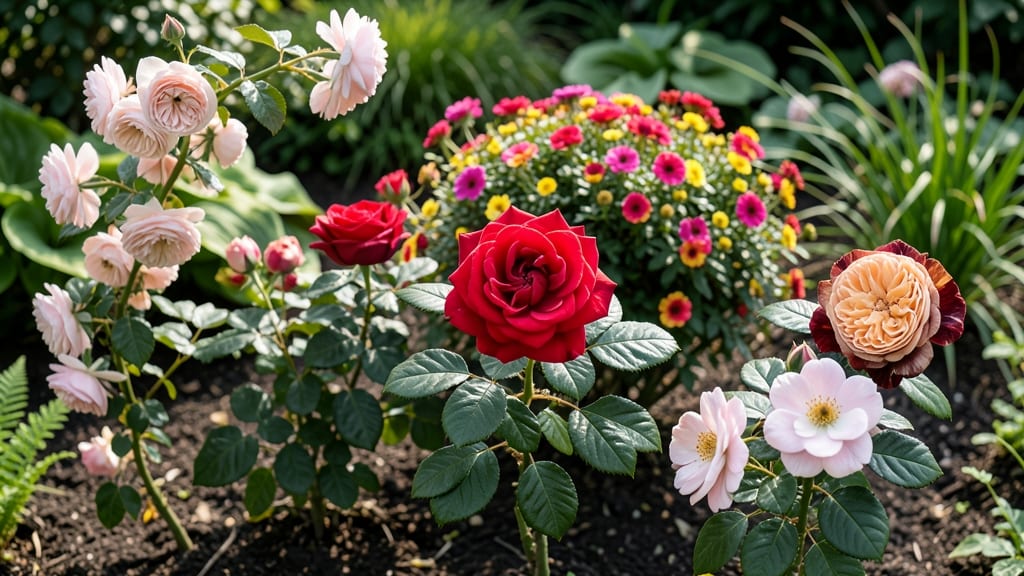
Fifteen types of rose bushes that turn your garden into a living canvas of color and texture—and here are the picturesque varieties that never disappoint. 🌹 The right rose can transform a blank wall into a floral masterpiece, a boring hedge into a fragrant barrier, or a simple border into a showstopper.
I’ve grown roses for over a decade, and these are the types that never disappoint—whether you want climbing vines, compact shrubs, or cut flowers that last for days.
Climbing roses like 'New Dawn' and 'Blaze' scale walls or trellises with vibrant blooms, while shrub varieties such as 'Knock Out' and 'David Austin English Roses' stay compact and bloom nonstop. For hedges, 'Flower Carpet' roses create a lush, low-maintenance barrier with tiny, fragrant blooms.
Each type has its own personality—some thrive in full sun, others in partial shade—and knowing the right one for your space makes all the difference.
Imagine a garden where roses bloom from spring through fall, their petals ranging from deep crimson to pale blush, with foliage that stays healthy and disease-resistant. These varieties deliver exactly that—year-round interest with minimal fuss.
The secret? Choosing roses that match your climate, sunlight, and design goals, then giving them the right care to shine.
Whether you’re dreaming of a romantic arbor, a fragrant hedge, or a cutting garden, these roses will elevate your outdoor space. Let’s dive into the 15 types that bring beauty, structure, and joy to any garden—no green thumb required.
📚 In This Guide
- What you need
- Instructions
- Tips and common mistakes
- Wrapping up and next steps
What you need
- ● Rose bushes: 1–5 plants (depending on desired coverage; check types for spacing needs—some grow 3–6 ft tall!).
- ● Well-draining soil: Mix 1 part compost (or aged manure) with 2 parts native soil (avoid clay-heavy soil unless amended).
- ● Organic mulch: 2–3 inches of wood chips, straw, or pine bark to retain moisture and suppress weeds.
- ● Fertilizer: Balanced granular (10-10-10) or rose-specific fertilizer (apply at planting + monthly during growing season).
- ● Epsom salt (magnesium sulfate) (1 tbsp per plant every 4–6 weeks for vibrant blooms).
- ● Watering can or hose: With a gentle spray nozzle (roses hate soggy roots!).
- ● Pruning shears: Bypass pruners (sharp, clean—disinfect with rubbing alcohol between cuts!).
- ● Garden gloves: Heavy-duty (roses have thorns—trust us!).
- ● Trowel or spade: For digging holes (width twice the root ball, depth 2–3 inches deeper).
- ● Stakes or cages: 5–6 ft tall (for climbing roses) or heavy-duty trellis (for ramblers).
- ● Spray bottle: For neem oil or fungicide (prevents black spot/powdery mildew—essential in humid climates!).
- ● Slow-release fertilizer spikes (reduce monthly feeding hassle).
- ● Drip irrigation system (automates watering—roses need 1–2 inches/week).
- ● Rose food (liquid) for quick nutrient boosts (mix with water monthly).
- ● Reflective mulch: Black plastic under mulch to deter weeds (remove in winter).
- ● Camera or sketchbook: Document your progress—roses are photogenic! 📸
How to identify and select rose bush varieties for your garden
Choosing the right roses transforms a garden from ordinary to extraordinary—here’s how to match stunning types to your space.
🌹 Step 1: Understand the Four Major Rose Categories
Roses fall into four primary groups, each with distinct growth habits and care needs. Hybrid teas are classic, producing single stems with large blooms—ideal for cutting gardens. Floribundas burst with clusters of smaller flowers, perfect for borders and hedges. Climbing roses grow vertically, adding drama to trellises or fences, while shrub roses offer low-maintenance, repeat-blooming beauty for mixed borders.
I always start by sketching my garden layout: Hybrid teas need 2-3 feet of space per bush, while climbers may require 6-10 feet of vertical support. Shrub roses like ‘Knock Out’ thrive in tight spaces, while David Austin English roses need 3-4 feet for their lush, layered growth. Check bloom size too—grandifloras produce 3-4 inch blooms, while polyanthas offer tiny but prolific flowers.
🌿 Step 2: Match Roses to Your Climate and Sunlight
Not all roses thrive everywhere. Cold-hardy varieties like ‘Dr. Huey’ or ‘Cornelia’ survive down to -20°F, while heat-tolerant types such as ‘Iceberg’ or ‘Double Delight’ handle 90°F+ summers without stress. Most roses need 6+ hours of direct sun daily, but David Austin roses tolerate partial shade better than hybrid teas.
Here’s the trick: South-facing gardens work for nearly any rose, but north-facing spots require shade-tolerant varieties like ‘The Fairy’ or ‘Iceberg’. I always test sunlight by placing a ruler in the spot at 10 AM and 2 PM—if shadows are shorter than 12 inches, it’s full sun. If shadows stretch 2+ feet, opt for shade-loving roses.
☀️ Step 3: Plan for Bloom Time and Seasonal Interest
Roses aren’t one-season wonders. Early bloomers like ‘Iceberg’ start in late spring, while repeat bloomers such as ‘Knock Out’ produce flowers from May through frost. For year-round interest, pair spring bloomers (e.g., ‘Gertrude Jekyll’) with fall varieties (e.g., ‘The Fairy’). Climbers like ‘New Dawn’ bloom from May to October, perfect for arches.
I like to create a bloom calendar: Mark your first and last frost dates, then map out which roses flower in each season. For example, spring roses (e.g., ‘William Baffin’) need 3-4 weeks of warm soil to break dormancy, while fall roses (e.g., ‘The Fairy’) often rebloom after summer heat waves. This ensures your garden never looks bare.
🪴 Step 4: Consider Maintenance and Disease Resistance
Some roses demand daily attention; others thrive with once-a-week care. Knock Out roses are nearly indestructible, while hybrid teas need deadheading every 3-5 days to encourage reblooming. Disease resistance matters too—‘Dr. Huey’ resists black spot, while ‘Iceberg’ handles powdery mildew better than most.
I always check the American Rose Society’s disease resistance ratings before buying. Look for varieties labeled "excellent" or "good" for black spot, rust, and powdery mildew. Shrub roses like ‘Carefree Beauty’ often top these lists, while climbers such as ‘Zephirine Drouhin’ need weekly fungicide sprays in humid climates. Pruning ease also varies—‘Knock Out’ bushes self-clean, while ‘David Austin’ roses need layered pruning for their unique habit.
✂️ Step 5: Test Before You Commit
Before buying, rent a rose or visit a local nursery’s trial garden. Handle the canes—thick, woody stems (1/2 inch+) indicate mature, sturdy bushes, while thin, flexible canes suggest younger plants. Smell the foliage: Strong, fresh green means healthy; yellowing or spotted leaves signal disease.
I also check the root system if possible. Bare-root roses should have 3-5 strong canes and white, fleshy roots (not brown or mushy). Container-grown roses need roots filling the pot—if you see circling roots, trim them before planting. This small step prevents transplant shock and ensures your rose establishes quickly. Once you’ve tested a few varieties, you’ll spot the winners in seconds.
Tips & tricks for selecting the perfect rose bushes
Here's what nobody tells you about choosing roses that'll thrive for years—avoid these common mistakes and make your garden truly stunning.
Space Planning: Real talk: I've seen beautiful roses ruined by poor spacing. Hybrid teas need at least 2-3 feet between plants, while climbers require 6-10 feet of vertical space. For David Austin English roses, leave 3-4 feet between bushes—they grow lush and wide. I always sketch my garden layout first, marking each variety's mature size. This prevents overcrowding, which leads to poor airflow and disease.
Climate Matching: The -20°F cold-hardy varieties like 'Dr. Huey' are game-changers for northern gardens, while 90°F+ heat-tolerant types like 'Iceberg' save southern gardens from wilting. Here's my trick: Check your local hardiness zone and match roses accordingly. For borderline zones, I recommend 'Cornelia'—it handles both extremes surprisingly well. Also, remember that David Austin roses tolerate partial shade better than most, making them perfect for north-facing gardens.
Seasonal Layering: The difference between a garden that looks bare in winter and one that stays beautiful comes down to this: Layer your roses by bloom time. Pair late spring bloomers like 'Iceberg' with fall varieties like 'The Fairy' for continuous color. I create a simple bloom calendar marking first and last frost dates—this helps me visualize seasonal gaps. For example, 'New Dawn' climbers bloom from May to October, perfect for filling summer arches, while 'William Baffin' provides early spring color before others wake up.
Health Check: Before buying, I always inspect three things: thick, woody stems (at least 1/2 inch diameter), strong green foliage (no yellowing or spots), and white, fleshy roots (for bare-root varieties). If you see circling roots in container-grown plants, trim them before planting—this prevents transplant shock. I've learned this the hard way after buying diseased roses that never recovered. A quick inspection at the nursery saves years of disappointment.
Pro Tips for Types Rose Bushes Pictures
- Here's what nobody tells you about choosing roses that'll thrive for years—avoid these common mistakes and make your garden truly stunning.
- Space Planning: Real talk: I've seen beautiful roses ruined by poor spacing.
- Climate Matching: The -20°F cold-hardy varieties like 'Dr.
Frequently asked questions
Got questions about choosing, planting, or caring for rose bushes? You’re not alone! Here are some of the most common queries—plus straightforward answers to help you pick the perfect roses for your garden.
What are the easiest rose bushes for beginners?
If you’re new to gardening, opt for Knock Out® roses or Floribunda roses. These varieties are disease-resistant, low-maintenance, and bloom repeatedly. They’re perfect for adding color without the fuss!
When is the best time to plant rose bushes?
Plant roses in early spring (after the last frost) or fall (4-6 weeks before the first frost). Avoid extreme heat or cold—roses need time to establish roots. Pro tip: Soak the roots before planting for a head start!
Can I grow roses in containers or small spaces?
Dwarf roses (like Patio roses or miniature roses) thrive in pots. Use a well-draining soil mix and a container at least 12-18 inches deep. Just ensure they get 6+ hours of sunlight daily—containers dry out faster!
How do I prevent pests and diseases in my rose bushes?
Start with resistant varieties (e.g., David Austin English Roses). Keep bushes well-pruned for airflow, water at the base (not leaves), and use neem oil or insecticidal soap if needed. Deadhead spent blooms to encourage new growth and reduce pests.
What’s the difference between hybrid teas and floribundas?
| Hybrid Teas | Floribundas |
|---|---|
| Single, dramatic blooms on long stems (great for cutting). | Clustered, pom-pom-like blooms (ideal for mass planting). |
| More high-maintenance; prone to mildew if overcrowded. | Hardier, disease-resistant, and low-maintenance. |
Need a showstopper? Go hybrid teas. Want effortless beauty? Floribundas win!
Wrapping up and next steps
From climbing roses that paint fences in romance to shrub roses bursting with color, each type brings its own magic to your garden. 🌹 Whether you’re drawn to fragrant blooms, hardy varieties, or year-round beauty, there’s a rose perfect for your space—and now, you’ve got the inspiration (and pictures!) to make it happen.
Ready to plant your vision? Start by sketching your garden layout, then visit a local nursery to pick out your favorites. Pro tip: Ask for advice on sunlight and soil needs—your roses will thank you with lush, vibrant blooms all season long!