
Plants
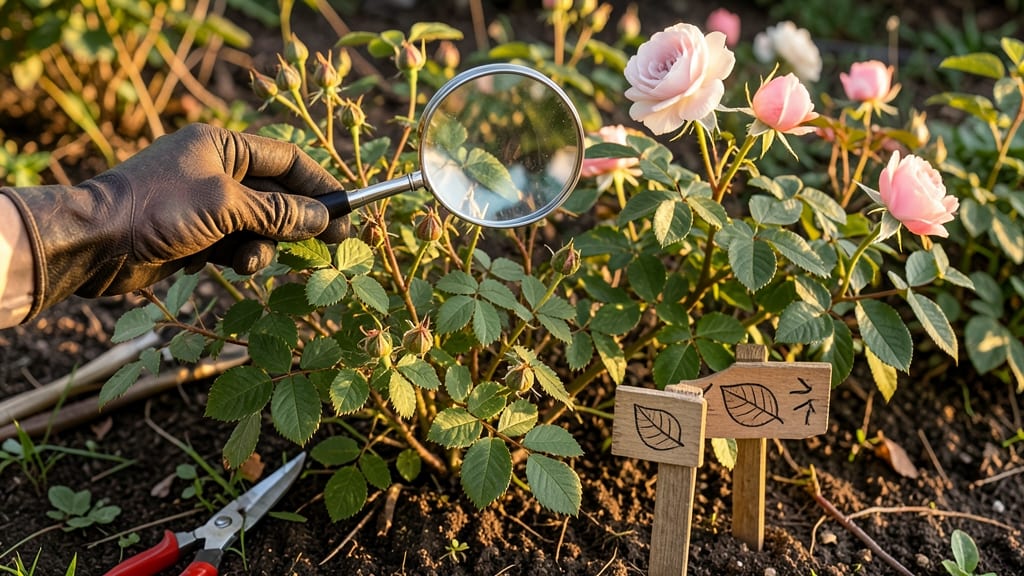
Misidentifying weeds that look like rose bushes can turn your garden into a battleground of unwanted invaders. 🌿 I’ve spent years untangling the confusion between wild roses and actual rose bushes—especially the sneaky multiflora rose that spreads like kudzu.
The key is in the leaves, stems, and how aggressive they grow.
Wild roses often have thornier stems and smaller, darker green leaves than cultivated roses, plus they spread via underground runners. Multiflora roses (an invasive nightmare) climb fences and form dense thickets, while garden roses stay tidy with pruning. One wrong cut, and you’ve just fed the weed.
Once you spot the differences, removal becomes straightforward: dig out roots for wild roses, prune aggressively for multiflora, and mulch heavily to block regrowth. Your roses will thank you with fewer thorns and more blooms.
This guide keeps your garden weed-free and your roses thriving—no more guessing games. Let’s get those intruders out for good.
Nature’s Deceptive Garden Tricks
When your carefully cultivated rose bushes start looking suspiciously similar to weeds, it’s not just your imagination playing tricks—there’s a science behind it! These lookalikes thrive due to a mix of ecological, biological, and even human-influenced factors.
Understanding why they pop up where they shouldn’t helps you outsmart them before they take over. Let’s break down the key reasons these imposters invade your garden.
Some weeds have mastered the art of visual deception, evolving to resemble desirable plants like roses. This isn’t accidental—it’s a survival tactic called Batesian mimicry, where harmless or beneficial species copy the appearance of toxic or unpalatable ones to avoid being eaten or disturbed.
For example:
- Multiflora rose (Rosa multiflora) isn’t a weed but can spread aggressively, confusing gardeners into thinking it’s a wild rose. Its thorns and leaf structure mimic cultivated roses, making it hard to distinguish at a glance.
- Blackberry brambles (Rubus spp.) often sprout near rose bushes, their jagged leaves and canes mimicking rose foliage. Birds and animals may spread their seeds, thinking they’re part of the rose’s ecosystem.
- Japanese honeysuckle (Lonicera japonica) climbs like a vine but can resemble a rose bush when young, with similar leaf shapes and even rose-scented blooms (though its flowers are tubular, not the classic rose shape).
💡 Pro Tip: Pay attention to flower structure and leaf arrangement. Roses typically have 5 petals and alternate leaves, while many weeds have 3-7 petals or opposite leaves. A magnifying glass can be your best friend here!
Roses and weeds often share the same growing conditions, which is why they end up competing for space. Here’s how their needs align:
| Factor | Roses | Common Weeds |
|---|---|---|
| Sunlight | Full sun (6+ hours/day) | Most thrive in partial to full sun (e.g., dandelions, creeping Charlie) |
| Soil Type | Well-draining, slightly acidic | Adaptable—many weeds grow in poor, compacted, or nutrient-rich soil |
| Water Needs | Moderate; dislikes soggy roots | Some (like bindweed) tolerate drought; others (like nutsedge) thrive in wet areas |
| Spread Method | Grafted or cuttings (controlled) | Seeds, rhizomes, or runners (uncontrolled) |
Weeds exploit these overlaps by colonizing gaps in your garden—whether from bare soil, mulch edges, or overcrowded rose bushes. If your roses aren’t thriving, weeds move in to fill the void.
Weeds don’t just appear by chance—they’re often unintentionally invited by gardeners. Here’s how:
- Poor Soil Preparation: Tilling or disturbing soil can bring dormant weed seeds to the surface. Roses often need amended soil, and if you’re not careful, you might also be aerating a weed buffet.
- Improper Pruning: Cutting roses too low or leaving clippings on the ground can spread rose rosette disease (caused by a mite vector) or invite weeds like bindweed, which hitchhikes on tools.
- Compost & Mulch Contamination: Weed seeds can lurk in homemade compost or store-bought mulch. If your "clean" mulch contains nutgrass or cheatgrass, your rose bed becomes their new home.
- Bird & Animal Visitors: Birds eat rose hips (the fruit) and may drop weed seeds nearby. Squirrels or rabbits might also dig near rose bushes, disturbing soil and creating entry points for weeds.
🔥 Action Alert: Always inspect new plants, sterilize tools between uses, and test compost for weed seeds before spreading it in your rose garden.
Sometimes, what looks like a weed is actually a diseased or pest-infested rose that’s been abandoned by nature. For example:
- Rose Rosette Disease: Causes witches’-broom-like growth (dense clusters of small leaves and thorns), making infected bushes resemble multiflora rose or blackberry brambles. The disease is fatal and spreads via mites.
- Crown Gall (Bacterial Infection): Swollen, gnarled roots or stems can make a rose bush look like a tangled mess of bindweed or morning glory vines.
- Japanese Beetle Damage: Heavy defoliation can stress roses, leading to weedy-looking regrowth as the plant tries to recover.
🌡️ Diagnostic Tip: Dig up suspicious growth—if the roots look healthy and woody (like a rose), it’s likely a misidentified plant. If they’re fibrous, shallow, or rotting, disease or pests may be the culprit.
Quick Fixes for Unwanted Lookalikes
Identifying and removing weeds that mimic rose bushes can feel like a game of hide-and-seek—but once you know the tricks, it’s easier than you think! The key is acting fast and using the right methods for each type of intruder.
Below, we’ll break down solutions by cause, so you can reclaim your garden without guessing.
Sometimes, what looks like a weed is actually a beneficial plant or a young rose variety. Before pulling, double-check: - 🔍 Leaf Shape & Arrangement: True roses have 5-7 serrated leaves (like a wild rose) or glossy, compound foliage (like hybrid teas).
Weeds like bittersweet nightshade or blackberry brambles often have smooth, lobed, or palmate leaves. - 🌹 Flower & Stem Clues: Roses have 5-petal blooms (sometimes more) with thorns along the stem.
Weeds like multiflora rose (an invasive species) may look similar but lack the classic rose scent and have longer, arching canes. - 🌱 Root & Growth Pattern: Dig carefully—rose roots are woody and thick, while weeds like bindweed or morning glory have thin, fibrous roots or twining vines.
✨ Pro Tip: Snap a photo and compare it to a rose identification app (like PictureThis or PlantNet) before yanking anything. Better safe than sorry!
If it’s definitely a weed, manual removal is often the fastest fix—just do it right!
🔥 Pulling Young Sprouts (Before They Spread)
- Best for: Small weeds like bittersweet nightshade, blackberry suckers, or wild rose seedlings.
- How to: 1. Wear gloves (some weeds, like poison ivy, can cause rashes).
- Grip the base of the weed and pull firmly upward—aim for the root crown (the thick part near the soil).
- Check for regrowth: If the root breaks off, the weed may resprout.
Use grubbing tools or a digger fork for stubborn roots. - Timing: Early spring or fall (when soil is soft) makes pulling easier.
🍳 Smothering & Mulching (For Established Invaders)
- Best for: Creeping weeds (like bindweed) or dense ground cover (e.g., oxalis).
- How to: 1. Cover the area with cardboard or thick mulch (6+ inches of wood chips, straw, or shredded leaves).
- Keep it moist—this starves weeds by blocking sunlight.
- Reapply mulch every few months to prevent new growth. - Bonus: This also suppresses future weeds and retains soil moisture for your roses!
👨🍳 Vine & Bramble Control (For Aggressive Spreaders)
- Best for: Multiflora rose, blackberry vines, or Russian olive (which can strangle rose bushes).
- How to: 1. Cut back vines to the ground in early spring (before new growth starts).
- Apply vinegar or horticultural oil (see below) to sealed cuts to prevent regrowth.
- Repeat monthly until the weed is gone—persistence is key!
Not a fan of digging? These targeted treatments can help without harming your roses.
🔪 Spot-Treat with Vinegar or Salt (For Small Patches)
- Best for: Annual weeds (like purslane or chickweed) in walkways or between rose bushes.
- How to: 1. Mix 1 gallon of white vinegar (20% acetic acid) + 1 oz dish soap in a spray bottle.
- Spray directly on leaves (avoid roses—they’re sensitive to vinegar!).
- Reapply every 3-5 days until the weed dies (usually 1-2 weeks). - ⚠️ Warning: Vinegar can burn grass and soil—use only on bare soil or mulch.
🌡️ Herbicide Options (For Stubborn Weeds)
- Best for: Perennial weeds (like bindweed, creeping Charlie, or multiflora rose).
- How to:
- Glyphosate (Roundup): Spray on dry, wind-free days—follow label instructions exactly.
- Triclopyr (for woody stems): Better for brambles and rose lookalikes (e.g., Rosa multiflora).
- Pre-emergent herbicides: Apply before weeds sprout (spring or fall) to prevent seeds from germinating.
- 💡 Pro Tip: Always spray only the weed, not your roses.
Use a shield or cardboard to protect nearby plants.
🌱 Natural Alternatives (Safer for Gardens)
- Boiling Water: Pour slowly on weeds in cracks or driveways (great for dandelions or clover).
- Corn Gluten Meal: Sprinkle before planting to prevent weed seeds from sprouting.
- Beer Trap: Bury a glass jar filled with beer—weeds will grow toward it, and you can pull them out easily.
The best solution? Stop them before they start!
| Prevention Method | How to Do It | Best Time |
|---|---|---|
| Mulch Like a Pro | Apply 3-4 inches of mulch (wood chips, pine straw) around rose bushes. | Spring & Fall |
| Weed Barriers | Lay landscape fabric under mulch to block light to weed seeds. | Before planting |
| Regular Inspections | Check your garden weekly for new sprouts—pull them young! | Spring to Fall |
| Healthy Roses = Fewer Weeds | Water deeply but less often (1 inch/week) to stress weeds, not roses. | Growing Season |
| Prune Properly | Remove dead or crossing branches to reduce hiding spots for weeds. | Late Winter/Early Spring |
Weeds that look like rose bushes are opportunists—they thrive where roses are weak. By acting fast, using the right tools, and preventing regrowth, you’ll keep your garden lush, rose-filled, and weed-free in no time.
💡 Extra Tip: If you’re still unsure, dig up a small section and press it in a book to compare with a plant guide later. No guesswork—just clean, happy roses!
Frequently asked questions
How can I tell if a thorny plant near my roses is actually a weed?
Check the leaf arrangement and flower structure: true roses have 5-petal blooms with alternate leaves, while weeds like multiflora rose often have longer canes and smaller, clustered flowers. Also examine the roots—roses have woody, thick roots, while many weeds have fibrous or shallow roots.
Why does my garden keep getting wild rose lookalikes?
Wild roses and weeds often share growing conditions (full sun, well-draining soil). Birds spreading seeds or contaminated mulch/compost can also introduce unwanted plants. The key is weekly inspections and removing sprouts before they establish.
Is vinegar safe to use on weeds near my rose bushes?
Only on bare soil or mulch—never spray roses directly as vinegar can burn them. Mix 1 gallon white vinegar + 1 oz dish soap and apply to leaves only. For stubborn weeds like bindweed, consider targeted herbicides instead.
What's the best time of year to remove rose-mimicking weeds?
Early spring or fall when soil is soft makes pulling easier. For aggressive spreaders like multiflora rose, cut back vines in early spring before new growth begins. Mulching heavily after removal helps prevent regrowth.
Can I save a rose bush that's been overtaken by weeds?
Yes! First prune out all weed growth, then mulch heavily (3-4 inches) around the base. Fertilize your roses to help them outcompete weeds, and water deeply but less frequently to stress weeds more than roses.