
Pruning
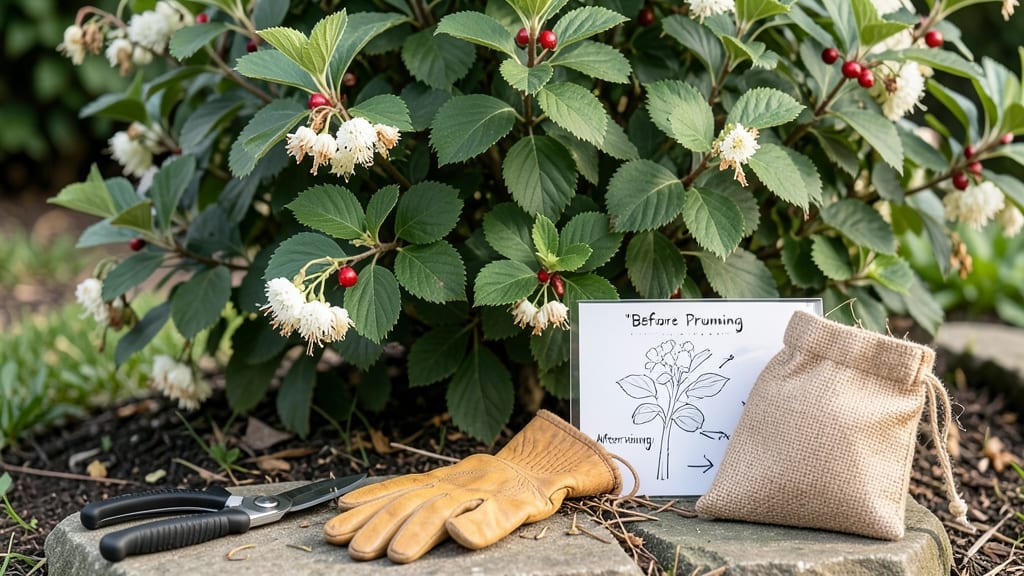
Cutting back your snowball bushes in late winter is the key to stronger spring blooms 🌸 — timing this task just right makes all the difference.
Pruning your snowball bushes (Viburnum opulus) at the wrong time can weaken their growth—or even kill them. Timing matters more than you think, especially if you want lush, blooming shrubs by spring.
Most gardeners wait until late winter or early spring, but cold climates like Zone 6a need extra caution. A late frost can stress fresh cuts, so knowing the exact window helps you avoid mistakes.
In this guide, I’ll walk you through the best late-winter timing, step-by-step pruning techniques, and what happens if you get it wrong. By the end, you’ll know exactly when to reach for those shears!
Best late winter pruning timeline for snowball bushes
Timing your snowball bush pruning (Viburnum opulus) in late winter sets the stage for explosive spring growth. The ideal window is just before new buds swell but after the worst winter chill passes—typically February through early March in most U.S. regions.
This timing prevents disease spread while stimulating fresh foliage and blooms.
Why late winter? Pruning too early exposes fresh cuts to late-season frost, while waiting too long risks cutting off next year's flower buds. Snowball bushes bloom on old wood, so precision matters.
In colder zones (USDA 3-5), delay until after last frost—usually mid-to-late March—to avoid winter-killed branches.
Here’s your regional pruning timeline to follow:
| Climate Zone | Best Pruning Window | Key Landmark |
|---|---|---|
| USDA Zones 6-9 (Mild Winters) | Late February to early March | Before bud break (when buds are swollen but not green) |
| USDA Zones 3-5 (Cold Winters) | Mid-to-late March | After last frost date (check local averages) |
| Pacific Northwest | February (mild winters) | When forsythia blooms nearby |
| Southern States (Zones 8-10) | January to early February | Avoid heatwave pruning (wait for cooler days) |
In cold climates, prune after the ground thaws but before active growth begins. Look for green tips on branches—this signals it’s safe. If you’re unsure, wait until mid-March to avoid cutting into dormant buds that won’t regrow.
Pruning at this time also reduces disease risk. Wet winter conditions create ideal environments for fungal spores to infect fresh cuts. Late-winter pruning ensures cuts heal before spring rains arrive, minimizing powdery mildew or canker infections.
For overgrown snowball bushes, you can do light shaping in late winter, but avoid heavy pruning. Save major renovations for summer after flowering. Always use sterilized shears and cut at a 45-degree angle just above a bud or branch collar.
Pro tip: Mark your calendar for February 15th as a reminder. If buds haven’t swollen by then, wait another 2 weeks. Patience prevents stunted growth or missed blooms next season.
After pruning, apply a 2-inch layer of mulch around the base to retain moisture and protect roots. Water deeply if dry spells occur during late winter. Your snowball bush will reward you with dense foliage and showy spring blooms.
Remember: Pruning too late (after buds break) can remove next year’s flowers. The late-winter window is your golden opportunity to shape your bush without sacrificing blooms.
Step-by-step guide to pruning snowball bushes without mistakes
Pruning your snowball bushes (Viburnum opulus) correctly ensures they thrive, but mistakes can stunt growth or invite pests. Start by gathering sharp, sterilized pruners and a clean bucket for clippings. I always prune on a dry, sunny day to reduce disease risk and improve visibility of branches.
First, remove any dead or diseased wood—these branches are usually brown, brittle, or oozing sap. Cut them back to the main stem or healthy growth using a 45-degree angle to prevent water pooling. This step is critical for airflow and preventing fungal issues.
⚠️ callout-warning
Never prune after mid-summer—this delays next year’s blooms. For cold climates (USDA Zones 3-5), wait until late February to early March when frost risk is low. In warmer zones (6-9), aim for January to February.
Pruning too early (winter) risks damaging dormant buds, while waiting too long (spring) can reduce flowering potential.
Next, shape your bush by trimming overcrowded or crossing branches to improve light penetration. Focus on the outer third of the plant to encourage a fuller form. I like to step back every few cuts to visualize the balanced silhouette—this prevents over-pruning.
For older branches, thin them out by cutting back to a bud or lateral branch. Avoid leaving stubs, as they can trap moisture and rot. If your bush is overgrown, never remove more than one-third of the foliage in a single session—this could stress the plant.
After pruning, sterilize your tools with rubbing alcohol to prevent spreading disease. Apply a layer of mulch around the base to retain moisture and protect roots. Water deeply to help the plant recover, especially if you’ve done heavy pruning.
Finally, monitor your snowball bush for new growth in 4-6 weeks. Healthy branches should appear firm and green, while weak growth may signal over-pruning. Adjust future cuts based on what you observe—this helps refine your technique each year.