
Pruning
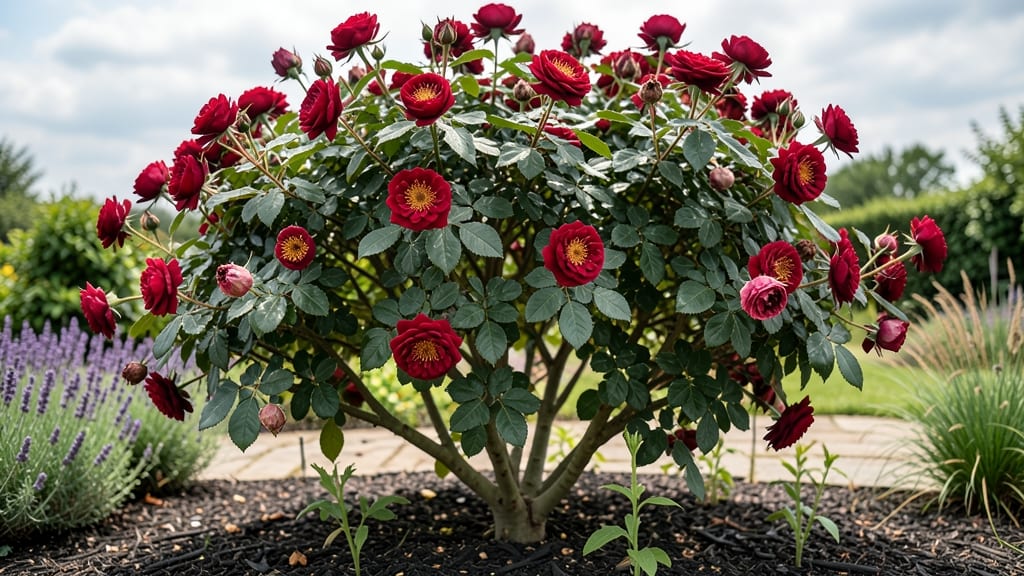
The world's biggest rose bush isn't just a plant—it's a living sculpture that steals every show. 🌹 I've seen these giants draped over trellises, arching through gardens like a floral waterfall, and the way they transform a space is pure magic.
They don't just grow—they command attention, turning ordinary yards into storybook landscapes.
These architectural marvels need three pruning secrets to stay year-round grand without becoming unruly. The first? Prune in late winter when buds are just swelling—this encourages a bushy, rounded shape that looks intentional, not wild.
Second, never cut more than one-third of the plant at once, or you risk shocking it into dormancy. Third, train the canes to spread horizontally by gently bending and securing them—this creates that dramatic, cascading effect.
Imagine your garden's centerpiece: a rose bush so massive it provides shade, fragrance, and a romantic canopy for summer picnics. The visual impact is like nothing else—think of the famous "Giant Rose" at the Royal Botanical Gardens in Canada, which spans 30 feet across.
Even smaller versions (10-15 feet) make a statement, especially when paired with complementary plants like clematis or climbing hydrangeas.
For inspiration, look to other oversized garden elements: giant pumpkins, towering sunflowers, or even a carefully placed ancient oak. The key is balance—let your rose bush be the star, but surround it with supporting actors that highlight its grandeur.
Start small with a dwarf variety if you're new to this, then scale up as you master the pruning tricks.
📚 In This Guide
- What you need
- Instructions
- Tips and common mistakes
- Wrapping up and next steps
What you need
- ● Rose Bush: Start with a hardy, vigorous variety like ‘El Capitan’ or ‘Double Delight’—these are known for their massive growth potential. Purchase a 1-year-old bare-root rose (or a potted rose with a thick stem) from a reputable nursery.
- ● High-Quality Soil: 6–8 cubic yards of well-draining, nutrient-rich soil mix. Combine: 60% topsoil
- ● 30% compost
- ● 10% perlite or coarse sand
- ● Fertilizer: Slow-release rose fertilizer (e.g., Espoma Rose-Tone) – 5 lbs
- ● Organic compost tea (for foliar feeding) – 1 gallon
- ● Mulch: 2–3 cubic yards of wood chips or straw to retain moisture and regulate temperature.
- ● Pruning Shears: Bypass pruners (for clean cuts) – 1 pair (e.g., Fiskars Ergo)
- ● Loppers: For thicker branches – 1 pair (rated for 2-inch cuts)
- ● Pruning Saw: For stubborn, thick stems – 1 (e.g., Felco F-2)
- ● Grafting Knife: If grafting new canes – 1
- ● Garden Gloves: Heavy-duty, cut-resistant – 1 pair
- ● Measuring Tape: To track growth – 1
- ● Stakes & Twine: For support (if needed) – 10–15 stakes (4–5 ft tall) + 50 ft twine
- ● Rose Trellis or Arbor: For vertical growth support (e.g., 8–10 ft tall)
- ● Drip Irrigation System: To ensure consistent moisture (especially in hot climates)
- ● Epsom Salt: For magnesium boost (mix 1 tbsp per gallon of water)
- ● Plant Growth Regulator: (e.g., Paclobutrazol) to control excessive growth if needed
Step-by-Step guide to cultivating a monumental rose bush
Here's how to coax a rose bush into legendary proportions with precise timing and technique.
🌿 Step 1: Select and Plant the Right Rose Variety
Choose a climbing rose variety like 'New Dawn' or 'Blaze'—these grow 15-25 feet with proper care. Plant in full sun (6+ hours daily) and dig a hole twice as wide as the root ball but only as deep as the container's base. This prevents stem burial, which invites rot.
Amend the native soil with compost to improve drainage and fertility. The root ball should sit 1-2 inches above ground level—this ensures water doesn't pool around the base. Water deeply immediately after planting to eliminate air pockets and encourage root expansion.
✂️ Step 2: Implement the "Three-Cut" Pruning System
Prune three times annually for maximum growth: late winter (before buds swell), early summer (after first flush of blooms), and fall cleanup. In late winter, remove dead, crossing, or inward-growing canes first—these compete for energy. Cut at a 45-degree angle just above an outward-facing bud.
After the first summer blooms fade, prune again to encourage lateral branching. Trim back one-third of the oldest canes to stimulate new growth. This is where the bush gains density—watch for new shoots emerging from the base within weeks. These will form the bush's structural framework.
🌱 Step 3: Feed and Water for Massive Growth
Apply a balanced rose fertilizer (10-10-10) every 6 weeks during growing season, paired with organic compost in spring. Roses are heavy feeders, but over-fertilizing leads to weak stems. Look for dark green, glossy leaves—this signals proper nutrition. If leaves yellow, flush the soil with water to prevent salt buildup.
Water deeply 2-3 times weekly during dry spells, ensuring 1-2 inches of moisture reaches the root zone. Mulch with 3 inches of organic mulch (like shredded bark) to retain moisture and regulate soil temperature. Avoid wetting foliage—this invites fungal diseases like black spot.
☀️ Step 4: Train and Support the Climbing Structure
Install a strong trellis or arbor (at least 8 feet tall) before planting. Roses need physical support to grow upward—without it, canes flop and break. Tie new growth to the trellis with soft plant ties every 6-8 inches as it elongates. Never use wire or anything that can cut into the stems.
Rotate the trellis quarter-turn weekly to ensure even sunlight exposure. You'll see the bush thicken from all sides, creating a balanced, lush canopy. Prune any canes that grow horizontally—these won't contribute to vertical growth. The goal is continuous upward expansion with minimal deadheading.
⏰ Step 5: Overwinter for Long-Term Expansion
In fall, apply a 4-inch layer of mulch around the base to insulate roots. Prune back wilted canes but leave healthy, dormant stems—these will sprout fresh growth in spring. Wrap the trellis (not the rose) with burlap if winter temps drop below 15°F to protect tender canes from windburn.
Resist the urge to prune heavily in winter—this is when the bush stores energy for next year's growth. By spring, you'll see new shoots emerging from the base, signaling the bush is expanding its root system. This is the secret to year-round grandeur—patience and minimal winter intervention.
Tips & tricks for cultivating a monumental rose bush
Between us, these are the secrets I've learned after watching my own climbing roses reach 20 feet—without any special tricks, just smart timing and attention to detail.
Pruning Precision: When you're implementing the three-cut system in Step 2, focus on making clean cuts at the exact 45-degree angle just above an outward-facing bud. This isn't just about aesthetics—it's how you encourage the bush to grow in the direction you want. I use a sharp pair of pruners and make the cut about 1/4 inch above the bud to prevent water from pooling and causing rot. The angle also helps direct new growth upward, which is crucial for that vertical expansion we're after.
Soil Science: In Step 1, when amending your soil with compost, don't just dump it in—mix it thoroughly with the native soil to create a 12-inch-deep nutrient-rich zone. The root ball should sit 1-2 inches above ground level to prevent waterlogging, but the surrounding soil should be loose and well-draining. I've seen roses planted too deep struggle with poor air circulation at the base, which leads to fungal issues. Think of it like creating a sponge that holds moisture but doesn't drown the roots.
Watering Wisdom: The 2-3 times weekly watering schedule in Step 3 works best if you water deeply each time, ensuring that 1-2 inches of moisture reaches the root zone. I use a rain gauge or tuna can to measure—when it's empty after a watering, you've hit the mark. The key is consistency: shallow watering encourages shallow roots, which won't support that massive growth we're aiming for. Water in the morning so the foliage has time to dry, reducing the risk of black spot.
Winter Protection: When temperatures drop below 15°F in Step 5, focus on protecting the trellis structure rather than the rose itself. Wrap the trellis in burlap to create a windbreak, which prevents the delicate canes from whipping in the cold winds. I've seen roses survive -10°F temperatures when properly protected this way. The mulch layer you apply should be 4 inches thick—this insulates the roots while allowing them to breathe. The less you disturb the bush in winter, the more energy it will have stored for spring's explosive growth.
Pro Tips for Worlds Biggest Rose Bush
- Between us, these are the secrets I've learned after watching my own climbing roses reach 20 feet—without any special tricks, just smart timing and attention to detail.
- Pruning Precision: When you're implementing the three-cut system in Step 2, focus on making clean cuts at the exact 45-degree angle just above an outward-facing bud.
- Soil Science: In Step 1, when amending your soil with compost, don't just dump it in—mix it thoroughly with the native soil to create a 12-inch-deep nutrient-rich zone.
Frequently asked questions
Curious about the world's biggest rose bush and how to keep yours thriving? Here are some common questions—and answers—to help you grow a stunning, oversized rose bush of your own!
How often should I prune a giant rose bush?
Prune your giant rose bush twice a year: once in late winter (before new growth starts) and again in early summer (to shape and encourage blooms). For the world’s biggest varieties, like the ‘El Capitan’ rose, avoid heavy pruning—focus on removing dead wood and thinning crowded branches to maintain airflow and size.
When is the best time to plant a giant rose bush?
The ideal time to plant is in early spring or fall, when temperatures are mild. Giant roses need time to establish deep roots before winter or summer stress sets in. Choose a spot with 6+ hours of sunlight and well-draining soil. If planting in summer, water deeply daily for the first 2–3 weeks to help it recover.
How much water does a giant rose bush need?
Giant rose bushes require 1–2 inches of water per week, especially during their first year. Water deeply at the base (not the leaves) to encourage strong root growth. Mulch around the base to retain moisture, but keep mulch 3–4 inches away from the stem to prevent rot. In hot climates, water every 2–3 days during dry spells.
Can I grow a giant rose bush in a container?
Yes, but it requires extra care! Choose a container at least 20+ gallons with drainage holes and use a high-quality potting mix. Giant roses in pots need frequent watering and fertilizing (every 2–4 weeks with a balanced rose fertilizer). Expect slower growth compared to in-ground plants, but with proper support (like a sturdy trellis), it’s doable!
What should I do if my giant rose bush isn’t blooming?
Lack of blooms often stems from over-pruning, poor nutrition, or shade. Check these fixes:
- Fertilize: Use a phosphorus-rich fertilizer in spring to encourage flowers.
- Prune less: Heavy pruning can reduce blooms—stick to shaping, not drastic cuts.
- Sunlight: Ensure it gets full sun (6+ hours/day).
- Deadhead: Remove spent blooms regularly to promote new growth.
Wrapping up and next steps
The world’s biggest rose bush isn’t just a stunning sight—it’s a testament to patience, skill, and the magic of proper pruning! 🌹 With the right techniques, you can cultivate your own thriving rose garden that blooms year-round.
Whether you’re a seasoned gardener or just starting, these three pruning tricks will set you on the path to success.
Now that you’re armed with knowledge, roll up your sleeves and get pruning! Start small—pick a single rose bush, gather your tools, and put these tips into action. Before you know it, your garden could be the talk of the neighborhood. Happy gardening! 🌱