
Diseases
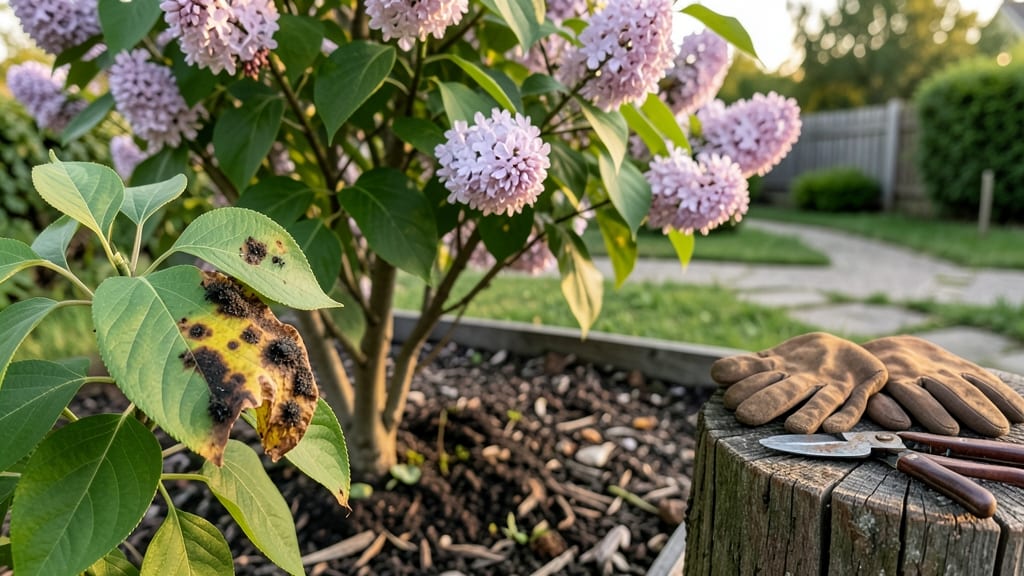
Your lilac bush 🌸 is fighting a silent battle against blight, and those dark spots or powdery coatings aren’t just cosmetic—they’re a warning sign your plant’s health is at risk.
Imagine waking up one morning to find your once-vibrant lilac leaves curled, spotted, or covered in a fuzzy white film.
That’s not just bad luck—it’s often fungal blight spreading faster than you think, and without the right moves, it can turn your prized shrub into a shadow of its former self.
Good news: catching blight early gives you the upper hand. In this guide, I’ll walk you through how to spot the symptoms (yes, even the sneaky ones), the best organic and chemical treatments to stop it in its tracks, and pruning tricks that keep your lilac thriving for years.
Whether you’re dealing with powdery mildew, botrytis, or bacterial leaf spot, you’ll learn how to save your bush—and keep it from becoming next year’s cautionary tale.
How to identify lilac blight: symptoms, types, and early warning signs
If your lilac bush shows sudden leaf discoloration or mushy stems, blight may already be taking hold. These fungal diseases thrive in damp conditions, often going unnoticed until your plant’s health plummets. I’ve seen powdery mildew turn entire bushes into skeletal remains within weeks if left untreated.
Blight on lilac bushes rarely appears overnight—it’s a slow, creeping threat. The key to saving your plant lies in recognizing these early warning signs before they escalate.
Misdiagnosing blight as nutrient deficiency or pest damage can cost you your lilac’s life, so let’s break down the visual symptoms and progression patterns of the most common types.
Powdery mildew is the most frequent culprit, appearing as a white powdery coating on leaves, while botrytis blight causes brown, mushy spots that ooze in damp weather. Bacterial leaf spot, though less common, creates water-soaked lesions that expand rapidly. Each type demands a different approach, so accurate identification is critical.
| Blight Type | Early Symptoms | Advanced Signs | Key Differentiator |
|---|---|---|---|
| Powdery Mildew | White, powdery spots on top of leaves | Leaves yellow, curl, and drop prematurely | Fuzzy white coating (like dust) |
| Botrytis Blight | Small, water-soaked brown spots | Gray mold appears on stems and flowers | Mushy texture and foul odor |
| Bacterial Leaf Spot | Tiny, dark spots with yellow halos | Leaves develop large, irregular brown patches | Black, raised lesions on stems |
I always check the leaf undersides first when inspecting lilacs for blight. Powdery mildew often starts there, creating a white, cottony layer that spreads upward. If you see this, act fast—this fungus doubles in severity every 7-10 days in humid conditions.
The good news? It’s the easiest to treat if caught early.
For botrytis blight, look for dark, sunken lesions on both leaves and stems. Unlike powdery mildew, this blight thrives in wet, shaded areas and often attacks flower buds first.
I’ve seen entire lilac blooms turn to mush overnight during rainy springs. The key is to remove infected flowers immediately to prevent spore spread.
Bacterial leaf spot is the sneakiest—it starts with tiny black specks that expand into greasy-looking patches. Unlike fungal blights, bacterial infections often appear suddenly and spread via water splashes or contaminated tools. If you notice black streaks on stems, quarantine the plant immediately.
The biggest mistake I see gardeners make is waiting too long to act. By the time leaves turn completely brown or stems collapse, the blight has already spread to the roots.
Early detection means pruning infected branches before spores infect healthy tissue. Always sterilize your pruners with rubbing alcohol between cuts.
Another red flag? Premature leaf drop in spring or summer. Healthy lilacs hold their foliage until fall, so if you see excessive defoliation, blight is likely the culprit.
Combine this with stunted new growth, and you’ve got a full-blown infection on your hands. The sooner you intervene, the better your lilac’s chances of recovery.
Don’t rely on visuals alone—sometimes blight hides beneath the surface. Scrape a small section of infected tissue onto a white plate. If you see black specks (fungal spores) or slime trails (bacterial ooze), you’ve confirmed the diagnosis.
This simple test can save you from misdiagnosing nutrient deficiency or pest damage.
Remember: prevention is easier than cure. Once blight takes hold, even aggressive treatments may fail. Next time, we’ll cover step-by-step treatment plans to revive your lilac bush—starting with organic fungicides and pruning techniques that stop the spread in its tracks.
Step-by-step treatment plan: organic and chemical solutions to eradicate blight
When you spot blight on your lilac bush, time is critical to stop the spread. The first 48 hours can make the difference between saving your plant and losing it entirely. Start by removing infected leaves and branches—don’t compost them!
Toss them in the trash or burn them to prevent spores from reinfecting your garden. Use sterilized pruners to avoid cross-contamination between healthy and diseased parts.
Next, focus on fungicide treatments. Organic options like neem oil or copper fungicide are effective for mild cases. For severe infections, consider a chemical fungicide like chlorothalonil, but always follow label instructions to avoid harming beneficial insects or nearby plants.
Apply sprays in the early morning or evening when humidity is high for better adhesion.
🌿 Step-by-Step Blight Treatment Plan
- Step 1: Prune infected areas—cut 6 inches below visible blight spots using sterilized tools (rubbing alcohol or bleach solution). Dispose of clippings in sealed bags.
- Step 2: Apply organic fungicide—spray neem oil (1 tbsp per gallon of water) or baking soda mix (1 tbsp baking soda + 1 tbsp oil + 1 gallon water) on both sides of leaves and stems.
- Step 3: Improve air circulation—thin out dense foliage and avoid overhead watering to reduce humidity around the bush.
- Step 4: Reapply treatments every 7-10 days for 4-6 weeks, even if symptoms disappear. Consistency is key!
- Step 5: Boost soil health—add compost or organic mulch (2-3 inches) to improve drainage and prevent future fungal growth.
For severe blight outbreaks, professional intervention may be necessary. A local arborist can assess the damage and recommend stronger treatments like systemic fungicides, which work internally to protect your lilac. This option costs $150-$300 but guarantees faster results for large or valuable bushes.
Long-term prevention starts with soil health. Test your soil’s pH (aim for 6.0-7.0) and amend it with compost or sulfur if needed. Avoid overwatering—water at the base in the morning to let foliage dry quickly, reducing fungal spores’ chances to thrive.
Monitor your lilac weekly for new symptoms. Healthy lilacs should have vibrant green leaves and no powdery residue. If you notice repeated infections, consider replacing the bush or moving it to a sunnier, drier location where air flows freely.
With persistence, your lilac can bounce back—I’ve revived bushes that looked hopeless with just these steps! The key is acting fast and staying consistent. Your efforts will pay off with fragrant blooms next spring. 🌸