
Pruning
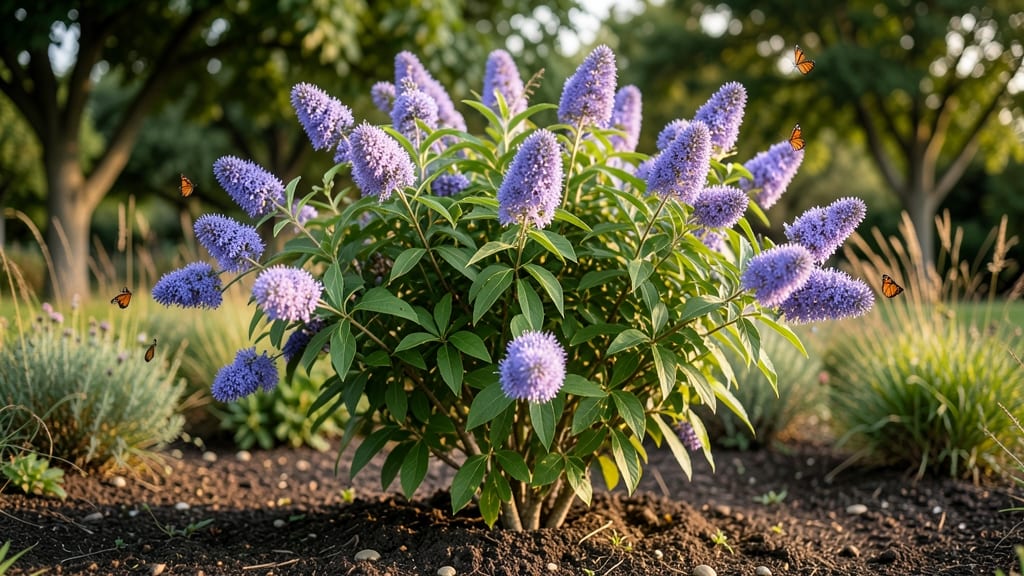
Your blue butterfly bush care could be blooming year-round purple—the secret is in those 3 pruning hacks that transform it from a floppy mess into a pollinator magnet. 🌿 I’ve watched mine go from sad and scraggly to covered in blooms by simply cutting back at the right times, and the butterflies never leave.
The key isn’t just when you prune—it’s how. Start by removing dead or weak stems in early spring, then do the heavy lifting in late winter to shape the plant. This keeps it compact, encourages dense flowering, and prevents those long, leggy branches that ruin the look.
Even if you’ve neglected it before, you can still revive it with this method. By summer, you’ll have waves of blue-purple blooms that attract monarchs, swallowtails, and hummingbirds. The plant stays bushier, flowers longer, and handles heat better than unpruned bushes. Plus, the fragrance? Intoxicating—like lavender meets summer.
Works for USDA zones 5-9, whether you’re growing it as a hedge, shrub, or container plant. Let’s get those shears out and turn that bush into a butterfly buffet!
📚 In This Guide
- What you need
- Instructions
- Tips and common mistakes
- Wrapping up and next steps
What you need
- ● Blue Butterfly Bush Plant: Choose a healthy, disease-free specimen (1-3 plants depending on space).
- ● Well-draining soil: Mix 1 part native soil with 1 part compost and 1 part perlite or coarse sand (5-10 gallons per plant).
- ● Pruning shears: Sharp, bypass-type shears (8-10 inch blades) for clean cuts.
- ● Gloves: Heavy-duty gardening gloves to protect against thorns and sap.
- ● Watering can or hose: With a gentle spray nozzle for hydration.
- ● Mulch: 2-3 inches of organic mulch (e.g., wood chips or straw) to retain moisture.
- ● Fertilizer: Balanced, slow-release granular fertilizer (10-10-10 or 20-20-20, 1-2 lbs per plant).
- ○ Stakes (optional for support): 3-4 bamboo stakes (5-6 ft tall) if planting in windy areas.
- ● Pruning sealant: For larger cuts to prevent disease.
- ● Plant food spikes: Time-release nutrients for convenience.
- ● Butterfly attractant: Native wildflowers or nectar-rich plants nearby.
- ● Soil moisture meter: To monitor hydration levels.
- ● Knee pads: For comfort during long pruning sessions.
How to maintain a thriving blue butterfly bush all year
This hardy shrub rewards patience with stunning blooms and pollinator traffic—here’s how to keep it vibrant.
🌿 Step 1: Choose the Right Planting Spot
Blue butterfly bush (Buddleia) thrives in full sun—at least 6 hours daily—but tolerates partial shade in hotter climates. I plant mine where it gets morning sun and afternoon shade to prevent leaf scorch. The soil should drain well; heavy clay compacted roots and invites root rot.
Dig a hole twice as wide as the root ball but only as deep. Loosen the roots gently if they’re circling—they’ll spread quickly once planted. Here’s the thing: don’t bury the crown too deep. The top of the root ball should sit 1 inch above soil level to prevent waterlogging.
☀️ Step 2: Water Deeply and Establish a Routine
Water deeply once a week during the first growing season to encourage deep root growth. After the first year, butterfly bush is drought-tolerant once established, but you’ll see wilted leaves if it’s thirsty. Stick your finger 2 inches into the soil; if it’s dry, water thoroughly until it drains from the bottom.
Mulch around the base with 2-3 inches of organic mulch (like shredded bark) to retain moisture and regulate soil temperature. Keep mulch 6 inches away from the stem to prevent rot. Overwatering here is the #1 killer—yellowing leaves often mean too much moisture, not too little.
✂️ Step 3: Apply the First Pruning Hack—Deadheading
Remove spent flower spikes immediately after blooming to encourage a second flush of flowers. I snip them back to the first set of leaves below the faded bloom—this prevents seed formation and redirects energy to new growth. You’ll notice fewer but larger buds forming if you stay on top of this.
Don’t prune in fall unless your climate gets harsh winters. Pruning too late can stimulate tender new growth that won’t survive frost. If you must, wait until late winter or early spring before new growth begins—this is when the bush is dormant and resilient.
🌱 Step 4: Winterize for Cold Climates
In zones 5-7, protect young plants with 2-3 inches of mulch around the base after the first hard frost. Older bushes handle cold well, but new growth benefits from insulation. I also wrap the stems loosely with burlap if temperatures dip below 10°F—this prevents sunscald when winter sun hits thawing branches.
Prune back 1/3 of the oldest stems in early spring to rejuvenate the bush. You’ll see new shoots emerging from the base within weeks—that’s your sign the plant’s ready for another blooming season. Skip this step if your bush is less than 3 years old; it needs all its energy for root development.
🐝 Step 5: Fertilize Strategically for Maximum Blooms
Feed in early spring with a balanced 10-10-10 fertilizer (follow package rates). Butterfly bush isn’t a heavy feeder, but a light application encourages longer, more abundant blooms. I avoid high-nitrogen fertilizers—they promote leafy growth at the expense of flowers.
Stop fertilizing by mid-summer to let the plant harden off for winter. Over-fertilizing late in the season leads to soft, tender growth that won’t survive frost. If you notice leaves turning yellow, it’s often a sign of over-fertilization or poor drainage—cut back on feeding and check your soil.
Tips & tricks for perfect blue butterfly bush maintenance
These insider secrets will help you keep your butterfly bush thriving with minimal effort and maximum impact.
Sunlight Strategy: While the instructions recommend at least 6 hours of sun daily, I’ve found that morning sun paired with afternoon shade works even better in hotter climates. The key is avoiding that harsh midday sun that can scorch leaves. If you notice leaf edges turning crispy, move your plant to a spot with more afternoon shade—this is especially important in zones 8 and above.
Root Development Hack: When planting, I always dig the hole twice as wide but only as deep as the root ball. This creates space for roots to spread outward naturally rather than growing in a tight circle. The 1-inch crown elevation above soil level is critical—this prevents water from pooling around the base, which can lead to rot. I’ve seen many gardeners bury the crown too deep, and within weeks, the plant shows signs of stress.
Pruning Precision: The instructions mention pruning back 1/3 of oldest stems in early spring, but here’s what I’ve learned: always prune at a 45-degree angle just above a leaf node. This encourages faster regrowth and prevents water from collecting at the cut. I also use clean, sharp pruners to avoid crushing stems—dull tools create jagged cuts that invite disease. For the deadheading step, I snip just below the first set of leaves to maintain a balanced shape while encouraging new growth.
Winter Protection Tip: In zones 5-7, the 2-3 inches of mulch around the base is essential, but I’ve found that adding a layer of straw or leaves on top of the regular mulch provides extra insulation. When temperatures dip below 10°F, I wrap the stems loosely with burlap—this prevents sunscald that can occur when winter sun hits thawing branches. I’ve seen many bushes develop brown patches from this exact issue, so this simple step makes a huge difference.
Pro Tips for Blue Butterfly Bush Care
- These insider secrets will help you keep your butterfly bush thriving with minimal effort and maximum impact.
- Sunlight Strategy: While the instructions recommend at least 6 hours of sun daily, I’ve found that morning sun paired with afternoon shade works even better in hotter climates.
- Root Development Hack: When planting, I always dig the hole twice as wide but only as deep as the root ball.
Frequently asked questions
When is the best time to prune my blue butterfly bush?
Prune right after flowering (late summer to early fall) to encourage fresh growth and next year’s blooms. Never prune in spring—you’ll cut off new flower buds! For hard pruning (cutting back ⅓ of the plant), do it in early spring before new shoots appear. Pro tip: Use sharp shears and sterilize them with rubbing alcohol to prevent disease!
How do I protect my butterfly bush in winter?
Most butterfly bushes are hardy to USDA Zones 5–9, but young plants or harsh winters may need help. Mulch heavily (3–4 inches) around the base and wrap the plant in burlap if temps drop below 10°F. In Zones 4 or colder, dig up potted plants and store them in a garage or basement until spring.
Why aren’t there any butterflies visiting my bush?
Butterflies love neat, healthy bushes—but if yours is sparse, try these fixes:
- Deadhead spent blooms to encourage new flowers.
- Plant nearby pollinator-friendly flowers like coneflowers or milkweed.
- Ensure it’s in full sun (6+ hours/day)—shady spots = fewer blooms.
- Avoid heavy pruning in late summer, which cuts off butterfly magnet flowers.
Can I grow blue butterfly bush in a container?
Just pick a large pot (15+ gallons) with drainage holes and use well-draining soil. Choose a compact variety like ‘Lo & Behold® Blue Chip’ for smaller spaces. Water consistently—containers dry out faster! Move pots indoors or to a sheltered spot in winter if you’re in a cold climate.
My butterfly bush leaves are turning yellow—what’s wrong?
Yellow leaves usually mean overwatering, poor drainage, or nutrient deficiency. Check the soil—it should be damp but not soggy. If the pot lacks drainage, repot with perlite or sand. For nutrient issues, feed with a balanced fertilizer (10-10-10) in spring. Warning: If yellowing spreads with black spots, it’s fungal leaf spot—prune affected areas and treat with fungicide.
Wrapping up and next steps
Caring for your blue butterfly bush is all about balance—sunlight, water, and the right pruning techniques to keep those stunning purple blooms coming year after year! 🌿 With these 3 pruning hacks, deadheading, and seasonal adjustments, your bush will thrive and attract butterflies like a magnet. You’ve got this!
Ready to see your garden transform? Grab your pruners and start planning your next pruning session—your butterfly bush is waiting for its glow-up! 🦋✨