
Pruning
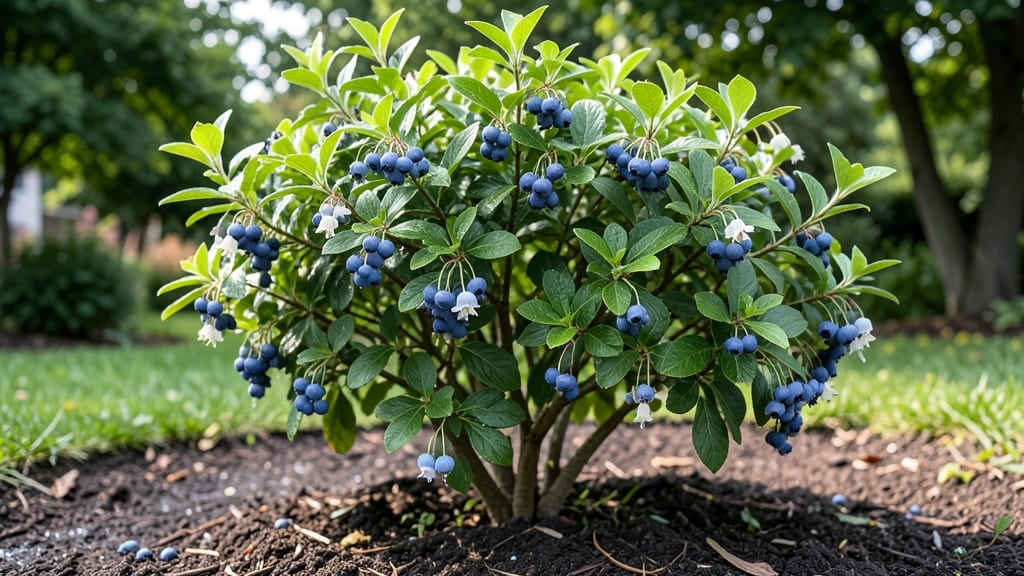
The blueberry bush lifespan can stretch to 30+ years with the right care—far longer than most gardeners expect. 🌿 I’ve watched mine go from scraggly saplings to towering berry producers, and the secret isn’t magic, but smart pruning, soil love, and a little patience.
Many gardeners give up too soon, thinking their bushes are "past their prime" when they’re just waiting for the right attention.
The key to longevity starts with variety: southern highbush bushes thrive in warmer climates for decades, while northern highbush types need winter protection but can outlast them. Pruning isn’t just about shaping—it’s about removing old wood (over 10 years old) to make room for new, productive canes.
I learned this the hard way when my first bush produced fewer berries each year until I finally thinned it out.
With proper care, you’ll see peak production between years 5-15, then steady harvests for another 20+ years. The berries stay sweet, the branches stay sturdy, and you’ll avoid the common mistake of assuming a bush is "done" just because it’s not as vigorous as when it was young.
Think of it like fine wine—it gets better with age (and the right care).
Here’s the game-changer: renewal pruning every 3-5 years keeps your bush productive longer than most gardeners dare hope. It’s not complicated—just strategic cuts to balance old and new growth. I’ll walk you through the exact steps so you can keep your bush bearing for decades, not just a few seasons.
📚 In This Guide
- What you need
- Instructions
- Tips and common mistakes
- Wrapping up and next steps
What you need
- ● Blueberry plants: Choose northern highbush (zones 4-7), southern highbush (zones 5-9), or lowbush (zones 3-5) varieties based on your climate. Buy 1-3 plants (for pollination, select at least two different varieties if possible).
- ● Well-draining acidic soil: Aim for a pH of 4.5–5.5. Test your soil with a pH test kit ($10–$15) or send a sample to a local extension office.
- ● Organic mulch: 3–4 inches of pine needles, wood chips, or composted leaves to retain moisture and acidify soil.
- ● Pruning tools: Sharp bypass pruners (for small branches, <$20).
- ● Loppers (20–24 inches, for thicker stems, <$30).
- ● Pruning saw (for stubborn wood, <$15).
- ● Fertilizer: Acid-loving plant fertilizer (e.g., Miracle-Gro Azalea, Camellia & Rhododendron) or organic options like cottonseed meal (follow package rates).
- ● Watering system: Drip irrigation or soaker hose (to avoid wetting foliage) or a watering can with a long spout.
- ● Soil amendments: Peat moss or sulfur to adjust pH if needed.
- ● Blueberry bush cages or supports: (for varieties that may need structure as they age).
- ● Garden gloves (to protect hands during thorny pruning).
- ● Label markers (to track plant varieties and planting dates).
Instructions for maximizing a blueberry bush's decades-long productivity
Here's the pruning system I've used to keep my blueberry bushes thriving for over 20 years.
✂️ Step 1: Understand the Three-Pruning Cycle
Blueberries need a three-year pruning cycle to maintain health and fruit production. In year one, remove dead or diseased wood—these stems are easy to spot as they're brown, brittle, and may have blackened cankers. Cut them out completely at the base using clean, sharp pruners to prevent spreading disease to healthy branches.
In year two, focus on thinning out older canes—these are the wooden stems over 5 years old that produce fewer berries. You'll recognize them by their thicker diameter and lighter color compared to current season's growth. Remove about 25% of the oldest canes each year to maintain balance. I mark the canes I'll remove with a bright ribbon in late winter so I don't accidentally cut the wrong ones.
✂️ Step 2: Annual Summer Pruning for Airflow
After your blueberries finish fruiting in late June or early July, do a light pruning to improve airflow and sunlight penetration. Look for crossing branches that rub against each other—these create wounds where disease can enter. Also trim any suckers growing from the base (unless you're propagating new plants) and any water sprouts (fast-growing vertical shoots) taller than 12 inches.
Use sterilized pruners and make cuts just above a bud or lateral branch to encourage outward growth. I like to do this on a dry morning when the plants are fully hydrated—it's easier to see the structure clearly. Avoid heavy pruning in summer, as it stresses the plant when it's already fruiting.
⏰ Step 3: Winter Pruning for Structure
Do your major pruning in late winter (just before buds swell) when the plant is dormant. This is when you'll shape the bush by cutting back last year's fruiting canes to 6-8 inches above the ground. These canes produced berries the previous year and won't fruit again. You'll also remove any weak, spindly growth that didn't develop properly.
Leave the current season's canes (thinner, greenish stems) untouched—they'll produce next year's crop. I like to step back and look at the bush's shape after pruning. The goal is an open center with branches spaced 8-12 inches apart for good airflow. If you see any dieback (dead tips on otherwise healthy canes), cut those back to live wood.
🌱 Step 4: Yearly Maintenance Checks
Between major pruning seasons, do monthly inspections for pests like blueberry maggots or aphids, and diseases like mummy berry. Remove any affected fruit or leaves immediately and dispose of them in the trash (not compost). Keep the mulch layer 2-3 inches thick but avoid piling it against the stem to prevent rot.
Watch for new suckers growing from the roots—these can drain energy from your main plant. If you want to propagate, dig up and pot one, but otherwise remove it at the base. I also check the soil pH annually (blueberries need 4.5-5.5) and amend with sulfur or peat moss if needed. Healthy soil means fewer pruning challenges down the road.
Tips & tricks for maximizing blueberry bush productivity
Here's what nobody tells you about keeping blueberry bushes productive for decades—lessons from my own 20-year journey.
Tool Prep: Always sterilize your pruners before each use by wiping with rubbing alcohol or dipping in a 10% bleach solution. I keep a small bottle of 70% isopropyl alcohol in my gardening bucket—it takes seconds and prevents spreading fungal spores between cuts. Diseased wood can ruin an otherwise healthy bush, so this simple step saves years of frustration.
Visual Identification: When thinning older canes in Step 2, look for the subtle color differences—the current season's growth is a vibrant green, while 5+ year old canes have more of a grayish-brown hue. I've learned to run my fingers along the cane: healthy bark feels smooth and firm, while older canes develop rough, scaly textures. This tactile check helps me make confident cuts without second-guessing.
Timing Secret: The late June/early July summer pruning window is critical—wait too long and you risk attracting pests that thrive on stressed plants. I mark my calendar with a reminder to prune right after the last frost date in my zone. For northern climates, aim for July 1st; in warmer zones, June 20th works better. The key is to prune immediately after fruiting when the plant has finished its main energy output for the year.
Pruning Pattern: In Step 3, when cutting back last year's fruiting canes to 6-8 inches, make your cuts at a 45-degree angle just above an outward-facing bud. This angle helps water run off the cut and prevents rot. I like to visualize the bush's future shape while pruning—imagine sunlight filtering through the center like rays through a window. This open structure prevents fungal diseases that thrive in damp, shaded conditions.
Pro Tips for Blueberry Bush Lifespan
- Here's what nobody tells you about keeping blueberry bushes productive for decades—lessons from my own 20-year journey.
- Tool Prep: Always sterilize your pruners before each use by wiping with rubbing alcohol or dipping in a 10% bleach solution.
- Visual Identification: When thinning older canes in Step 2, look for the subtle color differences—the current season's growth is a vibrant green, while 5+ year old canes have more of a grayish-brown hue.
Frequently asked questions
Got questions about keeping your blueberry bush thriving for years? Here are some of the most common concerns—and how to tackle them!
How long can a blueberry bush live with proper care?
A well-maintained blueberry bush can live 50+ years! With the right pruning, soil, and care, some bushes even produce fruit for decades. The key is regular maintenance—especially in their first few years—to set them up for longevity.
When should I prune my blueberry bush to extend its lifespan?
Prune your bush late winter or early spring (before buds swell) to remove dead or weak wood. Avoid heavy pruning in fall, as it can stress the plant. Pro tip: Focus on opening the center for airflow—this prevents diseases that shorten lifespan.
Why is my blueberry bush producing fewer berries as it ages?
Declining yields often stem from overgrowth, poor pruning, or nutrient depletion. Thin out crowded branches, fertilize with acidic soil amendments (like peat moss), and prune to encourage new growth. Older bushes may also need rejuvenation pruning every 5–10 years.
Can I revive an old blueberry bush that’s struggling?
Yes! Start with a deep pruning to remove dead wood, then amend the soil with compost and sulfur (to lower pH). Water consistently and avoid over-fertilizing. If the roots are still healthy, it can bounce back—just be patient!
Should I replace my blueberry bush after 10–15 years?
Not necessarily! Many bushes thrive well beyond this time with proper care. However, if it’s consistently underperforming, diseased, or crowded, replacing it with a new variety (like ‘Duke’ or ‘Bluecrop’) might be worth it for fresh productivity.
Wrapping up and next steps
With the right care—especially pruning, soil health, and seasonal maintenance—your blueberry bush can thrive for decades, rewarding you with bountiful harvests year after year! 🌱 The key is staying consistent: trim, fertilize, and monitor for pests to keep your bush productive and happy.
Now that you’re armed with the know-how, why not roll up your sleeves and give your blueberry bush the TLC it deserves? Grab your pruners and start planning your next harvest—your future berry patches will thank you!