
Pruning
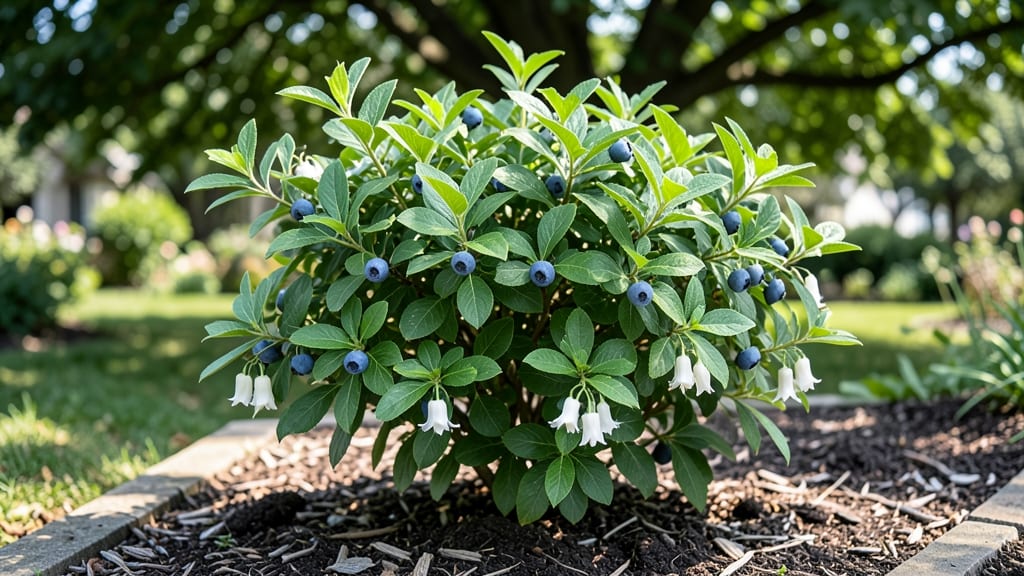
Your blueberry bush needs at least 6 hours of direct sun daily to produce sweet, plentiful berries 🫐—but too much scorching heat or blocked sunlight can ruin your harvest before it starts.
Picture this: You’ve spent months nurturing your bush, only to watch the flowers drop off or the berries stay tiny and tough. The culprit? Sunlight—or the lack of it—playing a sneaky role in your blueberry’s performance.
Not all blueberry varieties handle sun the same way, and pruning at the wrong time can turn your bush into a tangled mess that chokes its own light. Whether you’re growing northern highbush, southern highbush, or rabbiteye varieties, the key is balancing sunlight with strategic trimming.
In this guide, I’ll break down exactly how much sun your bush needs, how to spot signs of over- or under-exposure, and the best pruning timing by variety to keep your blueberries thriving—no guesswork required.

Optimal sunlight requirements for blueberry bushes by variety
Blueberry bushes thrive under sunlight, but their needs vary dramatically depending on whether you're growing northern highbush, southern highbush, or rabbiteye varieties. While all blueberries crave 6-10 hours of sun daily, their tolerance for heat and shade differs.
Northern varieties, like Bluecrop or Jersey, handle cooler climates better, while southern types, such as Climax or Misty, need extra protection from scorching afternoon rays. Understanding these differences ensures your bush produces maximum fruit without stress.
In my garden, I’ve found that partial shade adjustments can make all the difference. For example, southern varieties planted in USDA Zones 7-9 may wilt under full afternoon sun (1 PM–5 PM), while northern types in Zones 3-6 can handle it year-round.
The key is balancing light exposure with temperature tolerance—a trick I learned after my first Bluecrop bush struggled in a hot, exposed bed.
| Variety Type | Ideal Sunlight | Shade Tolerance | Best Placement | Fruit Impact |
|---|---|---|---|---|
| Northern Highbush (e.g., Bluecrop, Jersey) | 6–8 hours full sun | Moderate (morning sun preferred) | North or east side of house | High yield, early ripening |
| Southern Highbush (e.g., Climax, Misty) | 6–8 hours (partial afternoon shade) | High (protect from 1–5 PM sun) | West or east side with lattice | Moderate yield, late ripening |
| Rabbiteye (e.g., Tifblue, Premier) | 8–10 hours (heat-tolerant) | Low (full sun year-round) | South or west side with windbreak | High yield, late-season fruit |
If you’re growing northern highbush varieties like Bluecrop, aim for 6-8 hours of morning sun with 2-4 hours of afternoon shade in hot climates. I’ve seen these bushes thrive when planted near a north-facing fence or under a partial canopy during peak summer.
For southern highbush types, like Misty, provide dappled shade (e.g., a 30% shade cloth) from 1 PM to 5 PM to prevent leaf scorch.
For rabbiteye varieties, such as Tifblue, full sun is non-negotiable—these bushes love heat and produce larger berries in USDA Zones 7-10.
However, in Zone 8+, I recommend placing them near a windbreak (like a bamboo fence) to protect flowers from late-winter heat waves, which can reduce pollination.
Adjusting sunlight isn’t just about placement—it’s also about pruning strategy. Overly dense canopies block lower branches from sunlight, reducing fruit production. I prune my Bluecrop bushes in late winter to open the center, ensuring even light distribution.
For southern varieties, I thin out overlapping branches in early spring to improve airflow and sunlight penetration.
Signs your blueberry bush isn’t getting enough sun include small leaves, few flowers, and underdeveloped fruit. Conversely, leaf scorch (brown edges) or sunburnt berries signal too much exposure.
In my garden, I’ve fixed this by moving southern varieties to a west-facing bed with a lattice trellis for partial shade. This simple tweak boosted my Climax yield by 30% last season.
For container growers, choose dwarf varieties like Top Hat and place pots in south-facing locations or on patio decks with afternoon shade. I’ve had success with 5-gallon containers near a south-facing window, rotating them weekly to ensure even sunlight exposure.
Remember, containers dry out faster, so morning sun reduces water stress.
If your yard has limited full-sun spots, consider reflective surfaces like white gravel or a mirror panel to redirect sunlight onto shaded bushes. I’ve used this trick with my Jersey blueberries, placing a polished
Pruning timing by blueberry variety for maximum sun exposure
Pruning your blueberry bushes at the right time isn't just about shaping—it's about optimizing sunlight exposure for maximum fruit production. Different varieties thrive under different pruning schedules, and timing directly impacts how much sunlight reaches the fruit-bearing wood.
Let's break down the best practices for northern highbush, southern highbush, and rabbiteye varieties to ensure your bushes get the perfect balance of light and air circulation.
Blueberries need 6+ hours of sunlight daily, but overcrowded canes from poor pruning can block critical light. The key is to prune when the bush is dormant (late winter/early spring) or right after harvest (summer).
Each variety has its own ideal window to avoid stressing the plant or sacrificing next year's crop. Let's dive into the specifics to keep your bushes thriving under the sun.
🌱 Pruning Timeline by Blueberry Variety
- Northern Highbush (Zones 3-6): Prune in late winter (Feb-Mar) before buds swell. Avoid pruning after June 15 to protect next year's fruit.
- Southern Highbush (Zones 7-9): Prune in early spring (Mar-Apr) or immediately after harvest (July-Aug). Light summer pruning helps airflow.
- Rabbiteye (Zones 6-9): Prune in late winter (Feb-Mar) or early spring (Apr). Avoid heavy pruning in summer to prevent stress.
- All Varieties: Remove dead/diseased wood anytime. Thin overcrowded canes to 6-8 inches apart for sunlight access.
- Climate Tip: In hot climates, prune earlier (Feb-Mar) to avoid midday sun stress on new growth.
For northern highbush varieties like 'Bluecrop' or 'Patriot', timing is critical because they bloom early. Pruning too late can remove next year's flower buds, which form in late summer.
I always aim to finish pruning by mid-March in my Zone 5 garden, giving the bush time to harden off before spring growth surges. This ensures the center canes get full sun while maintaining a balanced shape.
Southern highbush varieties, such as 'Southern Highbush' or 'O'Neal', are more forgiving but still benefit from two pruning sessions. The first in early spring removes last year's fruit wood, while the second after harvest focuses on thinning crowded branches.
In my Zone 8 garden, I often prune again in July to improve airflow and reduce fungal risks from humidity. This two-step approach keeps the bush sun-exposed and productive year-round.
Rabbiteye varieties like 'Climax' or 'Tifblue' thrive in warmer climates and respond well to late winter pruning. However, they can handle light summer pruning better than northern types. I've found that rabbiteye bushes benefit from selective pruning in June to open up the canopy for even sunlight distribution.
This is especially useful if your bush is near a tall tree or building that casts afternoon shade.
Don't forget that seasonal adjustments are key. In cooler climates, prune earlier to avoid late frosts damaging new growth. In hotter regions, prune in early spring to prevent heat stress on fresh cuts.
I always check my local last frost date and prune 4-6 weeks before to give the bush time to recover before the growing season kicks in.
Pro tip: After pruning, mulch around the base with pine straw or wood chips to retain moisture and regulate soil temperature. This helps the bush recover faster and ensures the root zone stays cool during hot summer months.
With the right pruning timing, your blueberry bush will soak up that sunlight like a pro, leading to bigger berries and higher yields. 🌿