
Pruning
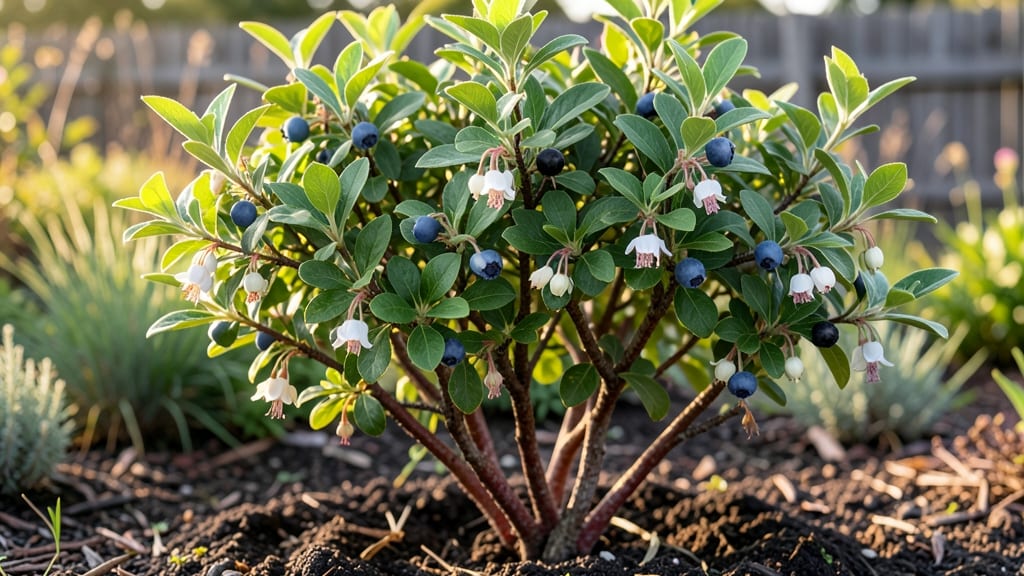
Growing a thriving blueberry bush 🫐 depends on sunlight more than you might think—at least 6 to 8 hours of direct light daily is the sweet spot for maximum fruit production.
Struggling to get your blueberry bushes to produce fruit? Sunlight might be the missing piece—yet too much or too little can ruin your harvest. Whether you're dealing with partial shade from trees or scorching summer rays, getting the balance right is key to plump, juicy berries.
Blueberries are sun-lovers, but they also need protection from the harshest afternoon heat, especially in hotter climates. The right exposure boosts flowering, fruit set, and overall plant health, while poor lighting leads to sparse yields and weak growth.
In this guide, I’ll break down the exact sunlight needs for your blueberry bush 🫐, how to adjust for your climate, and practical tips to ensure your plants get just the right amount—so you can enjoy a bountiful harvest every season.
 Best Window Placement
Optimal sunlight hours for blueberry bushes: the science behind fruit production
Blueberries are one of the most sunlight-dependent fruits, but not all varieties thrive under the same conditions. Understanding the photosynthesis efficiency of your specific blueberry type is key to maximizing fruit production.
Research from the University of Florida shows that 6-8 hours of direct sunlight is optimal for most varieties, but rabbiteye blueberries can tolerate slightly more. Let’s break down the science and how it impacts your harvest.
The chlorophyll activity in blueberry leaves peaks with 6-8 hours of sunlight, directly influencing flowering intensity and berry development. Studies reveal that insufficient light leads to smaller berries and lower yields, while excessive sunlight can cause leaf burn and stress.
Balancing these factors ensures your bushes produce the largest, sweetest berries possible.
Here’s how different blueberry varieties respond to sunlight, including their ideal sunlight ranges and consequences of poor light exposure:
| Variety | Ideal Sunlight | Sunlight Tolerance | Consequences of Insufficient Light |
|---|---|---|---|
| Northern Highbush | 6-8 hours | Moderate shade tolerance | Small berries, sparse flowering |
| Southern Highbush | 7-9 hours | Low shade tolerance | Poor fruit set, weak growth |
| Rabbiteye | 8-10 hours | High heat tolerance | Stunted growth, fewer berries |
| Lowbush (Wild) | 5-7 hours | High shade tolerance | Delayed ripening, smaller harvests |
Northern highbush varieties, like Bluecrop and Jersey, thrive with 6-8 hours of sunlight and can handle partial shade, making them ideal for cooler climates. In contrast, Southern highbush varieties such as Misty and O’Neal demand 7-9 hours of direct sunlight to produce their signature large berries.
If your bushes aren’t getting enough light, you’ll notice smaller berries and fewer flowers the following year.
Rabbiteye blueberries, native to the Southeastern U.S., are the most sunlight-loving variety, requiring 8-10 hours of direct sunlight. These bushes can handle hotter climates but suffer when shaded.
If you’re growing rabbiteye varieties like Climax or Powderblue, ensure they’re planted in the sunniest spot in your garden to avoid poor fruit development.
Lowbush blueberries, often found in wild or naturalized settings, are the most shade-tolerant but still benefit from 5-7 hours of sunlight. They’re perfect for woodland gardens or areas with partial shade from trees.
However, even lowbush varieties will produce smaller berries if deprived of adequate light, so avoid planting them under dense canopies.
The photosynthesis process in blueberries is highly efficient under bright, direct sunlight, but too much can lead to leaf scorch. In hot climates, afternoon shade can protect leaves while still allowing enough light for fruit production.
If your bushes are struggling, consider dappled shade during peak afternoon hours to maintain berry quality.
One common mistake is assuming that more sunlight always means better fruit. While blueberries need plenty of light, intense afternoon sun in summer can stress plants, especially in Zone 8 and above.
A light afternoon shade cloth (30-50% shade) can help maintain berry sweetness and plant health without sacrificing too much light.
To maximize your harvest, monitor your bushes throughout the growing season. If you notice yellowing leaves or small berries, it’s a sign they need more light.
Conversely, brown leaf edges or wilting indicate too much sunlight. Adjusting their position or adding shade can make a huge difference in fruit production.
For container-grown blueberries, place pots in the sunniest location possible, like a south-facing patio or balcony. If your space is limited, consider reflective surfaces like white walls or mirrors to bounce extra light onto the plants.
This trick can boost sunlight exposure by up to 20%, helping your bushes thrive even in small spaces.
Understanding the
How to adjust sunlight for blueberry bushes in different climates
Blueberry bushes thrive with 6-8 hours of sunlight daily, but climate and variety play huge roles in your success. In hot, dry climates, afternoon shade prevents leaf scorch, while cooler northern regions benefit from extended morning sun.
The key is balancing light exposure based on your local microclimate and bush type.
Not all blueberries are created equal—Southern highbush varieties tolerate more heat and sun, while Northern highbush types prefer morning sun with afternoon shade. Even rabbiteye blueberries, native to the Southeast, need protection from intense afternoon rays. Adjusting sunlight isn’t just about hours; it’s about timing and intensity.
🌱
Sunlight Adjustment Solutions for Blueberry Bushes
Full Sun Exposure (6-8 hrs)
- Pros: Maximizes fruit production
- Cons: Risk of leaf burn in hot climates
Morning Sun + Afternoon Shade
- Pros: Prevents heat stress
- Cons: Lower yield potential
Partial Shade (4-6 hrs)
- Pros: Ideal for containers/urban gardens
- Cons: Smaller berries, fewer flowers
Seasonal Adjustments
- Pros: Adapts to summer/winter sun
- Cons: Requires pruning/monitoring
🌳 Shade Solutions: Trees, fences, or shade cloth (30-50%) for afternoon protection
For urban gardens or containers, prioritize morning sun and use reflective surfaces (like white walls) to amplify light. In hot climates, install shade cloth (30-50%) during peak afternoon hours (12 PM–4 PM). This mimics natural dappled light while preventing leaf burn.
Seasonal shifts matter too—winter sunlight is weaker, so position bushes where they’ll catch south-facing light for extended hours. In summer, prune nearby trees to allow morning sun access while blocking harsh afternoon rays. Even dwarf varieties benefit from strategic placement near taller plants.
If your yard lacks ideal sunlight, consider reflective mulch (like white gravel) or light-colored containers to bounce extra light onto leaves. For rabbiteye varieties, partial shade in the hottest months can actually improve flavor while maintaining yield.
🌿