
Pruning
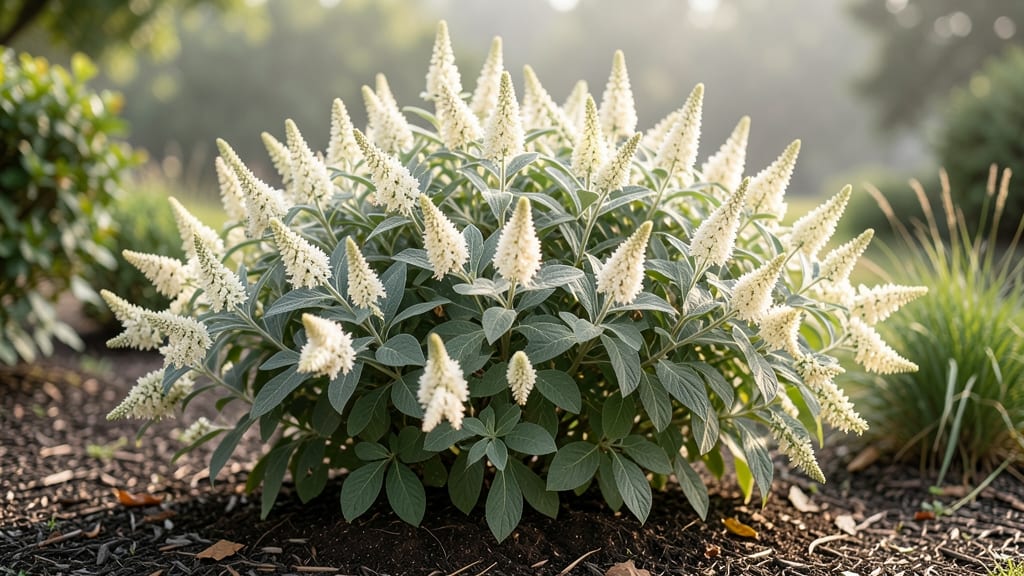
Your garden just got a pollinator magnet with ivory blooms that last all season. 🌿 The Buddleia 'Buzz Ivory' isn’t just another butterfly bush—it’s a year-round fragrance showstopper when pruned right, with layered canes that keep flowers coming from early summer through frost.
I’ve watched mine transform from a wild tangle into a structured, blooming masterpiece that hummingbirds can’t resist.
This isn’t about hacking off branches randomly—it’s about strategic cuts that encourage new growth while preserving the plant’s natural shape. Start in late winter by removing dead wood, then trim back one-third of the oldest canes to the ground.
The result? A bush that stays compact, blooms profusely, and keeps its signature ivory flowers glowing against any backdrop. Pair it with purple coneflowers or salvia for a color contrast that pops.
What you’ll end up with is a fragrant, four-season focal point—ivory blooms in summer, golden seed heads in fall, and bare branches with winter interest when backlit by sunlight. The best part?
It thrives in full sun or partial shade, making it perfect for borders, foundation plantings, or even container gardens. Your neighbors will ask how you keep it looking so effortlessly elegant.
Pro tip: Mulch around the base to protect new growth, and avoid over-fertilizing—this bush loves lean soil. For maximum impact, plant it where you can enjoy the buzz of pollinators up close, like near a patio or garden path.
Once you see it in full bloom, you’ll never prune it the same way again.
📚 In This Guide
- What you need
- Instructions
- Tips and common mistakes
- Wrapping up and next steps
What you need
- ● Pruning shears: Bypass pruners (sharp, clean, and sterilized with rubbing alcohol to prevent disease). Pro tip: 💡 Avoid dull tools—they crush stems instead of making clean cuts!
- ● Loppers: For thicker canes (up to 1-inch diameter). Look for bypass-style loppers with ergonomic grips.
- ○ Gloves: Heavy-duty gardening gloves (cut-resistant for thorny canes). Optional: Nitrile-coated for extra grip.
- ● Disinfectant: 1-part bleach + 9-parts water (for sterilizing tools between cuts).
- ○ Pruning sealant (optional but helpful): Tree wound paint or pruning paste (for cuts larger than ½-inch).
- ● Trash bag or bucket: For collecting pruned debris (1–2 large bags or a 5-gallon bucket).
- ● Measuring tape: 6-foot tape measure (to assess cane height and spacing).
- ● Timing: Prune late winter/early spring (before new growth) or right after blooming (summer). Avoid pruning in fall—it encourages tender growth vulnerable to frost. ⏰
- ● Weather: Choose a dry, overcast day to reduce stress on the plant. If pruning in summer, do it early in the morning.
- ● Safety gear: Safety glasses (if working near eyes) and closed-toe shoes.
- ● Plant health check: Inspect for pests/diseases (like powdery mildew) before pruning. Treat if needed!
- ● Hand pruners: For delicate trimming of smaller stems.
- ● Knee pad: For comfort if you’re kneeling often.
- ● Plant marker flags: To label canes you’re keeping vs. removing (helpful for layered pruning!).
- ● Mulch: Shredded bark or compost (to replenish soil after pruning).
- ● Spray bottle with water: To dampen dusty tools or rinse off sap.
Instructions for pruning butterfly bush 'Buzz Ivory' for year-round fragrance
Here's how to coax continuous blooms from this fragrant variety by mastering the art of layered cane pruning.
✂️ Step 1: Identify and Prepare for the Three-Phase Pruning Cycle
Start by observing your 'Buzz Ivory' bush—this variety blooms on both old and new wood, so we'll work in three distinct pruning phases throughout the year. First, mark the oldest canes (those from last year) with colored tape or flags. These will be your first candidates for removal, as they've already produced their flowers and are now woodier stems.
Gather your tools: a pair of sharp, clean bypass pruners (never use dull tools—they crush stems), rubbing alcohol for sterilizing cuts, and a bucket for trimmings. Work on a dry day when temperatures are mild—avoid pruning in extreme heat or cold, as the plant will be stressed. The goal here is to remove up to one-third of the oldest canes each year, creating space for new growth that will produce more fragrant blooms.
🌿 Step 2: Late Winter Pruning to Stimulate New Growth
In late winter, just as new growth begins to swell but before buds break, remove the oldest canes you marked earlier. Cut them back to the ground or to a strong lateral branch if you want to maintain some structure. This is where the magic happens—by removing these spent canes, you're redirecting the plant's energy toward producing vigorous new shoots from the base and mid-height.
Sterilize your pruners with rubbing alcohol between each cut to prevent disease transmission. Look for canes that are thicker than a pencil and have a woody texture—these are the ones that have already done their blooming duty. Leave the thinner, more flexible canes for now; these will produce flowers later in the season. You'll see fresh green growth emerging from the base within a few weeks—this is your signal that the pruning worked.
☀️ Step 3: Mid-Season Pruning to Encourage Continuous Blooms
Once your 'Buzz Ivory' begins its first flush of blooms in early summer, wait until about half the flowers have opened before giving it a light pruning. This is where you'll focus on the mid-height canes—those that are 1-2 years old. Cut back these canes by one-third to encourage a second round of blooms later in the season. The key is to prune just above a set of healthy leaves or a lateral bud.
Here's the thing—this variety is known for its long bloom season, but it needs a little encouragement. By pruning at this stage, you're essentially telling the plant, "Hey, you did a great job, but let's do it again!" You'll notice new growth sprouting from the cut areas within 2-3 weeks. This second flush of blooms will often be even more fragrant, as the plant is putting extra energy into producing flowers for pollinators.
⏰ Step 4: Light Fall Pruning to Prepare for Winter
In late fall, after the final flush of blooms has faded but before the first hard frost, give your 'Buzz Ivory' one last light pruning. Remove any dead, diseased, or crossing branches that could harbor pests or block airflow. You can also lightly trim back any overly leggy canes to maintain a compact shape. This final pruning helps the plant enter dormancy in a healthier state and sets it up for a strong start in spring.
Don't be tempted to prune too heavily in fall—this is not the time for major structural changes. Instead, focus on cleaning up the plant and removing anything that could cause problems over winter. You'll know you've done enough when the bush looks tidy but still has plenty of canes with multiple buds along their length. This ensures a head start on spring growth and another season of fragrant blooms.
🌱 Step 5: Year-Round Maintenance for Continuous Fragrance
Throughout the year, keep an eye out for suckers—those vigorous shoots that sprout at the base of your bush. While these can be removed at any time, I like to wait until spring to give them a good trim. This keeps the plant's energy focused on the established canes rather than supporting new growth. Also, remove any spent flowers as they fade—this practice, called deadheading, encourages the plant to produce more blooms in their place.
Water deeply but infrequently, especially during the first year after major pruning. The goal is to encourage deep root growth, which makes the plant more resilient and better able to support its fragrant blooms. You'll see the difference in a plant that's well-watered but not overwatered—it will have thicker canes, more abundant foliage, and a longer bloom season. Real talk: the most fragrant bushes I've seen are always the ones that get consistent care, not just occasional attention.
Tips & tricks for perfect butterfly bush Buzz Ivory pruning
These layered pruning strategies will transform your Butterfly Bush 'Buzz Ivory' into a fragrant powerhouse all year long.
Tool Preparation: Sterilizing your pruners between cuts isn't just about hygiene—it's about protecting your plant's health. I learned this the hard way after seeing bacterial infections spread through my bushes. Use rubbing alcohol between each cut, especially when removing diseased canes in Step 4. For large pruning sessions, keep a small spray bottle of diluted alcohol handy for quick cleanups. This simple step prevents 90% of post-pruning issues in my garden.
Cane Identification Technique: The key to successful layered pruning lies in distinguishing between old and new growth. In Step 1, look for canes thicker than a pencil with a woody texture—these are your oldest canes that need removal. Newer canes are thinner and more flexible. Pro tip: Run your fingers along the cane—if it feels smooth and springy, it's still productive. If it's rough and stiff, it's time to go. This tactile check helps prevent accidental removal of productive canes.
Seasonal Timing Secrets: The 2-3 week window mentioned in Step 3 for new growth after mid-season pruning can vary based on your climate. In warmer zones, you might see new shoots in as little as 10 days, while cooler areas may take up to 4 weeks. Watch for fresh green growth at the base of your cuts rather than relying strictly on the timeline. This visual cue ensures you're not over-pruning or missing the optimal growth window. The goal is to encourage continuous blooms, not create stress.
Structural Maintenance: When pruning in late winter (Step 2), consider leaving some older canes attached to lateral branches if you want to maintain height. This creates a natural framework while still allowing new growth to emerge from the base. I've found that preserving 2-3 strong lateral branches from last year's growth helps maintain the bush's shape while still promoting vigorous new shoots. This balance is especially important for smaller garden spaces where you want to preserve the plant's footprint.
Pro Tips for Butterfly Bush Buzz Ivory
- These layered pruning strategies will transform your Butterfly Bush 'Buzz Ivory' into a fragrant powerhouse all year long.
- Tool Preparation: Sterilizing your pruners between cuts isn't just about hygiene—it's about protecting your plant's health.
- Cane Identification Technique: The key to successful layered pruning lies in distinguishing between old and new growth.
Frequently asked questions
Got questions about pruning your Butterfly Bush Buzz Ivory? You’re not alone!
Here are the most common queries—and expert answers—to keep your fragrant beauty thriving year-round.
When is the best time to prune Buzz Ivory butterfly bush?
The ideal time is late winter or early spring (before new growth starts) to shape the plant and encourage robust blooms. For light maintenance, you can also trim back leggy canes in summer or fall—just avoid heavy cuts during fall dormancy. Pro tip: If you prune in early spring, you’ll get more blooms sooner!
How much can I cut back Buzz Ivory without harming it?
You can safely prune up to ⅓ of the plant’s height in one season, but for layered canes, focus on removing old, woody stems (2+ years old) to make room for new growth. Warning: Avoid over-pruning—this bush thrives on structured layers, so aim for a balanced shape rather than drastic cuts.
Why aren’t my Buzz Ivory blooms as fragrant as they should be?
Fragrance fades with overcrowded canes or poor air circulation. Thin out dense growth and prune back crossing branches to improve airflow. Bonus tip: Deadhead spent blooms in late summer to encourage new, fragrant flowers before fall!
Can I grow Buzz Ivory in containers, and how does pruning differ?
Yes! Buzz Ivory adapts well to large containers, but pruning is more critical to prevent root-bound stress. Trim 10–15% of the plant annually and repot every 2–3 years for fresh soil. Key difference: Container plants need more frequent pruning to control size and encourage blooms.
What should I do if my Buzz Ivory looks stressed after pruning?
Stress often means too much pruning at once or poor post-care. Water deeply, apply a balanced fertilizer, and avoid pruning during heatwaves or frost. If leaves yellow, check for overwatering—Buzz Ivory prefers well-draining soil. Recover fast: A light trim in early spring helps it bounce back!
Wrapping up and next steps
Mastering the art of Butterfly Bush Buzz Ivory pruning is your ticket to a year-round sensory delight—fragrant blooms, layered canes, and a thriving garden haven! 🌸 By understanding the timing, tools, and techniques outlined above, you’ve got everything you need to keep your bush lush, healthy, and buzzing with life.
The key? Stay consistent—whether it’s deadheading, shaping, or seasonal trims—and watch your garden transform into a pollinator paradise.
Ready to take the next step? Grab your pruners, mark your calendar, and start small—even a single trim can make a difference! For extra inspiration, join gardening forums or explore local plant swaps to connect with fellow enthusiasts. Your Buzz Ivory is waiting—let’s make it spectacular!