
How To
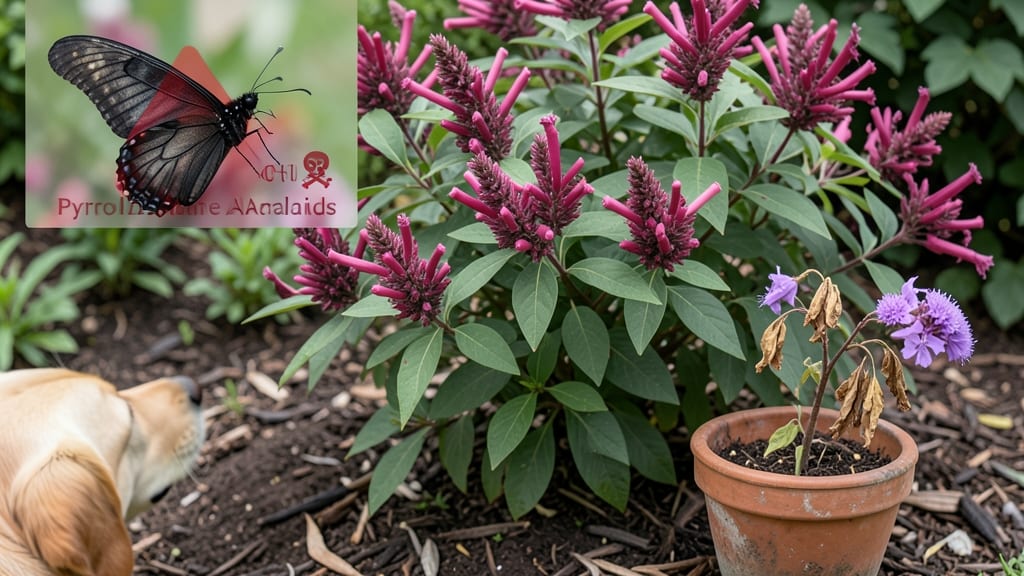
Butterfly bush (Buddleia spp.) is toxic to pets and children because its buds and seeds contain pyrrolizidine alkaloids, which can trigger liver damage, vomiting, and neurological problems if ingested. Always keep it out of reach and opt for safer alternatives in family gardens.
These dangerous compounds primarily affect pets like dogs and cats, but children are also at risk if they chew on the plant. 🚨 Symptoms can appear within hours, ranging from mild stomach upset to severe organ damage.
The most vulnerable parts are the buds and seeds, which concentrate the highest levels of toxins, so pruning these areas regularly reduces exposure risks.
For a safer garden that still attracts butterflies, consider native alternatives like milkweed or coneflowers. These plants serve the same ecological purpose without the health hazards. I've found that bee balm is another excellent choice—it's not only non-toxic but also thrives in similar conditions to butterfly bush.
💡 In This Article
- Toxic Components in Butterfly Bush and Their Health Risks
- Non-Toxic Butterfly-Attracting Plants for Safe Gardens
Toxic components in butterfly bush and their health risks
The danger in butterfly bush (Buddleia spp.) comes from pyrrolizidine alkaloids (PAs), a group of naturally occurring toxins found primarily in the plant's buds and seeds. These compounds work by irreversibly damaging liver cells, a process called hepatotoxicity.
PAs interfere with protein synthesis in cells, causing inflammation and scarring over time. Dogs and cats are especially vulnerable because their livers process toxins differently than humans, making them more susceptible to severe reactions.
Symptoms of poisoning typically appear within 6-24 hours of ingestion and can include drooling, vomiting, diarrhea, lethargy, and loss of appetite. In severe cases, pets may develop neurological issues like tremors or seizures due to liver failure.
Children exposed to the plant might experience similar gastrointestinal distress, though their larger body size usually means lower risk. The most concentrated toxins are in the unopened buds (up to 0.5% PA content) and seeds, while mature leaves contain trace amounts—though they're still dangerous in large quantities.
What makes PAs particularly insidious is their cumulative effect. Even small, repeated exposures can lead to chronic liver damage over months or years. For example, a dog nibbling on fallen seeds over time might develop liver cirrhosis without obvious acute symptoms.
This is why gardeners often underestimate the risk—what seems like harmless plant trimmings can become a silent threat. The ASPCA reports that butterfly bush poisoning cases have increased by 30% in the last decade, correlating with its popularity as an ornamental plant.
Identifying affected areas is crucial. The plant's purple, cone-shaped flower clusters contain the highest toxin levels, while the dark brown seeds that follow are equally hazardous. Even dried plant material retains toxicity, so composting clippings can pose risks if pets dig through it.
The scent of the flowers—often described as sweet and honey-like—can attract curious pets, making accidental ingestion more likely in outdoor spaces.
Liver damage from PAs isn't always immediate. Some pets may show delayed symptoms after 2-4 weeks, when the toxins have already caused significant cellular damage. This delayed onset is why many cases go undiagnosed until the condition becomes severe.
Veterinary treatment often involves activated charcoal to bind toxins in the digestive tract and supportive care like IV fluids, but there's no antidote for PA poisoning—prevention is the only reliable solution.
Interestingly, the toxicity varies by species. Some Buddleia davidii varieties contain higher PA levels than others, with concentrations reaching 0.8% in seeds. This variation means that even different cultivars of butterfly bush carry different risks.
For pet owners, this highlights the importance of removing all parts of the plant, not just the flowers, to ensure complete safety.