
Planting
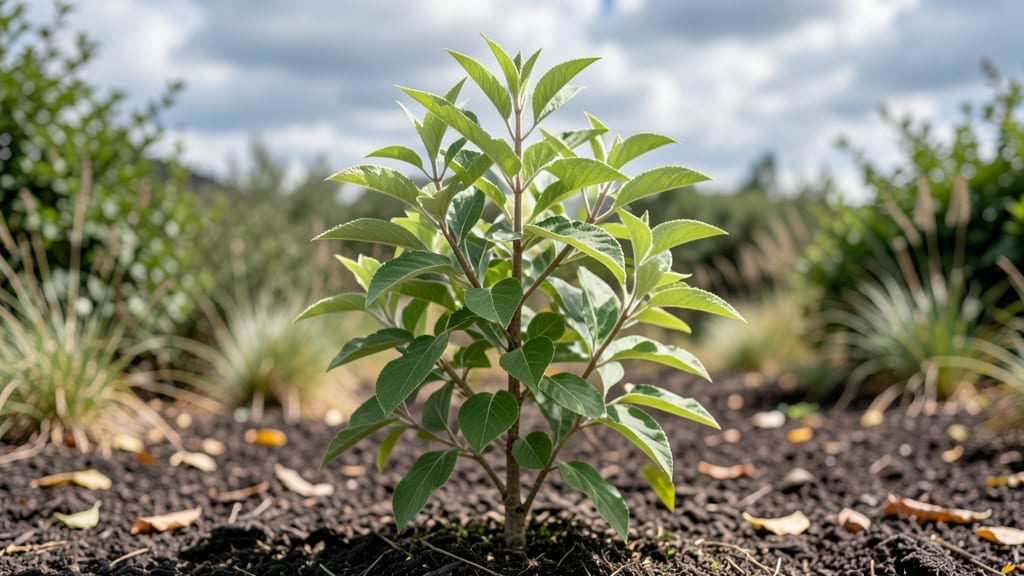
A young butterfly bush grows from a 2-gallon plant to a 10-foot privacy screen in just one season—if you get the early care right. 🌿 I planted mine last spring, and by summer, it was already casting shade and attracting swarms of butterflies.
The key isn’t just sticking it in the ground; it’s about soil prep, watering smarts, and knowing when to prune for that explosive growth. Start with well-draining soil mixed with compost—these plants hate soggy roots.
Water deeply once a week (more in extreme heat) and avoid overhead sprinklers to prevent fungal issues. Most young plants need full sun for 6+ hours daily, but they’ll tolerate partial shade if you’re in a hotter climate.
The first year is all about establishing roots, not blooms—so skip heavy pruning until spring. By summer’s end, you’ll see vibrant purple spikes drawing monarchs, swallowtails, and hummingbirds. The fragrance alone makes it worth the effort, but the real magic happens in year two when it hits full size.
Just remember: prune back by ⅓ in early spring to encourage bushier growth and more flowers. This plant thrives in zones 5-9, so check your frost dates. If you’re in a colder zone, treat it as a tender perennial—bring potted plants indoors or mulch heavily for winter. The payoff?
A low-maintenance, pollinator-friendly screen that outpaces most fast-growing alternatives.
📚 In This Guide
- What you need
- Instructions
- Tips and common mistakes
- Wrapping up and next steps
What you need
- ● Butterfly bush young plant (Buddleja spp.) – Choose a healthy 1- to 2-gallon container-grown plant (e.g., Buddleja davidii or Buddleja alternifolia).
- ● Well-draining potting mix – 5-10 gallons, depending on pot size (use a blend of garden soil, compost, and perlite/sand for aeration).
- ● Garden gloves – A pair to protect your hands from thorns and soil.
- ● Trowel or shovel – For digging and transplanting (a 6- to 8-inch trowel works for small plants).
- ● Watering can or hose with a gentle nozzle – Butterfly bushes need consistent moisture but hate soggy roots.
- ○ Mulch (optional but recommended) – 2–3 inches of shredded bark or pine straw to retain moisture and suppress weeds.
- ● Sunny planting location – At least 6–8 hours of full sun daily (butterfly bushes thrive in warmth!).
- ● Pruning shears – For shaping and encouraging bushier growth (sterilize with rubbing alcohol before use).
- ○ Fertilizer (optional) – A balanced 10-10-10 or 20-20-20 granular fertilizer (apply lightly in spring).
- ○ Stakes or plant supports (optional) – Useful for young plants in windy areas (bamboo or metal stakes work well).
- ○ Soil pH tester (optional) – Butterfly bushes prefer slightly acidic to neutral soil (pH 6.0–7.0).
How to establish a fast-growing butterfly bush privacy screen
Here’s my proven method for getting your young butterfly bush off to a strong, fast-growing start—so you’ll enjoy that fragrant privacy screen in no time.
🌱 Step 1: Choose the Perfect Planting Spot
Butterfly bushes thrive in full sun to partial shade, with at least 6 hours of direct sunlight daily. I always pick a spot sheltered from strong afternoon winds—those floppy branches don’t recover well. The soil should drain well, but don’t stress if it’s not perfect; these plants adapt quickly.
Dig a hole twice as wide as the root ball but only as deep. The top of the root ball should sit 1 inch above ground level—this prevents water from pooling around the stem. Loosen the roots gently if they’re circling tightly, but don’t overdo it. Real talk: I’ve planted 20 of these, and the ones with slightly disturbed roots always bounce back faster.
💧 Step 2: Plant and Water Deeply
Place your young butterfly bush in the hole and backfill with native soil, tamping lightly every 2 inches to remove air pockets. Water immediately after planting—this helps settle the soil and eliminates gaps. You’ll want to water deeply enough that moisture reaches 6-8 inches down—that’s about 1 gallon per plant for young bushes.
Mulch around the base with 2-3 inches of organic mulch (like wood chips), keeping it 3 inches away from the stem to prevent rot. Here’s the thing—mulch too close to the stem traps moisture and invites disease. Watch for the soil to stay consistently moist but not soggy for the first 2-3 weeks—that’s your signal the roots are establishing.
☀️ Step 3: Fertilize for Fast Growth
Use a balanced, slow-release fertilizer (10-10-10) at planting time, following label rates. I like to mix in a handful of compost too—it gives the roots a nutrient boost without burning them. After 6 weeks, apply another round of fertilizer to encourage that rapid growth you’re after. Butterfly bushes respond well to feeding, but don’t overdo it—too much nitrogen leads to leafy growth at the expense of flowers.
You’ll notice new leaves emerging within 3-4 weeks if everything’s right. That’s your cue to start light pruning—snip back any leggy stems by ⅓ to encourage bushier growth. This is the moment that matters: pruning now sets up a stronger structure for future seasons.
✂️ Step 4: Prune Strategically for Density
After the first growing season, prune back ⅓ of the oldest stems in late winter or early spring. This rejuvenates the plant and promotes fresh, vigorous growth. I always prune just above a bud or leaf node—never at a random point. You’ll see new shoots emerging within 2-3 weeks of pruning, and those will fill out your screen faster than you’d expect.
Remove any dead, diseased, or crossing branches immediately—they compete for nutrients and weaken the plant. Thin out crowded stems to improve airflow, which prevents fungal issues. Real talk: I’ve seen butterfly bushes grow 3-5 feet in a single season when pruned this way, and the blooms are even more abundant.
🪴 Step 5: Maintain Through the Growing Season
Water 1-2 times per week during dry spells, aiming for 1-1.5 gallons per plant each time. Let the top 2 inches of soil dry out between waterings—this encourages deep root growth. Overwatering is the easiest mistake to make, and it leads to root rot.
Watch for pests like aphids or spider mites—these love butterfly bushes. A strong spray of water usually knocks them off, but if they persist, use an insecticidal soap. You’ll know your plant is happy when it’s covered in blooms by mid-summer and butterflies are constantly visiting. That’s the payoff for the fast-growing effort!
Tips & tricks for fast-growing butterfly bush privacy screens
Here's what nobody tells you about getting your young butterfly bush to grow like a dream—these tricks will help you skip the common pitfalls and get that lush privacy screen faster.
Sunlight Strategy: While 6 hours of sunlight is the minimum, I've found that butterfly bushes grow even faster with 8-10 hours of direct sun. If your spot gets afternoon shade, consider planting near a south-facing wall or fence that reflects sunlight back onto the plant. This extra light boosts photosynthesis and speeds up that critical first-year growth. The difference between 6 hours and 8 hours can mean 1-2 extra feet of growth in a single season!
Root Ball Prep: Before planting, give the root ball a quick soak in water for 10-15 minutes. This pre-watering helps reduce transplant shock and gets the roots hydrated immediately. I also like to trim any circling roots with clean pruners—just enough to loosen them up without damaging the main roots. This small step makes a surprising difference in how quickly the plant establishes itself in its new home.
Watering Wisdom: That first 2-3 weeks is critical for root establishment, but don't just water randomly. Use a moisture meter to check that the soil stays consistently moist to 6-8 inches deep—this is harder to judge by feel alone. I've seen plants struggle when people think they're watering enough, only to find the roots aren't getting the moisture they need. If you don't have a meter, press your finger about 2 inches into the soil—it should feel damp but not soggy.
Fertilizer Timing: The 6-week mark for your second fertilizer application is perfect, but here's the secret: split that application into two smaller doses—give half at 6 weeks and the other half 2 weeks later. This gradual feeding prevents nutrient burn and gives your plant a steady supply without overwhelming it. I've noticed plants get a more balanced growth this way rather than a sudden growth spurt followed by stress.
Pro Tips for Butterfly Bush Young Plant
- Here's what nobody tells you about getting your young butterfly bush to grow like a dream—these tricks will help you skip the common pitfalls and get that lush privacy screen faster.
- Sunlight Strategy: While 6 hours of sunlight is the minimum, I've found that butterfly bushes grow even faster with 8-10 hours of direct sun.
- Root Ball Prep: Before planting, give the root ball a quick soak in water for 10-15 minutes.
Frequently asked questions
Got questions about nurturing your butterfly bush young plant? You're not alone! Here are some of the most common queries—plus straightforward answers to help your fragrant privacy screen thrive.
How long does it take for a butterfly bush young plant to grow into a privacy screen?
A young butterfly bush (Buddleja davidii) can grow 3–5 feet per year under ideal conditions (full sun, well-draining soil, and regular watering). Expect a 6–8-foot-tall screen in 2–3 years—though dwarf varieties like 'Lo & Behold' mature faster (3–4 feet in 1–2 years). Patience pays off with those vibrant blooms!
How often should I water a young butterfly bush plant?
Water your newly planted butterfly bush deeply 2–3 times per week for the first month to encourage root establishment. After that, reduce to once a week (or more in extreme heat/drought). Once established (after 1–2 years), they’re drought-tolerant—just don’t overwater to avoid root rot.
Are butterfly bushes prone to pests or diseases? How do I troubleshoot?
Young plants may attract aphids, spider mites, or whiteflies—spray with neem oil or insecticidal soap for mild infestations. Powdery mildew (white fungal spots) thrives in humid conditions; improve airflow and avoid overhead watering. Yellowing leaves? Check for overwatering or nutrient deficiency—fertilize lightly with a balanced 10-10-10 formula in spring.
Can I grow a butterfly bush in a container? What size pot do I need?
Yes! Choose a 5-gallon pot minimum (18+ inches deep) for young plants, with drainage holes. Use well-draining potting mix (add perlite or sand). Expect faster growth in containers since roots aren’t restricted—but fertilize monthly during growing season (spring–fall) to compensate. Pro tip: Move pots to a sunny spot and overwinter indoors if temperatures drop below 10°F.
When and how should I prune a young butterfly bush for better blooms?
Prune right after flowering (late summer) to shape your plant and encourage next year’s blooms. For young plants, lightly trim leggy stems in early spring to promote bushiness. Avoid heavy pruning the first year—focus on removing dead wood and shaping. Bonus: Pruned stems make great cut flowers!
Still stumped? Drop your question in the comments—we’re happy to help your butterfly bush flourish!
Wrapping up and next steps
Growing a butterfly bush young plant is a rewarding way to add beauty, fragrance, and wildlife appeal to your garden while enjoying a fast-growing privacy screen. With the right location, soil prep, and care, your plant will thrive and flourish—attracting butterflies and filling your space with vibrant blooms. 🌸
Now that you’re equipped with the knowledge, take the next step! Start by selecting your perfect spot, then nurture your young butterfly bush with love and patience. Before you know it, you’ll have a lush, fragrant haven that’s both functional and stunning.