
Pruning
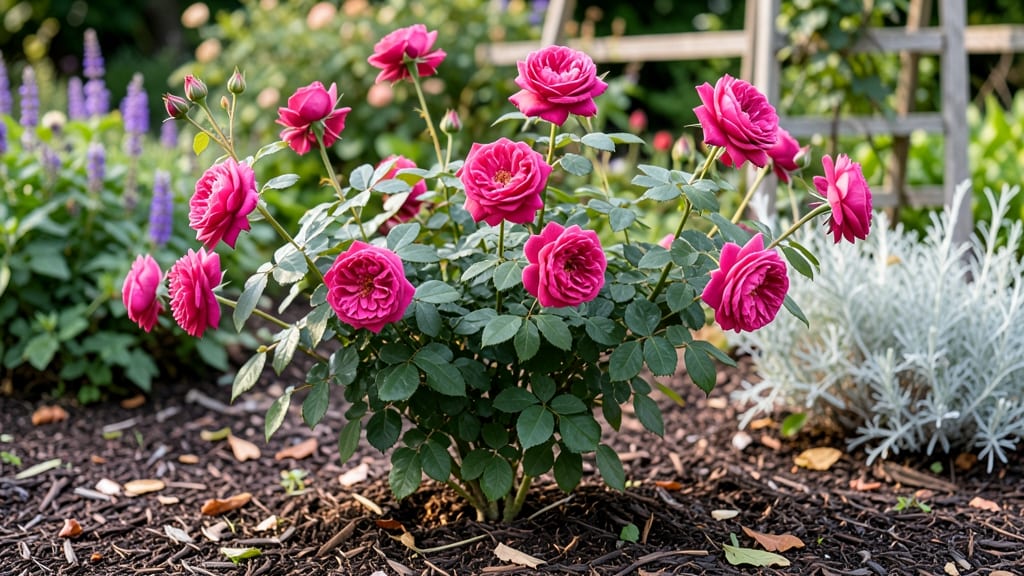
Pruning your Cécile Brunner rose bush transforms it from a scraggly climber into a fragrant, blooming powerhouse that keeps producing all season. 🌹 I’ve pruned these roses for years, and the difference between a well-maintained bush and one left to its own devices is night and day—more blooms, stronger growth, and fewer pests.
This climbing rose thrives with the right cuts, and I’ll show you exactly how to do it without stress.
The key is timing and technique: prune in late winter or early spring before new growth starts, and always cut just above an outward-facing bud. Cécile Brunner roses reward patience—when done right, you’ll see longer stems, fuller blooms, and a bush that climbs effortlessly up trellises or fences.
Avoid heavy pruning in fall, as it stresses the plant before winter dormancy.
What you’ll end up with is a vibrant, disease-resistant rose that blooms from early summer through frost, with clusters of delicate pink flowers that perfume the air. The secret isn’t just cutting—it’s understanding how this particular rose grows.
With the right approach, you’ll skip the common pitfalls of over-pruning or leaving dead wood too long.
This method works for both new and established Cécile Brunner bushes, whether you’re training it on an arbor or letting it sprawl along a fence. Let’s get those shears out and turn your rose into the star of your garden!
📚 In This Guide
- What you need
- Instructions
- Tips and common mistakes
- Wrapping up and next steps
What you need
- ● Pruning shears: Sharp, bypass-style shears (avoid anvil shears—they crush stems). 1 pair (sterilized with rubbing alcohol or bleach).
- ● Hand pruners (loppers): For thicker stems (½"–1" diameter). 1 pair with ratcheting or bypass blades.
- ● Garden gloves: Heavy-duty, cut-resistant gloves (thorns are no joke!). 1 pair.
- ● Disinfectant: 1 part bleach to 9 parts water (or hydrogen peroxide) to sterilize tools between cuts.
- ○ Pruning sealant (optional): Wound dressing (like Tanglefoot Pruning Seal) for large cuts to prevent disease.
- ● Ladder or step stool: For high branches (if your bush is taller than 5–6 ft).
- ● Marking twine or flags: To tag stems for removal (if pruning in stages).
- ○ Garden twine: For tying down heavy canes after pruning (optional but helpful).
- ● Trash bags: For disposing of pruned debris (keep your workspace clean!).
- ● Notebook & pen: To jot down notes on cuts (e.g., "remove suckers at base").
- ● Best time to prune: Late winter or early spring (before new growth starts) or right after blooming (for repeat bloomers like Cécile Brunner).
- ● Weather check: Prune on a dry, overcast day (wet tools spread disease!).
- ● Healthy plant: Ensure your rose is free of pests/disease before pruning. Treat issues first!
Step-by-step guide to pruning your Cecile Brunner rose bush
Here's how I transform this vigorous climber into a lush, blooming powerhouse with minimal effort.
✂️ Step 1: Time Your Pruning for Peak Performance
Prune your Cecile Brunner rose right after blooming—typically in late spring or early summer—when about half the flowers have faded. This timing ensures you don’t cut off next year’s blooms while still maintaining shape. I always check the plant’s growth first: if you see long, leggy stems with few buds, it’s definitely time to prune.
Never prune in fall or winter—this rose blooms on new wood, meaning fresh growth produces flowers. Cutting back too early removes potential blooms for next season. If you missed the spring window, wait until just after the last frost in your area, but avoid pruning if buds are already forming.
✂️ Step 2: Remove Dead, Diseased, or Weak Growth First
Start by inspecting the entire bush for stems that are brown, mushy, or hollow—these are dead or diseased and must go. Use clean, sharp pruners (I disinfect mine with rubbing alcohol between cuts) to make 45-degree cuts just above an outward-facing bud. This encourages new growth to spread outward rather than crowding the center.
Next, look for thin, spindly stems with no buds. These are energy vampires, draining nutrients from the bush. Snip them back to a strong, healthy branch or to the base if needed. I like to step back every few cuts to visualize the plant’s shape—this helps me avoid over-pruning.
✂️ Step 3: Thin Out Crowded Branches for Better Airflow
Cecile Brunner roses thrive when they get good airflow, which prevents fungal diseases like black spot. Focus on removing about 1/3 of the oldest stems—these are usually the thickest and least productive. Cut them back to the ground to encourage younger, more vigorous growth from the base.
For the remaining branches, avoid cutting back healthy stems unless they’re crossing or rubbing against each other. Instead, prune to balance the plant’s shape, removing branches that grow inward or downward. You’ll see a more open, bushier structure within weeks—this is your reward for strategic thinning.
✂️ Step 4: Lightly Shape the Bush for Longer Blooms
Now it’s time for light shaping. Cecile Brunner roses bloom on new growth, so never cut back more than 1/3 of the plant in one session. Focus on shortening overly long stems by about 1/4 to 1/3 of their length, cutting just above a bud that faces outward. This encourages bushier, more compact growth with more flower clusters.
Pay attention to where the buds are forming. If you see clusters of buds along a stem, leave it longer—these will produce the most blooms. If a stem has only one or two buds, you can trim it back more aggressively. Step back often to check your progress; the goal is a rounded, balanced shape, not a perfectly manicured topiary.
💧 Step 5: Post-Pruning Care for a Strong Recovery
After pruning, water deeply to help the plant recover. Cecile Brunner roses are drought-tolerant once established, but pruning stresses them, so keep the soil evenly moist for 2-3 weeks. I also add a balanced rose fertilizer (like 10-10-10) to the soil to support new growth. Avoid heavy fertilizing right after pruning—wait until you see new shoots emerging.
Finally, monitor for pests or disease in the weeks following pruning. Pruned roses are more vulnerable to aphids or fungal issues, so I spray with neem oil as a preventive measure. Keep an eye out for new buds forming—this is your sign that the pruning worked. With proper care, your Cecile Brunner will reward you with prolonged blooms and a healthier, more vigorous plant.
Tips & tricks for pruning your Cecile Brunner rose bush
These simple strategies will help you prune like a pro and keep your rose bush thriving for years.
Timing is Everything: The late spring or early summer window is critical—this is when your Cecile Brunner has already bloomed once and is ready for its next flush of flowers. I've learned the hard way that pruning too early can remove potential blooms for next season, while waiting too long means missing the optimal growth period. Look for those leggy stems with few buds as your clear signal it's time to prune.
The 45-Degree Cut Secret: When making your cuts in Step 2, angle them at 45 degrees just above an outward-facing bud. This isn't just a random technique—it creates a natural shield that protects the bud from rain and directs new growth outward, away from the center of the plant. I always visualize this as creating a little roof over each bud, which helps prevent disease and encourages bushier growth.
Visualize Before You Prune: Step back every few cuts to assess your progress. This simple habit prevents over-pruning and helps you create that balanced, rounded shape we're aiming for. I like to imagine the plant as a dome—each cut should help create that rounded silhouette. If you're unsure, snap a photo before you start so you can compare your progress.
Post-Pruning Recovery: After your pruning session, don't just walk away. The 2-3 weeks of even moisture are crucial for recovery. I've found that using a soaker hose set on a gentle timer (about 15 minutes every other day) gives consistent moisture without oversaturating the soil. This helps the plant establish new roots and prepare for its next blooming cycle.
Pro Tips for Cecile Brunner Rose Bush
- These simple strategies will help you prune like a pro and keep your rose bush thriving for years.
- Timing is Everything: The late spring or early summer window is critical—this is when your Cecile Brunner has already bloomed once and is ready for its next flush of flowers.
- The 45-Degree Cut Secret: When making your cuts in Step 2, angle them at 45 degrees just above an outward-facing bud.
Frequently asked questions
Got questions about pruning your Cécile Brunner rose bush for stunning blooms and robust growth? You’re in the right place! Here are answers to the most common concerns—from timing to troubleshooting—so you can keep your rose bush thriving with confidence.
When is the best time to prune a Cécile Brunner rose bush?
Prune your Cécile Brunner rose in early spring (just as new growth begins) or late winter in mild climates. Avoid pruning in fall or during frost—this can stress the plant. Light shaping can happen after blooms fade to encourage more flowers!
How much should I cut back my Cécile Brunner rose bush?
For this repeat-blooming rose, cut back 1/3 to 1/2 of the plant’s height. Focus on removing dead, crossing, or weak branches first. Leave 3-5 healthy buds per stem to promote new growth. Over-pruning can reduce blooms!
What should I do if my Cécile Brunner rose bush isn’t blooming?
Check for these issues:
- Insufficient sunlight: Ensure it gets 6+ hours of sun daily.
- Over-fertilizing with nitrogen: Switch to a balanced rose fertilizer (10-10-10 or higher phosphorus).
- Disease or pests: Inspect leaves for black spot, powdery mildew, or aphids. Prune infected areas and treat with neem oil if needed.
Can I prune a Cécile Brunner rose bush in summer?
Yes, but lightly! Summer pruning should focus on deadheading spent blooms and thinning crowded stems to improve airflow. Avoid heavy pruning—it can stress the plant and reduce fall blooms. Trim just above a leaf node for best results.
What’s the best way to prune in cold climates?
In USDA Zones 5-7, wait until after the last frost (when soil is workable). Use sharp, sterilized shears to make clean cuts at a 45-degree angle. Mulch heavily after pruning to protect roots. Avoid pruning in winter—it exposes tender wood to frost damage!
Are there alternatives to traditional pruning for Cécile Brunner roses?
If you prefer a low-maintenance approach, try:
- Selective deadheading: Remove only faded blooms to encourage more flowers.
- Minimal shaping: Trim only to open the center for airflow (no heavy cuts).
- Natural growth style: Let it grow wild for a romantic, cottage-garden look—just remove dead wood annually.
Wrapping up and next steps
Caring for your Cécile Brunner rose bush is all about balance—pruning at the right time, using the right tools, and giving it the love it deserves. With these tips, you’ll enjoy longer blooms, stronger growth, and a stunning centerpiece in your garden for years to come! 🌸
Ready to take the next step? Mark your calendar for your next pruning session—whether it’s a light trim in early summer or a deeper cut in late winter—and watch your rose bush thrive. Refresh your notes and get back to gardening with confidence!