
Diseases
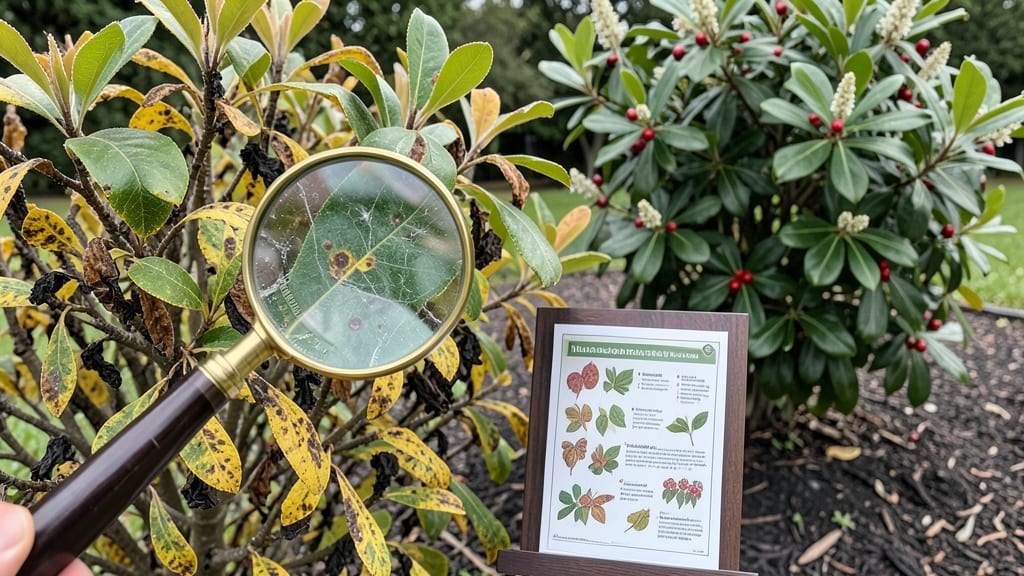
Your cherry laurel bush might look healthy now, but those mysterious brown spots or sudden leaf drop could signal one of the 10 most common diseases attacking these tough evergreens. 🌿 I've spent years diagnosing and treating these issues in my own landscape, and the key to saving your plant is catching problems early—before they spread like wildfire.
The worst offenders include fungal infections like powdery mildew and anthracnose, which thrive in wet conditions, plus bacterial leaf scorch that turns edges crispy brown. My biggest mistake? Waiting until the damage was obvious—by then, the plant was already stressed.
The good news is that most of these diseases respond well to targeted treatments once you know what you're dealing with. You'll learn to spot symptoms like yellowing leaves, blackened stems, or sticky honeydew residue, and I'll walk you through organic sprays, pruning techniques, and soil fixes that actually work.
My cherry laurels now stay vibrant year-round because I treat problems as soon as they appear—not when they're beyond saving. This isn't just about fixing what's wrong now; it's about creating a prevention plan that keeps your bushes thriving for decades.
Let's get your plants back to their glossy, disease-free best.
Root Causes Behind Cherry Laurel Struggles
Your cherry laurel bush isn’t just wilting or discoloring by chance—it’s a silent SOS from the plant’s biology. Understanding the why behind its distress is the first step to saving it.
Below, we break down the most common triggers, from invisible invaders to environmental stressors, with the science behind each one.
Fungi thrive in damp, warm conditions, turning your cherry laurel’s leaves into a buffet. Here’s how they hijack your plant:
- 🌡️ Overhead Watering & Poor Airflow Fungi like Phytophthora (root rot) and Botrytis (gray mold) spread when water pools on leaves or sits in soil. Cherry laurels hate soggy roots—excess moisture suffocates them, creating the perfect fungal playground.
- Why it happens: Water droplets linger on broad leaves, creating a humid microclimate. Fungal spores splash up from soil or drift in on wind.
- Actionable fix: Water at the base, never overhead. Space plants 3–5 feet apart for airflow.
- 🍄 Stress from Wounds or Pruning Cuts or tears in bark (from pruning or hail) are open doors for Venturia (a leaf spot fungus). The fungus enters through these gaps, then spreads via spores.
- Why it happens: Pruning tools carry spores, and stressed plants can’t seal wounds quickly. Fungi exploit this.
- Actionable fix: Sterilize shears with 70% alcohol between cuts. Prune in dry weather and avoid over-trimming.
Insects don’t just nibble—they inject toxins or spread diseases. Here’s how they turn your cherry laurel into a snack bar:
- 🐜 Scale & Mealybugs: The Sap-Sucking Menace These pests pierce leaves/stems to drink sap, leaving behind a sticky residue called honeydew. This attracts sooty mold (a secondary fungus), turning leaves black.
- Why it happens: Scale thrive in hot, dry conditions (they’re drought-tolerant!). Mealybugs love crowded, humid spots.
- Actionable fix: Blast off pests with water (disrupts their waxy armor). Use insecticidal soap only on active infestations.
- 🦟 Spider Mites: The Web Weavers These microscopic arachnids spin webs on undersides of leaves, causing stippling (tiny white/yellow dots). Severe cases lead to leaf drop.
- Why it happens: Drought stress triggers mites to multiply rapidly. They’re also spread by wind or shared tools.
- Actionable fix: Increase humidity (mist leaves) or use a strong spray of water to knock them off. Neem oil disrupts their life cycle.
Cherry laurels are tough, but push them too far, and they’ll revolt. Here’s how:
- ☀️ Extreme Heat or Sunburn Sudden heatwaves or reflected sunlight (from light-colored walls) scorch leaves, causing crispy, brown edges. This weakens the plant, making it susceptible to disease.
- Why it happens: Cherry laurels prefer partial shade. Full sun in hot climates overwhelms their photosynthetic system, leading to oxidative stress.
- Actionable fix: Provide afternoon shade in peak summer. Mulch heavily to retain moisture.
- ❄️ Cold Shock & Frost Damage While cold-hardy, cherry laurels can suffer from freeze-thaw cycles, where ice crystals rupture cells. This creates entry points for bacteria like Pseudomonas syringae.
- Why it happens: Young leaves are most vulnerable in late spring/early fall. Wind exacerbates cold damage by drying tissues.
- Actionable fix: Cover plants with frost cloth if temps drop below 25°F. Avoid pruning in winter—wait until new growth appears.
- 💧 Over- or Under-Watering Too much water = root rot. Too little = drought stress, making leaves tough and brittle (a buffet for pests).
- Why it happens: Cherry laurels prefer consistent moisture but hate waterlogged soil. Containers dry out faster than in-ground plants.
- Actionable fix: Test soil moisture 2 inches down—water when dry. Use well-draining soil and raised beds if needed.
Pro Tip: 🔍 Most diseases start with a single warning sign. Yellowing leaves? Check for fungal spores on undersides. Sticky leaves? Hunt for honeydew trails. Act fast—cherry laurels recover better when treated early!
Quick Fixes for Cherry Laurel Woes
Reviving your cherry laurel bush starts with identifying the problem—and then acting fast. Below, we’ve mapped out practical, step-by-step solutions for the most common diseases, along with preventive tips to keep your bush thriving. Think of this as your emergency repair kit for a healthy, lush plant!
Cause: Overcrowded foliage, poor airflow, or damp conditions invite fungal spores to party on your leaves.
🔥 Remove the Infected Leaves
- Snip it out! 🔪 Use clean pruning shears to cut off all yellowing, spotted, or powdery leaves—don’t leave them on the ground (they’ll reinfect).
- Dispose properly: Bag the clippings and toss them in the trash (not compost).
🌡️ Fungicide Treatment (Organic or Chemical)
- Neem oil spray (🌿 organic): Mix 1 tbsp neem oil + 1 tsp mild soap + 1 quart water. Spray evenly on both sides of leaves.
Repeat every 7–10 days until new growth appears. - Copper fungicide (🧪 chemical): Follow label instructions for coverage. Best for severe cases—reapply after rain.
✨ Prevention Tips
- Space it out: Prune to improve airflow—aim for 6–12 inches between branches.
- Water wisely: Water early in the day so leaves dry quickly.
Avoid overhead sprinklers. - Mulch right: Use 2–3 inches of mulch (wood chips or pine straw) but keep it away from the trunk to prevent moisture buildup.
Cause: Weak plants (from stress, drought, or poor soil) attract these sap-sucking pests, leaving sticky residue and stunted growth.
👨🍳 Blast Them Off
- Hose ‘em down! 💦 Use a strong spray nozzle to dislodge pests from leaves and stems. Do this every 3–4 days for 2 weeks.
- Soap spray (🧼 _DIY_): Mix 1 tsp insecticidal soap in 1 quart water. Spray directly on pests (avoid flowering parts if present).
🪰 Introduce Beneficial Insects
- Ladybugs or lacewings (🐞 natural predators) can be purchased online or from garden centers. Release them in the early morning or evening when pests are active.
🎯 Prevention Tips
- Healthy soil = happy plant: Test soil pH (ideal: 6.0–7.0) and amend with compost for nutrients.
- Reflective mulch: Use silver or white mulch to deter spider mites (they hate the glare!).
- Regular checks: Inspect new growth weekly—catch pests before they throw a party.
Cause: Soggy soil (from poor drainage or overzealous watering) suffocates roots, leading to wilting, yellowing, or mushy stems.
🚰 Drainage Fix
- Check the soil: Stick your finger 2 inches deep—if it’s damp, wait to water.
- Improve drainage: Dig a 1-inch-deep trench around the bush to redirect water. Add perlite or sand to heavy clay soil.
🌿 Prune & Repot (If Needed)
- Trim mushy or blackened roots with sterilized shears.
- If in a pot, repot in fresh, well-draining soil (use a mix of potting soil + perlite).
💡 Prevention Tips
- Water deeply but less often: Aim for 1–1.5 inches per week (adjust for rain).
- Raise the bed: If planting in ground, create a slightly elevated mound for better drainage.
- Aerate the soil: Use a garden fork to loosen compacted soil around the roots.
Cause: Bacteria clog plant vessels, causing brown, crispy edges on leaves. Often spread by sap-sucking insects or contaminated tools.
🧼 Sterilize & Spray
- Clean tools: Wipe pruners with rubbing alcohol before and after use.
- Copper-based bactericide (🧪): Spray every 10–14 days for 3 weeks. Follow label rates.
🌿 Remove & Replace
- Prune infected leaves immediately (don’t compost them!).
- Replace contaminated mulch near the base of the bush.
✨ Prevention Tips
- Avoid overhead watering—use drip irrigation instead.
- Plant in full sun (bacterial scorch thrives in humid, shaded conditions).
- Monitor for pests (they spread bacteria like wildfire!).
Pro Tip: 💡 When in doubt, isolate! If you’re unsure about a disease, quarantine the bush until you diagnose it to prevent spreading to other plants.
Remember: Consistency is key! Follow these steps diligently for 4–6 weeks, and your cherry laurel will bounce back—stronger and disease-resistant. 🌿💪
Frequently asked questions
What are the first signs my cherry laurel bush has a fungal infection?
Look for powdery white coatings on leaves (powdery mildew), dark brown spots with yellow halos (leaf spot), or gray fuzzy growth (Botrytis). These often appear on older leaves first. Check the undersides of leaves—many fungal spores hide there until they spread.
Can I save a cherry laurel bush with bacterial leaf scorch?
While you can't cure bacterial infections, you can manage symptoms! Prune affected leaves immediately and apply copper-based bactericides every 2 weeks. The key is preventing spread—sterilize tools between cuts and avoid overhead watering to reduce bacterial splash.
Why does my cherry laurel get spider mites more in summer?
Spider mites thrive in hot, dry conditions—they multiply rapidly when humidity drops below 40%. Increase shade during peak sun hours and mist leaves daily to raise humidity. Reflective mulch (like silver plastic) can also deter them by confusing their navigation systems.
Is it safe to use homemade remedies on cherry laurels?
Yes, but with caution! Neem oil (1 tbsp per quart of water) works well for fungi and pests, while insecticidal soap (1 tsp per quart) targets soft-bodied insects. Always test remedies on a small leaf first—some cherry laurels may react to strong solutions. Organic options work best when applied preventatively.
How often should I inspect my cherry laurel for diseases?
Check your bushes weekly during growing seasons (spring-fall) and biweekly in winter. Focus on new growth, leaf undersides, and stem junctions where pests/diseases often hide. Early detection gives you the best chance to treat problems before they spread systemically.