
Pruning
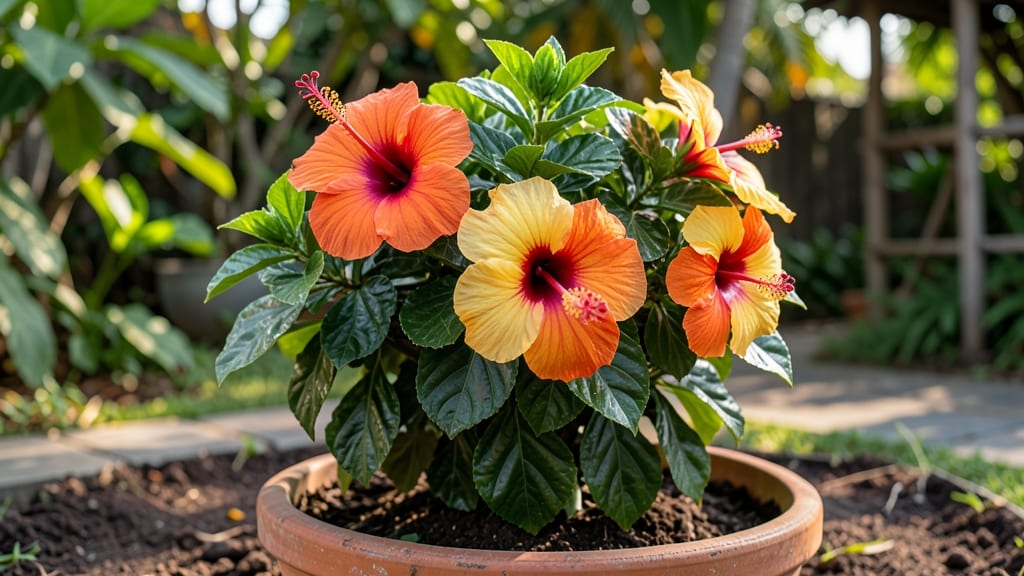
Your Fiesta hibiscus bush could bloom nonstop with the right pruning strategy. ✨ I’ve turned my once-sparse bush into a vibrant, flower-covered powerhouse by timing cuts just right—no more bare branches or sporadic blooms.
The secret isn’t aggressive trimming but strategic cuts that encourage new growth while keeping the plant’s natural shape. Start by removing dead or crossing branches in early spring, then prune lightly after each flush of blooms to maintain that lush, full look.
Even experienced gardeners overlook how much a simple shape-up in late summer can boost next year’s flowers. You’ll end up with a bush so packed with blooms it looks like a living bouquet. The flowers stay vibrant longer, and the plant becomes more resilient to pests and disease.
Think of it as giving your hibiscus a haircut that makes it look—and perform—its best. Works for both container and in-ground plants, and the same principles apply whether you’re in a hot climate or a milder zone. Let’s get those shears ready!
📚 In This Guide
- What you need
- Instructions
- Tips and common mistakes
- Wrapping up and next steps
What you need
- ● Pruning shears or secateurs: Sharp, bypass-style shears (2-4 inches long) for clean cuts. Dull blades crush stems—avoid this!
- ● Loppers: For thicker branches (up to 2 inches in diameter). Look for ratcheting or bypass models for leverage.
- ○ Pruning saw: A folding hand saw for stubborn, woody stems (optional but helpful for mature bushes).
- ● Disinfectant (70% isopropyl alcohol or bleach solution): Clean tools between cuts to prevent disease spread.
- ● Garden gloves: Heavy-duty, cut-resistant gloves (e.g., Felco or Fiskars brands) to protect hands from thorns.
- ○ Pruning sealant (optional but recommended): A tree wound dressing (like Tanglefoot Tree Wound Pruning Sealer) to coat large cuts and prevent decay.
- ● Garden twine or zip ties: For temporarily securing branches if your bush is top-heavy after pruning.
- ● Bucket or tarp: To collect clippings and debris (a 5-gallon bucket works great!).
- ● Water and hose: For rinsing tools and cleaning up sap or saplings.
- ● Weather check: Prune on a dry, overcast day or in the early morning to reduce stress on the plant.
- ● Safety glasses: Protect your eyes from flying debris (especially when using a pruning saw).
- ● Long sleeves/pants: Wear lightweight, long-sleeved clothing to avoid scratches from thorns.
- ● Step stool or ladder: If your bush is taller than 5 feet, use a stable, 3-step stool (never a chair!).
- ● First-aid kit: Include antiseptic wipes and bandages for minor cuts.
- ● Hand pruners with a bypass blade and ergonomic grip (e.g., Felco Classic) for comfort.
- ● Glove liners: Nitrile or latex liners to keep hands dry and cool.
- ● Plant food: A balanced fertilizer (10-10-10) to replenish nutrients after heavy pruning.
- ● Mulch: Shredded bark or pine straw to protect the base of the bush post-pruning.
- ● Camera or phone: Snap before-and-after photos to track your progress!
Instructions for pruning a Fiesta Hibiscus bush
Here's my go-to approach for keeping your Fiesta Hibiscus bush thriving all year—simple cuts that boost blooms and shape.
✂️ Step 1: Time Your First Pruning for Late Winter
Prune your Fiesta Hibiscus in late winter (February or early March) before new growth begins. This is the best time because the plant is dormant, and you won’t accidentally cut off potential blooms for the upcoming season. I like to wait until the last frost has passed in my zone—usually when daytime temperatures stay above 40°F consistently.
Use sharp, clean pruning shears to make cuts just above a leaf node or bud. This ensures the plant knows exactly where to grow next. Avoid cutting into old wood—Fiesta Hibiscus blooms on new growth, so you want to encourage fresh stems. If you see any dead or diseased branches, remove them first—they’ll only drain energy from your bush.
🌿 Step 2: Shape the Bush in Early Spring
Once your Fiesta Hibiscus starts showing signs of new growth (usually 2-3 inches of fresh shoots), it’s time to shape it. I focus on three key areas: removing any crossing or rubbing branches, thinning out crowded stems, and opening up the center of the bush for better airflow. This prevents fungal issues and lets sunlight reach the inner branches, which is where many blooms form.
Make your cuts at a 45-degree angle about ¼ inch above a leaf node. This angle helps water run off the cut instead of pooling, which reduces rot. If you’re unsure where to cut, look for the outward-facing buds—they’ll grow into stronger branches. Never cut more than ⅓ of the plant’s total foliage at once, or you’ll shock it.
☀️ Step 3: Light Pruning After Each Blooming Cycle
Fiesta Hibiscus blooms on new wood, so after each flush of flowers fades, give it a light trim. This keeps the bush compact and encourages more blooms. I prune again in early summer (around June) and late summer (around August) to maintain shape and remove spent blooms. Always cut back to just above a set of leaves or a bud—never leave a stub.
Here’s the thing—Fiesta Hibiscus responds well to regular light pruning, but don’t overdo it. A quick once-over with your shears to remove dead blooms and shape the plant goes a long way. If you notice leggy growth, it’s a sign the plant needs more light or a harder prune next time. Just don’t cut back too aggressively, or you’ll sacrifice next year’s blooms.
⏰ Step 4: Minimal Pruning in Fall and Winter
In fall, your Fiesta Hibiscus will start slowing down as temperatures drop. At this point, I only remove any dead, diseased, or damaged branches. Avoid heavy pruning now—you want the plant to enter dormancy with enough energy to survive winter. If you live in a colder climate (below 20°F), consider wrapping the bush with burlap or moving potted plants to a sheltered spot.
Winter is the time to rest. Unless you spot dead branches, leave your Fiesta Hibiscus alone. It’s storing energy for next year’s growth. If you’re in a mild winter zone, you might even see a few late blooms—just enjoy them without pruning. The key is patience. Your bush will reward you with lush, vibrant blooms if you give it the right care at the right time.
🌱 Step 5: Fertilize and Water After Pruning
After each major pruning session, give your Fiesta Hibiscus a boost with a balanced, water-soluble fertilizer (like 10-10-10) diluted to half strength. This helps the plant recover and encourages new growth. Water deeply right after fertilizing to help the nutrients soak into the soil. I usually water at the base of the plant, avoiding the foliage to prevent fungal diseases.
Keep the soil consistently moist but not soggy—Fiesta Hibiscus roots need good drainage. If you notice the leaves wilting or turning yellow, it’s a sign of overwatering. Adjust your watering schedule based on your climate and soil type. A quick finger test (stick your finger 1-2 inches into the soil) tells you if it’s time to water. If it’s dry, give it a drink; if it’s damp, wait a day or two.
Tips & tricks for pruning a Fiesta Hibiscus bush
These simple tricks will help you keep your Fiesta Hibiscus looking its best without sacrificing next year's blooms.
Timing is Everything: The late winter pruning in Step 1 is crucial because it lets your plant focus all its energy on new growth. If you're unsure about frost dates, check your local weather forecast for the last expected frost. I've learned the hard way that pruning too early can expose tender new shoots to cold damage—wait until daytime temperatures stay consistently above 40°F for at least a week before you start cutting.
Visual Cues for Perfect Cuts: When shaping in Step 2, look for those outward-facing buds—they're your roadmap for where to make cuts. The 45-degree angle about ¼ inch above a leaf node might seem tricky at first, but practice on a few branches before tackling the whole bush. I like to hold the branch between my thumb and forefinger while making the cut—it gives me better control and cleaner results. Remember, you're sculpting, not hacking!
Light Pruning Secrets: The light trims in Step 3 after each blooming cycle are about maintenance, not drastic changes. I've found that removing just the spent blooms and any leggy growth keeps the plant compact while encouraging more flowers. Pro tip: If you notice your bush getting too tall and sparse, that's your cue for a slightly harder prune next time—just don't cut more than ⅓ of the foliage in any single session.
Winter Care Strategy: In colder climates, protecting your bush from temperatures below 20°F makes all the difference. I wrap my larger bushes with burlap and add a layer of mulch around the base. For potted plants, moving them to a sheltered spot like a garage or under an eave can save them from frost damage. The key is to let the plant rest naturally—your winter pruning should be minimal, just removing any obvious dead branches.
Pro Tips for Fiesta Hibiscus Bush
- These simple tricks will help you keep your Fiesta Hibiscus looking its best without sacrificing next year's blooms.
- Timing is Everything: The late winter pruning in Step 1 is crucial because it lets your plant focus all its energy on new growth.
- Visual Cues for Perfect Cuts: When shaping in Step 2, look for those outward-facing buds—they're your roadmap for where to make cuts.
Frequently asked questions
When is the best time to prune my Fiesta Hibiscus bush?
The ideal time to prune is late winter or early spring (before new growth starts) to encourage vigorous blooms. You can also do light trimming after flowering to shape the plant, but avoid heavy cuts then—it may reduce next year’s blooms. For tropical climates, prune after frost risk passes.
How much can I trim back my Fiesta Hibiscus bush?
You can safely trim up to ⅓ of the plant’s height in one session, but avoid over-pruning. Focus on removing dead, diseased, or crossing branches first. For shaping, cut just above a leaf node (where new growth emerges) to encourage bushier growth. Pro tip: Use sharp, sterilized shears to prevent damage!
What should I do if my Fiesta Hibiscus isn’t blooming after pruning?
Lack of blooms often stems from over-pruning too late in the season or insufficient sunlight. Ensure your bush gets 6+ hours of direct sun daily and fertilize with a balanced, bloom-boosting formula (like 10-10-10) in spring. If pruned correctly but still struggling, check for pests or underwatering—hibiscus loves moisture but hates soggy roots!
Can I propagate my Fiesta Hibiscus from pruned cuttings?
Take 4–6 inch cuttings from healthy, non-flowering stems, strip the lower leaves, and dip in rooting hormone. Plant in moist perlite or sand, then cover with a plastic bag to retain humidity. Keep in bright, indirect light until roots form (4–6 weeks). Pro tip: Use a heating mat to speed up rooting in cooler climates!
Why are my Fiesta Hibiscus leaves turning yellow after pruning?
Yellow leaves usually mean overwatering, poor drainage, or nutrient deficiency. Hibiscus prefers well-draining soil—amend with compost if needed. Reduce watering slightly and fertilize with a low-nitrogen, high-phosphorus formula (like 5-10-10) to support recovery. If yellowing persists, check for fungal issues (like root rot) and adjust care accordingly.
Are there alternatives to Fiesta Hibiscus for low-maintenance blooms?
If Fiesta Hibiscus feels high-maintenance, consider dwarf butterfly bush (Buddleia), abutilon (flowering maple), or pentas. These thrive with less frequent pruning and still deliver vibrant blooms. For tropical vibes, Portulaca (moss rose) is drought-tolerant and blooms year-round with minimal effort!
Wrapping up and next steps
Transforming your Fiesta Hibiscus bush into a vibrant, year-round stunner is all about timing, patience, and precision—and you’ve got the tools to make it happen! 🌺 Whether you’re trimming for blooms, shaping for aesthetics, or reviving growth, strategic pruning ensures your hibiscus thrives with bold colors and lush foliage.
Now that you’re equipped with the know-how, grab those shears and give your bush the love it deserves.
Ready to take it further? Start small—pick one season’s technique to practice, then gradually expand your skills. Before you know it, your backyard will be the talk of the neighborhood! 🌟