
Blooming
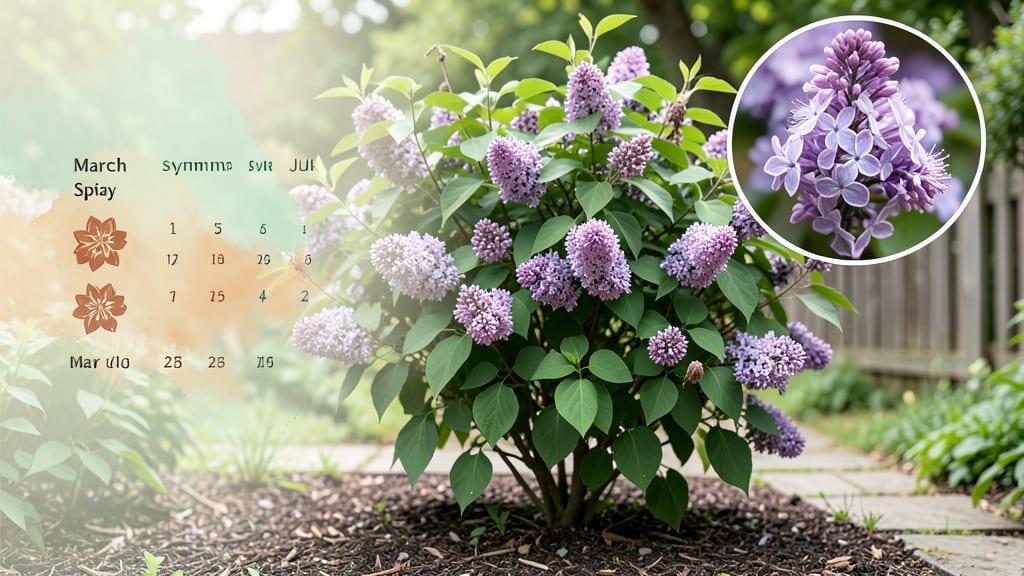
Lilac bushes bloom every 1 to 3 years, not annually, which is why their fragrant purple spikes can feel like a rare treat rather than a yearly guarantee.
If you’ve ever admired a lilac bush in full bloom and wondered when—or if—those fragrant purple spikes will return, you’re not alone. The answer lies in their natural growth cycle and how you care for them, especially after those show-stopping spring displays.
Most lilacs enter a period of dormancy after flowering, storing energy for the next potential bloom. But with the right pruning, sunlight, and soil conditions, you can encourage them to bloom more frequently—sometimes even twice in a single season.
Below, I’ll break down the science behind lilac blooming, share tips to maximize their flowering potential, and debunk common myths about whether they bloom every year or only every few.
Lilac blooming frequency: how often do they flower?
Lilacs are famous for their intense fragrance and vibrant purple blooms, but many gardeners wonder why they don’t flower every year. The truth is, most lilacs bloom once every 1-3 years naturally, thanks to their unique growth cycle tied to dormancy periods.
This isn’t a sign of poor health—it’s just how these hardy shrubs operate!
Unlike annuals or even many perennials, lilacs store energy in their roots and stems during dormancy. They use this stored energy to fuel their spectacular spring blooms. After flowering, the plant shifts focus to leaf and root growth, preparing for the next cycle.
Understanding this rhythm helps you manage expectations and care for your lilac properly.
Here’s what you need to know about their blooming patterns, from first-year expectations to long-term care strategies:
- 🌱 Year 1: Lilacs planted in spring or fall typically won’t bloom their first year—they focus on root establishment.
- 🌿 Year 2-3: Healthy lilacs usually produce their first blooms in years 2 or 3, depending on climate and care.
- 🌸 Mature Blooms: Once established, lilacs bloom every 1-3 years unless stressed by poor soil, drought, or improper pruning.
- ⏰ Seasonal Timing: Blooms appear in late spring (May-June), triggered by winter chilling and spring warmth.
- 🌡️ Climate Impact: Colder winters (USDA Zone 4-7) encourage more frequent blooming than mild climates.
One common misconception is that lilacs bloom annually like roses or hydrangeas. In reality, their biennial or triennial blooming pattern is a survival strategy. After flowering, lilacs enter a recovery phase where they build energy reserves.
This means you might see fewer but larger flower clusters when they do bloom, compared to annual flowers.
Environmental factors play a huge role in blooming frequency. For example, lack of winter chill (below 40°F for 500-1,000 hours) can delay or prevent blooming entirely. Similarly, poor drainage or compacted soil stresses the roots, reducing energy available for flowers.
Even over-fertilizing with nitrogen can lead to lush foliage but no blooms.
If your lilac hasn’t bloomed in 3+ years, it’s worth checking its health and growing conditions. Look for signs like yellowing leaves, sparse foliage, or dead branches, which may indicate root rot, pests, or disease.
A simple soil test can also reveal nutrient deficiencies like low phosphorus, which is crucial for flowering.
Interestingly, some reblooming lilac varieties (like ‘Bloomerang’ or ‘Dwarf Korean’) have been bred to flower twice a year—once in spring and again in summer. These cultivars are a great choice if you want more frequent fragrant blooms. However, even these may need specialized pruning to encourage second flushes.
Pruning timing is another critical factor. If you prune lilacs after mid-summer, you risk removing next year’s flower buds, which form on old wood during the previous summer. Always prune immediately after blooming to avoid cutting off potential buds for the following year.
To maximize blooming frequency, focus on consistent care: well-draining soil, 6+ hours of sunlight daily, and balanced fertilization (high in phosphorus). Mulching around the base in winter also protects roots from temperature fluctuations, helping the plant store energy efficiently.
Remember, lilacs are low-maintenance shrubs that thrive with minimal intervention. Their occasional but spectacular blooms make them a rewarding addition to any garden. With the right care, you’ll enjoy those fragrant purple spikes more often than you might expect!
What triggers lilac bushes to bloom again?
Lilac bushes (Syringa vulgaris) typically bloom just once per year during late spring, but with the right care, you can encourage reblooming in select varieties. The key lies in understanding their natural growth cycle and seasonal triggers that prompt flower production.
Unlike annuals, lilacs are perennial shrubs that rely on proper dormancy, sunlight, and soil conditions to rebloom successfully.
Most lilacs bloom on old wood—meaning flowers form on previous year’s growth—so aggressive pruning can reduce blooms. However, reblooming cultivars (like 'Bloomerang' or 'Dwarf Albert' lilacs) produce flowers on both old and new wood, giving you a second chance for blooms later in the season.
To trigger reblooming, focus on pruning timing, sunlight exposure, and soil health.
| Factor | Optimal Condition | Reblooming Impact |
|---|---|---|
| Sunlight | 6+ hours daily | ✅ More blooms, longer season |
| Pruning Time | After first bloom, never late summer | ✅ Preserves next year’s buds |
| Soil pH | 6.0–7.0 (slightly acidic) | ✅ Enhances nutrient uptake |
| Watering | Deep, weekly soak | ✅ Prevents bud drop |
| Fertilizer | Balanced 10-10-10 in spring | ✅ Boosts flower production |
Pruning is the most critical trigger for reblooming. Always prune right after the first flush of flowers fades—never in late summer or fall, as this removes next year’s buds.
Use clean, sharp shears to cut back 1/3 of the oldest stems to the base, promoting new growth where second blooms can form. Avoid heavy pruning in fall or winter, as lilacs need their dormant period to set buds for spring.
Lilacs thrive in full sun (6+ hours daily), but they also need well-draining soil to prevent root rot, which can stress the plant and reduce blooming. Amend heavy clay soil with compost or sand to improve drainage.
A mulch layer (2–3 inches) around the base helps retain moisture and regulate soil temperature, both of which support healthy flower production. Test your soil’s pH—lilacs prefer 6.0–7.0—and adjust with lime or sulfur if needed.
Reblooming lilacs also benefit from consistent watering, especially during bud formation in late winter. Water deeply once weekly during dry spells, ensuring the root zone stays moist but not soggy. Overwatering can lead to bud blast (buds dropping before opening), so prioritize morning watering to reduce fungal risks.
In USDA Zones 5–8, lilacs are hardy and dormant in winter, but protecting them from winter desiccation (windburn) with burlap wraps can improve next year’s blooms.
For the best results, choose reblooming cultivars like 'Bloomerang' or 'Katherine Havemeyer', which are bred to produce two flushes of flowers per season. Pair these with proper pruning, sunlight, and soil care, and you’ll enjoy fragrant lilac blooms twice a year.
Patience is key—it may take 1–2 years for reblooming to become consistent, but the effort is worth the extended blooming season! 🌸