
How To
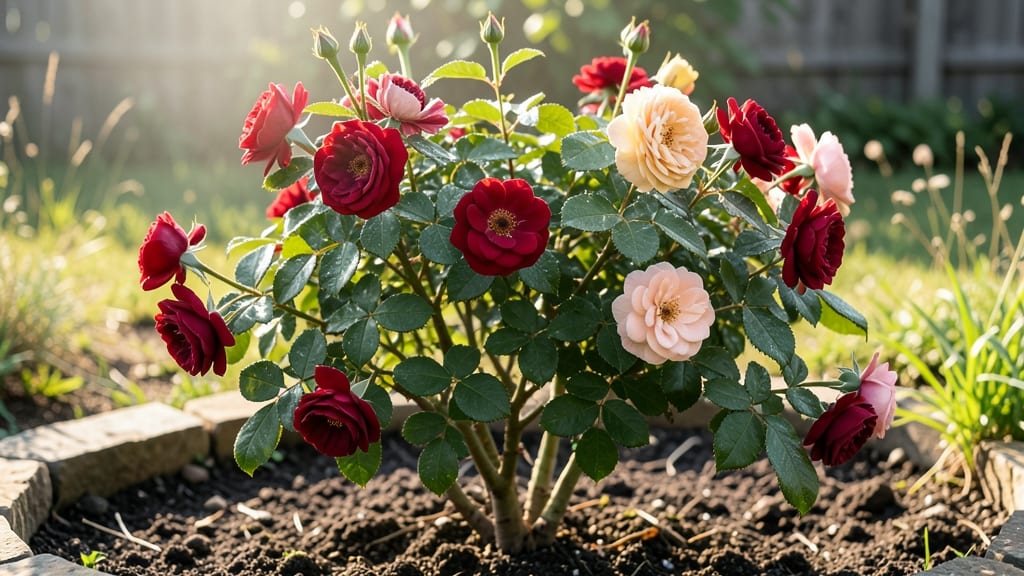
How tall can a rose bush grow?—anywhere from 1 foot to over 20 feet, depending on the variety and how you train it 🌹 — that’s a difference between a cute border plant and a living trellis.
Picture this: your 3-foot dwarf rose stays perfectly contained, while a climbing variety on a trellis reaches your second-story porch. The height isn’t just about space—it changes how you prune, stake, and even which roses you pick for your garden style.
Some roses naturally stay compact, while others need support or aggressive pruning to keep them in check. Without the right approach, even a small variety can sprawl, and a tall climber might flop without guidance.
Below, I’ll break down the height ranges by rose type, share pruning secrets to control growth, and help you pick the perfect variety for your space—whether you’ve got a postage-stamp patio or a sprawling backyard.

Rose bush height by variety: from dwarf to climbing giants
Choosing the right rose variety depends heavily on your garden space and design goals. Some roses stay compact enough for window boxes, while others climb 20 feet or more up trellises.
The mature height of a rose bush isn't just about aesthetics—it affects pruning needs, trellis requirements, and even how you group roses in your landscape. Let's explore the height ranges you can expect from popular rose types, including how environmental factors influence their growth.
Most gardeners assume all roses grow tall, but that couldn't be further from the truth. Miniature roses might stay under 2 feet, while climbing roses can reach heights of 15-20 feet with proper support.
Even within the same category, like hybrid teas, some varieties stay under 4 feet while others reach 6 feet. Understanding these differences helps you select roses that fit your space perfectly.
Environmental factors play a huge role in how tall a rose bush grows. Full sun exposure (6+ hours daily) encourages taller growth, while partial shade keeps bushes more compact. Well-draining soil with organic matter promotes healthier stems, while poor soil can stunt growth.
Even pruning techniques—like hard pruning in early spring—can control height by removing excess growth. Let's look at specific varieties and their mature height ranges.
| Rose Type | Height Range | Growth Habit | Best For |
|---|---|---|---|
| Miniature Roses | 6 inches - 2 feet | Compact, bushy | Containers, rock gardens, window boxes |
| Floribunda Roses | 2 - 4 feet | Bushy, multi-flowering | Borders, foundation plantings |
| Hybrid Tea Roses | 3 - 6 feet | Upright, single-stemmed blooms | Cut flowers, formal gardens |
| Shrub Roses | 3 - 5 feet | Multi-stemmed, disease-resistant | Low-maintenance landscapes |
| Climbing Roses | 8 - 20+ feet | Long, flexible canes | Arbors, trellises, fences |
| Standard Roses | 4 - 6 feet (bush) + 3-6 ft stem | Grafted on tall stem | Focal points, entryways |
Miniature roses are perfect for small spaces, often reaching just 6 inches to 2 feet tall. Varieties like 'Fairy' or 'Baby Love' thrive in containers or rock gardens, making them ideal for patios and balconies.
Their compact size means they require minimal pruning, but they still produce stunning blooms. If you're working with limited vertical space, these are excellent choices that won't overwhelm your garden.
Floribunda roses strike a balance between height and bushiness, typically growing 2 to 4 feet tall. These roses produce clusters of blooms along their stems, making them perfect for borders or foundation plantings.
Popular varieties like 'Iceberg' or 'Julia Child' offer continuous blooms throughout the season. Their moderate height makes them versatile for both small and medium-sized gardens.
Hybrid tea roses are classic garden favorites, often reaching 3 to 6 feet in height. Known for their large, single blooms, these roses are popular for cut flowers. Varieties like 'Mister Lincoln' or 'Double Delight' produce dramatic flowers but require more maintenance, including regular deadheading and pruning.
Their height makes them great for adding vertical interest to garden beds.
Shrub roses are the workhorses of the garden, typically growing 3 to 5 feet tall with a multi-stemmed habit. These roses are disease-resistant and low-maintenance, making them perfect for busy gardeners.
Varieties like 'Knock Out' or 'Dr. Huey' produce abundant blooms with minimal care. Their natural shape and height make them ideal for hedges or mass plantings.
Climbing roses are the giants of the rose world, capable of reaching 8 to 20+ feet with proper support. These roses need trellises, arbors, or fences to climb, but they reward gardeners with spectacular displays of blooms.
Varieties like 'New Dawn' or 'Blaze' are excellent choices for adding vertical drama to your garden. Their height makes them perfect for covering unsightly structures or creating romantic garden arbors.
Standard roses are unique because they're grafted onto tall stems, giving them a tree-like appearance. The bush portion typically grows 4 to 6 feet tall, while the stem can add another 3-6 feet.
These roses make stunning focal points and are often used near entryways or patios. Varieties like 'Apache' or 'Mister Lincoln' standard roses add elegance and height to any landscape.
Remember, these height ranges are for mature roses. In their first year, most roses grow just 1-2 feet, and even in their second year, they may only reach 3-4 feet. Patience is key—rushing to prune or expecting full-size blooms too soon can frustrate even experienced gardeners.
With proper care, your roses will eventually reach their full height potential, creating the stunning garden you envision.
🌹
How to control rose bush height: pruning and training techniques
Managing your rose bush's height isn't just about aesthetics—it's about creating a healthy, blooming plant that fits your garden perfectly. Whether you're dealing with a wildly overgrown climber or a stunted shrub, the right pruning and training techniques can transform your rose's growth pattern.
I've learned that timing, technique, and variety all play crucial roles in shaping your rose bush to your desired height.
For most gardeners, the key to controlling height lies in understanding seasonal pruning cycles. Early spring is ideal for shaping your rose bush before new growth begins, while late winter is perfect for major height reduction.
Climbing roses, for example, can reach 10-20 feet without intervention, while dwarf varieties rarely exceed 2-3 feet. The good news? With proper training, even tall varieties can be kept manageable.
- 1. Identify your rose type - Dwarf roses (1-3 ft) need minimal pruning, while climbers (10-20 ft) require aggressive training.
- 2. Prune in late winter - Remove 1/3 of last year's growth to control height; use clean, sharp shears to avoid disease.
- 3. Train climbers with trellises - Install support structures early; tie canes to 3-4 ft intervals to prevent sprawling.
- 4. Encourage bushiness - Cut back main stems by 1/2 in spring to promote lateral branches for fuller growth.
- 5. Deadhead regularly - Remove spent blooms to redirect energy to new growth rather than seed production.
One common mistake I see is over-pruning in fall, which can leave roses vulnerable to winter damage. Instead, focus on light shaping in late summer to encourage new growth before cold sets in.
For climbing roses, I've found that installing a trellis at planting time prevents struggling with established vines later. The key is to prune just above a 5-leaf cluster to encourage strong new growth.
If your rose bush is too tall for its space, don't panic—gradual reduction works best. Over one growing season, you can safely reduce height by 30-50% through strategic pruning. I recommend cutting back 1/3 of the tallest canes each year until you reach your desired height.
For shrub roses, this approach maintains their natural shape while keeping them manageable.
Remember that soil quality and sun exposure also impact height. Roses in poor soil often grow leggy and weak, while those in rich, well-draining soil with full sun develop stronger, more compact growth.
If your roses are consistently outgrowing their space, it might be time to test your soil and amend with compost or organic matter.
With these techniques, you'll have roses that fit your garden perfectly—whether you prefer compact shrubs or trained climbers. The secret is consistency: regular pruning, proper training, and attentive care will keep your roses at the ideal height for years to come. 🌹✂️🌿