
Size
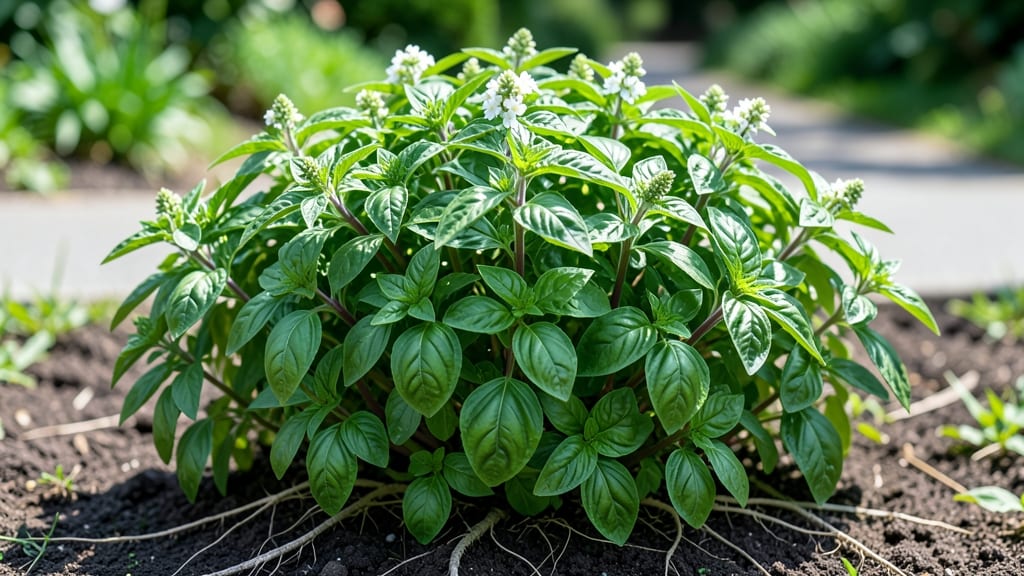
Growing bushy basil isn't rocket science—it's about light, pruning, and a little patience. 🌿 I've turned my kitchen windowsill into a basil jungle by mastering these three tricks that make all the difference between a leggy, sad plant and a lush, productive one.
The secret starts with understanding what basil actually needs to thrive, not what you think it should get.
Most people overwater or overcrowd their basil, which leads to floppy stems and fewer leaves. Instead, focus on bright light (at least 6 hours of direct sun daily), well-draining soil, and pruning at the right time.
When you pinch off the top sets of leaves, the plant responds by branching out—creating that bushy shape we all want. It’s like teaching the plant to grow sideways instead of just upward.
By following these steps, you’ll end up with a basil plant that stays compact, green, and productive for months. No more sad, stretched-out stems or sparse foliage—just thick, vibrant growth that keeps giving you fresh leaves for pesto, salads, and more.
The best part? You can do this indoors or out, in pots or garden beds.
Ready to transform your basil game? The first step is simple: grab a pair of clean scissors and give your plant a little haircut. I’ll walk you through the exact timing and technique so you never have to guess again. Your future pesto will thank you.
📚 In This Guide
- What you need
- Instructions
- Tips and common mistakes
- Wrapping up and next steps
What you need
- ● Basil plants or seeds: 3–6 basil plants (nursery-grown) or
- ● 1 packet of basil seeds (Genovese, Thai, or Purple varieties work well)
- ● Containers or garden bed: 5–6-inch deep pots (with drainage holes) or
- ● A raised bed or in-ground plot (at least 12 inches deep)
- ● Well-draining potting mix: 1 bag of high-quality organic potting soil (avoid garden soil—it compacts)
- ● Fertilizer: Balanced liquid fertilizer (10-10-10) or organic options like fish emulsion
- ● Watering can or spray bottle: For gentle, consistent hydration (basil hates soggy roots!)
- ● Pruning shears: Sharp, clean scissors (sterilize with rubbing alcohol between cuts)
- ● Grow lights or sunny windowsill: For indoor setups (12–16 hours of light/day).
- ● Mulch or straw: To retain moisture and suppress weeds in outdoor beds.
- ● Support stakes or trellis: If growing tall varieties like Thai basil.
- ● Eggshells or crushed rock: For calcium-rich soil amendments (prevents yellowing leaves).
- ● Compost or worm castings: For nutrient-boosted soil (basil loves organic matter!).
Step-by-Step instructions for growing bushy basil
Here's how I turn leggy, sparse basil into a lush, leafy powerhouse—no fancy tools needed.
🌱 Step 1: Start with the Right Light and Spacing
Basil needs 6-8 hours of bright, indirect light daily to grow bushy. Place your pot near a south-facing window or under a grow light. If leaves stretch toward the light, it's too far away—move it within 12 inches of the window or lower the grow light to 4-6 inches above the plant.
Space plants 8-12 inches apart if growing multiple pots. Crowding causes competition for light, leading to sparse growth. I always use 6-inch pots for single plants—they give roots room to spread without overpowering the plant.
💧 Step 2: Water Deeply but Sparingly
Water when the top inch of soil feels dry. Overwatering causes yellow leaves and root rot, while underwatering makes basil crispy and stunted. I use a spray bottle for gentle watering—it keeps soil evenly moist without drowning the roots.
Basil hates soggy soil. Stick your finger in the pot: if it feels damp below the top inch, wait another day. A saucer under the pot helps catch excess water, but empty it after 10 minutes to prevent root rot.
✂️ Step 3: Prune for Bushiness Weekly
Here's the trick: pinch off the top set of leaves just above a pair of lower leaves when the plant reaches 6 inches tall. This forces the plant to branch out instead of growing tall and leggy. I do this every 2-3 weeks to keep basil compact and leafy.
Don't cut more than ⅓ of the plant at once. You'll see new side shoots emerge within 7-10 days—that's your signal it's working. If you skip pruning, basil grows tall and woody with few leaves.
☀️ Step 4: Rotate and Fertilize Lightly
Turn the pot a quarter turn weekly so all sides get even light. Basil grows toward the strongest light source, and rotation keeps it balanced. You'll notice leaves on all sides instead of just one.
Feed with a balanced liquid fertilizer (10-10-10) diluted to half strength every 4-6 weeks. Too much fertilizer burns roots and causes weak growth. I mix it into water and apply it in the morning so leaves dry quickly.
🌿 Step 5: Harvest Regularly for More Growth
Harvest leaves from the bottom up to encourage new growth. Snip stems just above a set of leaves, and you'll see new shoots sprout within 3-5 days. Avoid taking more than ⅓ of the plant at once—this keeps the plant productive.
Harvest in the morning when oils are strongest. Rinse leaves briefly under cool water, then pat dry with a paper towel. Store in a sealed container in the fridge for up to 5 days or use immediately for peak flavor.
Tips & tricks for perfect bushy basil growth
Took me years to figure out these simple tricks that turn sparse basil into a leafy green machine—no green thumb required.
Light Positioning: The 6-8 hours of bright, indirect light in Step 1 is non-negotiable, but here's the secret: if your south-facing window gets harsh afternoon sun, use a sheer curtain to diffuse it. I've seen basil leaves scorch when exposed to direct midday rays—look for slight yellowing around leaf edges as your warning sign. For indoor grow lights, LED bulbs with a full spectrum (red/blue balance) work best, and that 4-6 inch distance above the plant is critical for even growth. Too close = burnt tips, too far = leggy stems.
Pruning Precision: When you reach the 6-inch height in Step 3, don't just snip the top leaves—look for the first set of leaves below the top where the stem splits. That's where you want to pinch, just above that split. This creates the perfect branching point. I learned this the hard way after pruning too high and getting a single, sad stem with no side shoots. Also, use clean scissors or your fingers (not dirty knives!) to avoid introducing bacteria. The 7-10 day wait for new shoots is your reward for patience—don't rush it!
Watering Wisdom: That top inch dry test in Step 2 works, but here's what nobody tells you: the soil should feel like a wrung-out sponge—not bone dry, not sopping wet. I've ruined basil by both overwatering (yellow leaves) and underwatering (crispy edges). Pro tip: use room-temperature water—cold water can shock the roots. And that 10-minute saucer rule? Set a timer! I've forgotten about saucers before and ended up with root rot from sitting water.
Fertilizer Frequency: The 4-6 week schedule for that diluted 10-10-10 fertilizer is perfect, but timing matters. Always fertilize in the morning so leaves have all day to dry—wet leaves + fertilizer = potential leaf burn. I've made the mistake of fertilizing at night and waking up to brown leaf tips the next morning. Also, if you see new growth slowing down after a few months, that's your cue to give it a little boost—but never exceed half-strength, or you'll burn those tender roots.
Pro Tips for Grow Bushy Basil
- Took me years to figure out these simple tricks that turn sparse basil into a leafy green machine—no green thumb required.
- Light Positioning: The 6-8 hours of bright, indirect light in Step 1 is non-negotiable, but here's the secret: if your south-facing window gets harsh afternoon sun, use a sheer curtain to diffuse it.
- Pruning Precision: When you reach the 6-inch height in Step 3, don't just snip the top leaves—look for the first set of leaves below the top where the stem splits.
Frequently asked questions
Got questions about growing lush, bushy basil? You’re not alone!
Here are some of the most common queries—plus quick, actionable answers to keep your basil thriving all year.
How often should I prune basil to keep it bushy?
Prune your basil regularly—about every 4–6 weeks or when stems grow 6 inches tall. Pinch off the top set of leaves (just above a leaf pair) to encourage branching. Pro tip: Never cut more than ⅓ of the plant at once, or you’ll shock its growth!
Can I grow bushy basil indoors year-round?
Place your basil near a south-facing window (6+ hours of sunlight) or use a grow light (12–16 hours/day). Keep temps between 60–75°F and rotate the pot weekly for even growth. Watch out: Drafts and low humidity can stunt bushiness.
Why is my basil growing tall and leggy instead of bushy?
Leggy basil usually means lack of light or overcrowding. Move it to a brighter spot immediately and thin out crowded stems. If already leggy, trim back by ⅔—it’ll bounce back bushier! Bonus: Use reflective surfaces (like aluminum foil) to maximize light.
What’s the best alternative if I can’t grow basil?
Try thyme, oregano, or cilantro—they’re hardy and thrive in similar conditions. For a bushy look, prune thyme and oregano lightly (like basil) and harvest cilantro’s outer leaves to avoid bolting. Quick swap: Culantro (Chinese cilantro) mimics basil’s flavor and grows lushly!
How do I prevent pests from ruining my bushy basil?
Keep pests at bay with neem oil spray (weekly preventative) or insecticidal soap. Remove yellowing leaves (a magnet for aphids) and avoid overhead watering. Early action: Isolate new plants for 2 weeks to spot hitchhikers.
Still stumped? Drop your question in the comments—we’re happy to help!
Wrapping up and next steps
Growing bushy, lush basil is totally within your reach—just remember these three game-changers: prune regularly, harvest smartly, and keep it happy with sunlight and care. With these tricks, you’ll enjoy a year-round harvest of fragrant, vibrant leaves for all your favorite dishes. 🌿
Now that you’re armed with the know-how, roll up your sleeves and get planting! Start small with a pot or garden bed, and soon you’ll be the proud grower of the perfect basil bush. Happy gardening!