
Pruning
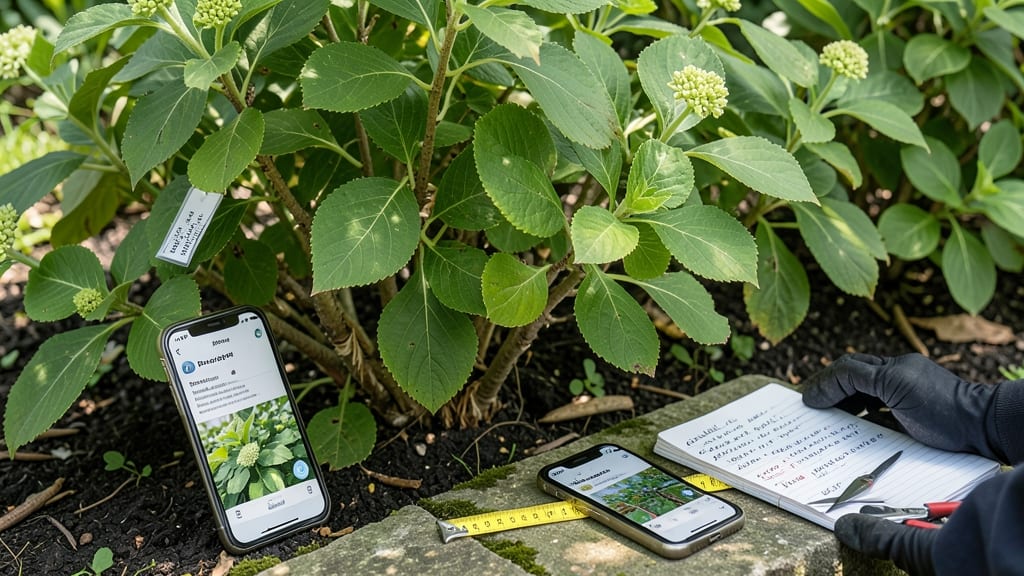
Identifying a bush starts with its leaves—shape, edges, and veins hold the secret. 🌿 I’ve spent years mistaking boxwood for holly (yes, even the thorns fooled me at first) until I learned to look closer.
The key is comparing what you see to reliable sources like iNaturalist or gardening apps, which let you upload photos for instant matches. Most bushes reveal their identity through three clues: leaf arrangement (alternate vs. opposite), bark texture (smooth vs. ridged), and growth habit (upright vs. sprawling).
For example, lilacs have fragrant spring blooms and smooth stems, while holly’s spiky edges and red berries give it away instantly. Native bushes like serviceberry often have fine-toothed leaves and small white flowers, while invasives like burning bush turn fiery red in fall.
Once you’ve narrowed it down, check for fruit, buds, or fall color—these details often seal the deal. A quick search for your top suspects will reveal pruning needs, pest risks, or whether the plant thrives in your climate.
My first misidentified bush turned into a lesson: patience with observation beats guesswork. This skill unlocks better pruning, smarter planting, and avoiding invasive species. Start with common bushes in your area, then expand to natives or rare finds.
The more you practice, the faster you’ll spot the differences—and the more confident you’ll feel in your garden decisions.
📚 In This Guide
- What you need
- Instructions
- Tips and common mistakes
- Wrapping up and next steps
What you need
- ● Hand lens or magnifying glass (3x–10x magnification) – For inspecting tiny leaf details or bark textures.
- ● Notebook & pen – To jot down observations like leaf shape, arrangement, and branch patterns.
- ● Ruler or measuring tape – Helps note leaf length, width, and spacing (inches or centimeters).
- ● Camera or smartphone – Snap photos of leaves, bark, and flowers for later comparison.
- ○ Pruning shears (optional but helpful) – If you need to gently snip a few leaves/branches for closer inspection (sterilize blades first!).
- ● Field guide or plant ID app (e.g., iNaturalist, PictureThis, or USDA Plants Database) – For real-time plant matching.
- ● Gloves – Protect your hands from thorns, sap, or unknown plants (think poison ivy!).
- ● Small plastic bags – Collect leaf/bark samples for tactile comparison.
- ● Field notebook with press-and-dry pages – Preserve samples if you’re a plant enthusiast.
- ● GPS or map app – Note the bush’s location in case you revisit it later.
Step-by-Step guide to identifying a bush by leaf and branch
Skip the guesswork—here’s how to pinpoint a bush using just its leaves and branches.
🌿 Step 1: Examine Leaf Shape and Arrangement
Start by studying the leaves. Notice their shape—are they lobed like oak, smooth like maple, or needle-like like pine? Hold a leaf between your fingers and observe how it attaches to the stem: alternate (one leaf per node), opposite (pairs at each node), or whorled (three or more leaves per node). This arrangement is a dead giveaway for many species.
Run your fingers along the leaf edges: serrated (toothed), smooth, or jagged. For example, holly leaves have sharp spines, while willow leaves are long and fuzzy. Take a photo or sketch the leaf’s outline—you’ll reference it later when comparing to identification guides.
🌱 Step 2: Inspect Branch Patterns and Bark
Look at the branches. Are they thin and flexible or thick and rigid? Check the bark texture—smooth and gray (like birch), rough and furrowed (like oak), or scaly (like beech). Young branches often reveal more clues than mature ones, so focus on the newer growth.
Pay attention to how branches grow: do they spread outward in a rounded shape (like a lilac) or grow upright in a more structured form (like a holly)? Some bushes, like boxwood, have dense, compact branches, while others, like sumac, have a more open, feathery look.
☀️ Step 3: Check for Flowers, Fruit, or Buds
If the bush has flowers, note their color, shape, and arrangement. For example, lilac bushes have clusters of fragrant purple flowers, while hydrangeas have large, rounded blooms. Even if the bush isn’t flowering now, look for dried flower heads or seed pods—these can be just as telling.
Examine the buds. Are they small and pointed (like on a dogwood) or rounded and fuzzy (like on a magnolia)? Buds often emerge before leaves in spring, making them a key identifier. If the bush has berries or fruit, note their color, size, and whether they’re clustered or solitary.
📏 Step 4: Measure and Compare
Use a ruler or measuring tape to note leaf length and width. For example, a leaf that’s 3 inches long with 5 lobes is likely a white oak, while a leaf that’s 6 inches long and deeply serrated could be a hickory. Write down these details—they’ll help narrow down possibilities in a field guide or app.
Compare what you’ve observed to a reliable plant identification resource, like a field guide or a trusted app (such as iNaturalist or PlantNet). Input your observations step by step—leaf shape, branch pattern, and any flowers or fruit—to get matches. Cross-reference with local climate and common bushes in your area to rule out unlikely candidates.
✂️ Step 5: Verify with a Close-Up Inspection
Take a small, non-destructive sample—like a fallen leaf or twig—if you’re still unsure. Place it in a clear plastic bag with a damp paper towel to preserve it temporarily. This way, you can study it more closely later or show it to a local nursery expert for confirmation.
If you’re identifying a bush in a garden or park, check nearby plants for similarities. Many bushes grow in clusters or have related species nearby, which can provide additional clues. When in doubt, snap a clear photo and consult a botanist or gardening forum for a second opinion.
Tips & tricks for mastering bush identification
These little-known details will help you go from curious observer to bush expert in no time.
Leaf Texture Matters: Beyond shape, leaf texture can be your secret weapon. In Step 1, when examining leaves, pay attention to whether they feel rough, smooth, hairy, or waxy. For example, lamb's ear leaves are covered in fuzzy white hairs, while boxwood leaves are smooth and leathery. These subtle textures often distinguish look-alike species that might otherwise confuse you.
Seasonal Clues in Step 3: The instructions mention checking for flowers, fruit, or buds, but here's what nobody tells you—timing matters. Spring buds often reveal the most about a bush, but don't overlook fall fruit. A bush with red berries in autumn might be a winterberry holly, while white berries could indicate a dogwood. Take notes throughout the year to build your identification skills.
Branch Flexibility Test: In Step 2, when inspecting branches, try this quick test: bend a small branch gently. Willowy branches that bend easily often belong to willow or birch, while rigid branches suggest oak or hawthorn. This simple physical test can help you narrow down possibilities when visual clues are ambiguous.
Preservation Hack for Step 5: When collecting samples for closer inspection, use a small spray bottle with water instead of just a damp paper towel. This keeps your samples fresher longer. For long-term preservation, press leaves between heavy books for a week or two to create herbarium-quality specimens that maintain their shape and color for years.
Pro Tips for Identify A Bush
- These little-known details will help you go from curious observer to bush expert in no time.
- Leaf Texture Matters: Beyond shape, leaf texture can be your secret weapon.
- Seasonal Clues in Step 3: The instructions mention checking for flowers, fruit, or buds, but here's what nobody tells you—timing matters.
Frequently asked questions
Got questions about identifying bushes? You’re not alone! Here are some of the most common queries—and their answers—to help you feel confident in your bush-spotting skills.
What’s the easiest way to tell if a bush is poisonous?
Always avoid touching unknown bushes with smooth, waxy leaves (like boxwood) or milky sap (e.g., milkweed). When in doubt, snap a photo and check local plant databases like iNaturalist or consult a gardening expert. Never rely on smell alone—some toxic plants (like oleander) have fragrant flowers!
Can I identify a bush in winter when there are no leaves?
Focus on branch patterns and bud shapes. For example:
- Hydrangeas have peeling bark and large, rounded buds.
- Rhododendrons have smooth, gray bark with clusters of buds.
- Boxwood has dense, layered branches with tiny buds.
What if I can’t find my bush in any plant database?
Start with these steps:
- Narrow it down by climate zone (e.g., "southeastern U.S.").
- Describe leaf texture (fuzzy, spiky, leathery) and growth habit (upright, sprawling).
- Check GRIN Global or post on gardening forums like Garden.org.
How do I tell the difference between a shrub and a small tree?
It’s all about the trunk:
- Shrubs have multiple stems (often at ground level) and rarely grow over 10–15 feet tall.
- Small trees have a single main trunk (even if pruned) and usually exceed 15 feet.
Do I need special tools to measure leaf shapes accurately?
Not at all! A ruler or smartphone works perfectly. For precise measurements:
- Use the camera app’s ruler tool (iPhone/Android) to snap a photo and overlay measurements.
- Compare leaf length to your hand size (e.g., a palm-width ≈ 3–4 inches).
- For serrated edges, trace the leaf on paper with a pencil.
Wrapping up and next steps
Identifying a bush doesn’t have to be a guessing game—by mastering leaf shapes, branch patterns, and growth habits, you’ll unlock the secrets of your garden’s green mysteries! 🌿 Whether you’re a pruning pro or just starting, these clues will help you confidently name and care for your plants.
Now that you’re armed with knowledge, why not take the next step?
🌱 Ready to Dive Deeper?
Try snapping a photo of your bush and comparing it to an online plant database like Gardening Know How or PlantNet. Or, grab your pruners and practice identifying a few more bushes—your green thumb will thank you!