
Pruning
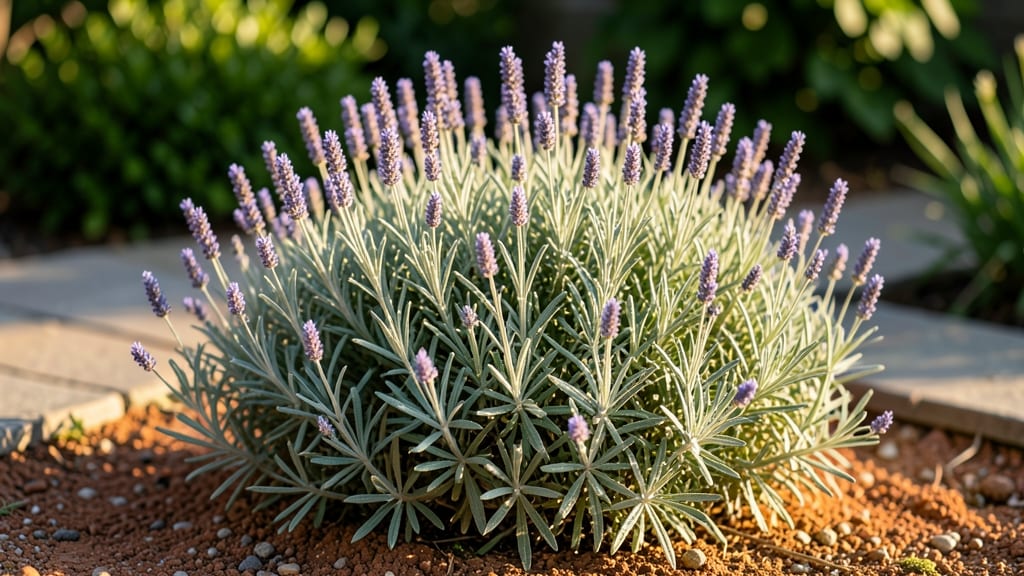
That lavender sage bush you're eyeing isn't just another pretty shrub—it's a fragrant, long-blooming powerhouse that thrives with the right pruning. 🌿 I've pruned mine every spring for years, and the difference in bushiness and bloom length is shocking.
What starts as a leggy plant transforms into a dense, flower-covered beauty that keeps blooming from early summer through fall.
The secret isn't aggressive cutting—it's strategic timing and shape. Prune right after the first flush of blooms fades (usually late spring), and you'll encourage a second wave of flowers while keeping the plant compact.
Most gardeners over-prune, but lavender sage bounces back surprisingly well even with minimal trimming. Just avoid cutting into old wood, and you'll keep it productive for decades.
By summer's end, you'll have a bush so full of purple blooms it looks like a cloud of lavender. The fragrance alone makes it worth the effort, but the fact that it attracts pollinators and repels pests is just icing on the cake.
This isn't just about looks—it's about creating a plant that works hard for your garden.
Works for both ornamental gardens and culinary uses (the leaves make a fantastic tea!). Whether you're dealing with Salvia officinalis 'Purple Sage' or a similar variety, the same principles apply. Let's get those shears ready—your bush is about to get a makeover.
📚 In This Guide
- What you need
- Instructions
- Tips and common mistakes
- Wrapping up and next steps
What you need
- ● Pruning shears or bypass pruners – Choose sharp, high-quality shears (e.g., Felco or Fiskars) to make clean cuts. Size: 6-8 inches for precision.
- ● Hand pruners or loppers – For thicker stems (up to ½ inch in diameter). Quantity: 1 pair.
- ● Garden gloves – Protect your hands from thorns and rough stems. Recommended: Nitrile-coated gloves for grip.
- ● Disinfectant (70% isopropyl alcohol or bleach solution) – Clean tools between cuts to prevent disease spread. Mix: 1 part bleach to 9 parts water.
- ● Sharpie or permanent marker – Mark stems for future reference if needed.
- ● Buckets or bags for trimmings – Collect pruned branches for composting or mulch. Size: 5-gallon capacity.
- ● Hose or water spray bottle – Dampen stems before pruning to reduce sap splatter.
- ● Knee pads or stool – For comfort if your bush is tall or dense.
- ● Pruning saw – For any stubborn, woody stems thicker than ½ inch.
- ● Slow-release fertilizer – Boost growth post-pruning (e.g., 10-10-10 NPK ratio).
Step-by-Step pruning guide for a full lavender sage bush
Transform your lavender sage into a lush, blooming powerhouse with these precision pruning techniques.
✂️ Step 1: Time Your Pruning for Optimal Growth
Prune lavender sage in early spring before new growth begins—this gives the plant time to recover before summer heat. Avoid cutting after mid-July, as late pruning delays blooms and weakens the plant for winter. I always mark my calendar: March 15th is my target date in most climates, but adjust based on your last frost.
Check for new buds forming at the base of stems. These indicate the plant is waking from dormancy and ready for shaping. If you see soft, green growth emerging, it’s time to prune. Never cut when the plant is stressed from drought or extreme temperatures—wait until conditions stabilize.
✂️ Step 2: Remove Dead and Overcrowded Growth
Start by inspecting the bush for woody, brown stems—these are dead and should be cut back to the base. Use clean, sharp pruners to make 45-degree cuts just above a leaf node or lateral bud. This prevents water from pooling on the cut and causing rot. I always disinfect my tools with rubbing alcohol between cuts to avoid spreading disease.
Next, look for overcrowded branches growing inward or crossing. These compete for sunlight and air circulation, inviting pests and fungal issues. Thin these out first, cutting back to a strong outward-facing branch. Aim to leave open space in the center—this encourages airflow and reduces humidity buildup, which lavender sage hates.
✂️ Step 3: Shape for Bushier Growth and Blooms
Step back and visualize the bush’s natural shape. Lavender sage responds well to light shaping, so avoid aggressive cuts. Focus on selective trimming to encourage a fuller form. Cut back 1/3 of the oldest stems to stimulate new growth from the base. These stems are often woody and less productive, so removing them redirects energy to younger, more vibrant branches.
For a rounded shape, trim the outermost growth to encourage branching. Make cuts just above a set of leaves or a bud, never leaving a stub. You’ll see new shoots emerge within 2-3 weeks—this is your reward for precise pruning. Avoid shearing (like hedge clippers), as lavender sage blooms on new wood and needs individual stems to develop flowers.
✂️ Step 4: Encourage Prolonged Blooms with Strategic Cuts
After the first flush of blooms fades, deadhead spent flowers by cutting back to the nearest leaf node. This prevents the plant from wasting energy on seed production and redirects it to new flower buds. I do this every 2-3 weeks throughout the growing season to extend blooming until early fall in my zone 7 garden.
For a second bloom cycle, give the plant a light trim in mid-summer (around August 1st). Cut back 1/4 of the current season’s growth, focusing on leggy or overgrown stems. This stimulates a late-season flush of flowers and keeps the bush compact. Water deeply after pruning to help the plant recover, but avoid overwatering—lavender sage despises soggy roots.
🌿 Step 5: Post-Pruning Care for a Healthy Bush
After pruning, apply a balanced, slow-release fertilizer (10-10-10) to support new growth. I sprinkle a handful around the base and water it in thoroughly. Avoid high-nitrogen fertilizers, which promote leafy growth at the expense of flowers. Lavender sage thrives on moderate nutrients, so a light feeding is all it needs.
Monitor the bush for new growth in the weeks following pruning. If you see yellowing leaves, it’s often a sign of overwatering or poor drainage. Lavender sage prefers well-draining soil and drought-like conditions once established. Mulch lightly with gravel or coarse sand to improve drainage and retain moisture without suffocating the roots.
Tips & tricks for pruning lavender sage for optimal growth
Precision pruning transforms lavender sage from a scraggly shrub into a vibrant, blooming beauty. Here's what I've learned after years of trial and error.
Timing is Everything: The early spring window (March 15th in most climates) is non-negotiable for lavender sage. This timing aligns with the plant's natural dormancy break, giving it time to recover before summer's heat stress. I've seen plants struggle when pruned too late—blooms get delayed, and the plant weakens before winter. If you miss the spring window, skip pruning entirely that year rather than risking damage.
The 45-Degree Cut Technique: When removing dead stems in Step 2, that 45-degree angle isn't just decorative—it's functional. This cut prevents water from pooling on the stem, which could lead to rot. I always use clean, sharp pruners and disinfect between cuts with rubbing alcohol. A dull blade crushes stems instead of making clean cuts, inviting disease. For stubborn woody stems, I make the cut slightly above a leaf node or lateral bud to encourage new growth from exactly where we want it.
Shape with Purpose: In Step 3, when visualizing your bush's shape, remember lavender sage blooms on new wood. Avoid shearing like hedge clippers—this removes all potential flower buds. Instead, focus on selective trimming of the oldest 1/3 of stems. These woody stems are less productive anyway, so removing them redirects energy to younger, more vibrant branches. The result? A bushier plant with more abundant blooms. I've found that making cuts just above a set of leaves or a bud gives the best results—new shoots emerge within 2-3 weeks.
Deadheading Strategy: The 2-3 week deadheading schedule in Step 4 is your secret weapon for prolonged blooms. Each time you remove spent flowers, you're telling the plant to redirect its energy toward new flower buds instead of seed production. I've extended blooming until early fall in my zone 7 garden using this method. For that second bloom cycle, the light mid-summer trim around August 1st works wonders—just focus on leggy stems and water deeply afterward to help recovery.
Pro Tips for Lavender Sage Bush
- Precision pruning transforms lavender sage from a scraggly shrub into a vibrant, blooming beauty.
- Timing is Everything: The early spring window (March 15th in most climates) is non-negotiable for lavender sage.
- The 45-Degree Cut Technique: When removing dead stems in Step 2, that 45-degree angle isn't just decorative—it's functional.
Frequently asked questions
Got questions about keeping your lavender sage bush thriving?
Here are some of the most common ones—plus expert answers to help you prune like a pro!
When is the best time to prune my lavender sage bush?
The ideal time is late winter or early spring (just before new growth starts) to avoid cutting into woody stems. If you need to shape it mid-season, do so after flowering—but avoid heavy pruning then, as it can reduce blooms next year.
How much should I trim back my lavender sage bush?
For most varieties, trim back 1/3 of the plant’s height (but never more than 1/2). Focus on removing dead, leggy, or overcrowded stems first. Avoid "shearing" it like a hedge—lavender sage thrives with natural, layered shapes.
My lavender sage bush looks woody and leggy—how do I fix it?
If your bush is overgrown, rejuvenate it with a hard prune in early spring: Cut back 2/3 of the plant’s height to encourage fresh growth. Deadhead spent blooms regularly to prevent woody stems. For severe cases, consider dividing the plant every 3–5 years to refresh it.
Can I prune lavender sage in summer?
Light pruning (like removing dead flowers) is fine in summer, but avoid heavy cuts. Pruning too late in the season can stress the plant and reduce winter hardiness. If you must prune summer-blooming varieties, do it right after flowering to allow time for new growth before fall.
Will pruning my lavender sage bush make it bloom more?
Yes! Proper pruning encourages bushier growth and more flowers—but timing matters. Prune after blooming (for spring/summer varieties) or in early spring (for fall-blooming types) to maximize next year’s blooms. Avoid cutting into current season’s flower buds, though!
What if I accidentally over-prune my lavender sage bush?
Don’t panic! If you’ve cut too much, the plant may look sad at first—but it’ll often bounce back with new shoots from the base. Water deeply and fertilize lightly (use low-nitrogen fertilizer) to support recovery. In extreme cases, propagate cuttings to save the variety!
Wrapping up and next steps
Your lavender sage bush is now primed for lush, vibrant growth and stunning blooms—thanks to your new pruning skills! 🌿 Remember, the key is timing, technique, and consistency to keep your plant thriving year after year.
Whether you’re a seasoned gardener or just starting, every snip brings you closer to a fragrant, flourishing landscape.
Ready to take it further? Experiment with container gardening or try propagating cuttings to share with friends! 🌱 Explore our guide on lavender care for even more tips to keep your garden blooming beautifully.