
Pests and Diseases
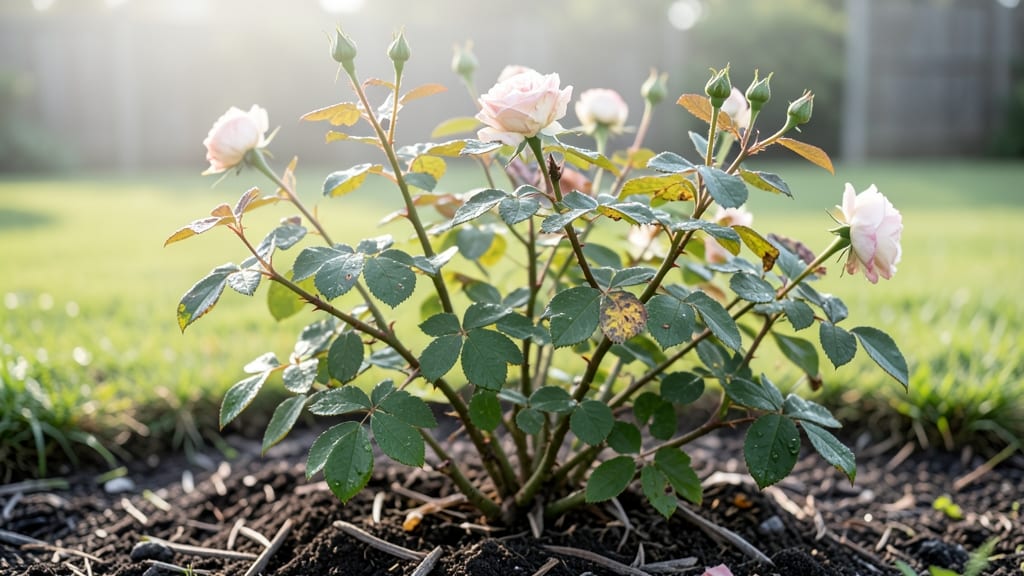
Your rose bush leaves turning yellow and falling off could mean one of five common problems—each with a specific fix. 🌹 I’ve seen this happen after a single wet summer or when gardeners overfeed their roses, and the good news is, most cases are reversible with the right approach.
The most likely culprits are fungal diseases like black spot, nutrient deficiencies (especially nitrogen or magnesium), overwatering, pests such as spider mites, or environmental stress from extreme heat or poor drainage. The key is acting fast—before the issue spreads to the roots or stems.
You’ll learn how to diagnose the exact problem by checking leaf patterns, soil moisture, and hidden pests, then apply targeted solutions like pruning, fungicides, or balanced fertilizers. Within weeks, your roses should bounce back with vibrant green foliage and stronger blooms.
This guide covers preventive care too—so you can keep your roses thriving season after season without constant yellowing. Let’s get your bushes back to their best!
Root Causes of Leaf Discoloration
When your rose bush leaves turn yellow and drop off, it’s often a cry for help from the plant. Understanding the why behind this distress signal is the first step to saving your roses.
Below, we break down the most common culprits—each with a distinct trigger—and explain how they disrupt your rose’s health at a cellular or systemic level.
Roses thrive in well-draining soil, but when they sit in soggy conditions, their roots suffocate. Excess moisture triggers a process called anaerobic respiration, where roots struggle to absorb oxygen. This leads to:
- Chlorosis (yellowing): The plant can’t transport chlorophyll properly, causing leaves to lose their green pigment.
- Root rot: Fungal pathogens like Phytophthora exploit waterlogged soil, attacking roots and cutting off nutrient flow.
- Leaf drop: As roots fail, the bush sheds leaves to conserve energy.
Actionable clue: Check the soil 2–3 inches down—if it’s damp after a week, drainage is the issue. Mulch properly (2–3 inches of organic mulch) and amend heavy clay soil with perlite or compost to improve aeration.
Fungal diseases like black spot (Diplocarpon rosae) and powdery mildew (Sphaerotheca pannosa) are the top villains behind yellowing, crinkled leaves that fall prematurely. Here’s how they strike:
- Black spot: Dark spots with yellow halos appear on upper leaves. The fungus clogs stomata (leaf pores), blocking gas exchange and causing chlorophyll breakdown.
- Powdery mildew: A white, powdery coating suffocates leaves, reducing photosynthesis. Infected leaves yellow and crisp before dropping.
Actionable clue: Look for spots or powdery residue on leaves (especially undersides). Fungi thrive in humid, shaded conditions—prune for airflow and apply neem oil or copper fungicide at the first sign.
Tiny pests sap-sucking machines drain nutrients from leaves, causing yellowing and premature drop. Their damage triggers a cascade:
- Aphids: Cluster on new growth, injecting toxic saliva that disrupts chlorophyll production. Leaves curl, yellow, and fall.
- Spider mites: Their fine webbing and feeding cause stippling (tiny yellow dots) before leaves turn bronze and drop.
- Scale insects: Armored pests smother leaves, blocking sunlight and starving the plant.
Actionable clue: Inspect leaves for sticky residue (honeydew), webbing, or tiny bugs. Blast pests off with water or use insecticidal soap. Introduce ladybugs or lacewings for natural control.
Yellowing leaves often signal a mineral shortage, but the pattern reveals the culprit:
| Deficiency | Leaf Symptoms | Why It Happens |
|---|---|---|
| Iron (Fe) | Young leaves turn yellow between veins (chlorosis) while veins stay green. | Iron is immobile in plants—new leaves can’t access it if roots can’t absorb enough (common in alkaline soil). |
| Nitrogen (N) | General yellowing of older leaves (starts at leaf tips). | Nitrogen is mobile—the plant “steals” it from old leaves to feed new growth. Poor soil or over-pruning depletes it. |
| Magnesium (Mg) | Yellow patches between veins on older leaves (like iron, but affects mature foliage). | Magnesium is a chlorophyll building block. Compacted or over-fertilized soil locks it out. |
Actionable clue: Test soil pH (6.0–6.5 is ideal for roses). Amend with chelated iron (for chlorosis) or compost/manure (for nitrogen). For magnesium, use Epsom salt (1 tbsp/gallon of water) as a foliar spray.
Roses are sensitive to extreme conditions, and sudden changes can trigger leaf drop:
- Heat stress: High temps (>90°F) cause protein denaturation in leaves, leading to yellowing and scorch.
- Cold damage: Freezing temps rupture cell membranes, causing leaves to blacken and fall.
- Transplant shock: Roots damaged during moving can’t uptake water/nutrients, leading to wilting and yellowing.
Actionable clue: Mulch deeply (4–6 inches) to regulate soil temp. Avoid transplanting in extreme heat/cold—do it in spring or fall with root stimulator. Provide afternoon shade in summer.
How to Revive Your Rose Bush
Now that you’ve pinpointed the cause of your rose bush’s yellowing and dropping leaves, it’s time to take action! Below are practical, step-by-step solutions tailored to each issue—plus tips to keep your roses thriving long-term.
Whether it’s a nutrient deficiency, pest invasion, or fungal infection, these fixes will help your bush bounce back to its vibrant best.
Problem: Soggy roots suffocate your rose bush, leading to yellow leaves and leaf drop.
How to Fix It: 🔥 Stop Watering Immediately – Let the soil dry out completely before watering again. Stick your finger 2 inches into the soil; if it’s damp, wait. 🍳 Improve Drainage – Mix compost or perlite into the soil around the base (avoid piling near the stem). For container roses, ensure pots have drainage holes. 👨🍳 Raise the Plant (If Needed) – If your rose is in a low spot where water pools, mound soil or use a garden ring to elevate it slightly. ⏰ Water Deeply but Less Often – Once the soil is dry, water slowly and deeply (1–2 inches per week) to encourage strong root growth. Avoid overhead sprinkling.
💡 Prevention Tips:
- Plant roses in well-draining soil (sandy loam works best).
- Use mulch (2–3 inches of wood chips) to retain moisture without smothering roots.
- Check your garden’s slope—roses hate sitting in puddles!
Problem: Fungal spores thrive in damp conditions, causing yellow spots, leaf drop, and weakened growth.
How to Fix It: 🔥 Prune Infected Leaves – Use sterilized pruners (wipe with rubbing alcohol) to remove all yellow or spotted leaves. Dispose of them in the trash (not compost). 🍳 Apply Fungicide – Spray with a copper-based fungicide (like copper soap) or a baking soda solution (1 tsp baking soda + 1 quart water + a drop of dish soap). Reapply every 7–10 days until new growth appears. 👨🍳 Improve Air Circulation – Thin out crowded canes and space bushes 3–4 feet apart. Avoid planting roses where they’ll be shaded by trees or structures. ⏰ Water at the Base – Use a soaker hose or drip irrigation to keep leaves dry. Water early in the morning so foliage dries quickly.
💡 Prevention Tips:
- Sanitize tools after pruning to prevent spreading spores.
- Choose resistant varieties (e.g., ‘Knock Out’ roses tolerate black spot better).
- Avoid overhead watering—fungi love damp leaves!
Problem: Sap-sucking pests weaken roses, causing yellowing, curled leaves, and premature leaf drop.
How to Fix It: 🔥 Blast Off Pests – Spray leaves with a strong stream of water to dislodge aphids or spider mites. Repeat daily for 3–5 days. 🍳 Use Insecticidal Soap – Mix 1.5 tbsp mild castile soap + 1 quart water and spray directly on pests (test on a small leaf first). Reapply every 5–7 days. 👨🍳 Introduce Beneficial Insects – Ladybugs and lacewings devour aphids. Buy them online or attract them with neem oil (spray in early evening). ⏰ Set Traps for Beetles – Fill a jar with beer + dish soap and bury it near the bush—Japanese beetles will drown in it!
💡 Prevention Tips:
- Inspect new plants before bringing them home.
- Remove fallen leaves where pests hide over winter.
- Plant pest-repelling companions like marigolds or garlic nearby.
Problem: Yellow leaves signal your rose is hungry—whether it’s lacking nitrogen (general yellowing), iron (yellow between veins), or magnesium (yellow edges).
How to Fix It: 🔥 Test Your Soil – Grab a DIY soil test kit ($10–$15) or send a sample to your local extension office for a full analysis. 🍳 Add Organic Matter – Mix compost or aged manure into the top 6 inches of soil around the bush (avoid touching the stem). 👨🍳 Use Targeted Fertilizers:
- Nitrogen deficiency? Apply a balanced rose fertilizer (10-10-10) or fish emulsion.
- Iron deficiency? Sprinkle iron chelate granules around the base and water deeply.
- Magnesium deficiency? Work Epsom salt (1 tbsp per gallon of water) into the soil or spray on leaves.
⏰ Feed in Stages – Apply fertilizer in early spring, mid-summer, and early fall—never in winter.
💡 Prevention Tips:
- Mulch annually with compost to slowly release nutrients.
- Avoid over-fertilizing—too much salt can burn roots!
- Water deeply before fertilizing to help nutrients absorb.
Problem: Extreme temperatures or sudden moves can shock roses, causing leaves to yellow and drop.
How to Fix It: 🔥 Protect from Heat – If your area is over 90°F (32°C), provide afternoon shade with a lightweight shade cloth (30–50% coverage). 🍳 Mulch Thickly – Add 4–6 inches of mulch (straw or wood chips) to insulate roots from temperature swings. 👨🍳 Water Deeply in Heatwaves – Roses need 1–2 inches of water per week during hot spells. Use drip irrigation to avoid evaporation. ⏰ Avoid Transplanting in Extreme Weather – If you moved your rose recently, wait until spring or fall (when temps are mild) to replant.
💡 Prevention Tips:
- Choose heat-tolerant varieties like ‘Earth Song’ or ‘Double Knock Out’ roses.
- Group roses together to create a microclimate with shared humidity.
- Avoid pruning during heatwaves—stressed plants recover slower.
Final Pro Tip: 🎯 Monitor and Adjust – Check your rose bush weekly after treating it. If symptoms persist, revisit the cause and tweak your approach. With patience, your roses will reward you with lush, vibrant foliage and beautiful blooms!
Frequently asked questions about rose bush leaf yellowing
Why do rose bush leaves turn yellow first on the edges?
Edge yellowing often signals magnesium deficiency or environmental stress. Magnesium is essential for chlorophyll production, and when levels drop, older leaves (which store nutrients) show yellowing between veins first. Check soil pH (6.0–6.5 is ideal) and apply Epsom salt (1 tbsp/gallon of water) as a foliar spray. If the issue persists, test for overwatering or root damage.
Can overwatering really kill my rose bush?
Yes—overwatering suffocates roots by blocking oxygen, leading to root rot and yellow leaves. Check soil moisture by sticking your finger 2–3 inches deep; if damp after a week, reduce watering. Improve drainage by mixing compost or perlite into the soil and avoid overhead watering, which wets leaves and encourages fungal growth.
How do I tell if my rose bush has black spot vs. nutrient deficiency?
Black spot causes dark spots with yellow halos on upper leaves, while deficiencies show uniform yellowing. For black spot, check for spots on leaf undersides and prune infected leaves immediately. Nutrient issues (like iron deficiency) cause yellowing between veins—test soil pH and apply chelated iron if needed.
Will pruning help if my rose bush leaves are already falling off?
Pruning alone won’t fix the root cause, but it can reduce stress by removing weak growth. Focus on cutting back dead, diseased, or crowded canes to improve airflow. Combine pruning with targeted fixes (fungicide for black spot, fertilizer for deficiencies) for best results. Prune in early spring for new growth.
Can I save my rose bush if half the leaves are yellow and falling?
Act fast by diagnosing the cause (fungus, pests, or nutrients) and applying fixes immediately. For fungal issues, use copper fungicide; for pests, spray insecticidal soap. If it’s a deficiency, amend soil with compost or Epsom salt. With proper care, new leaves should emerge within 2–4 weeks.