
Pruning
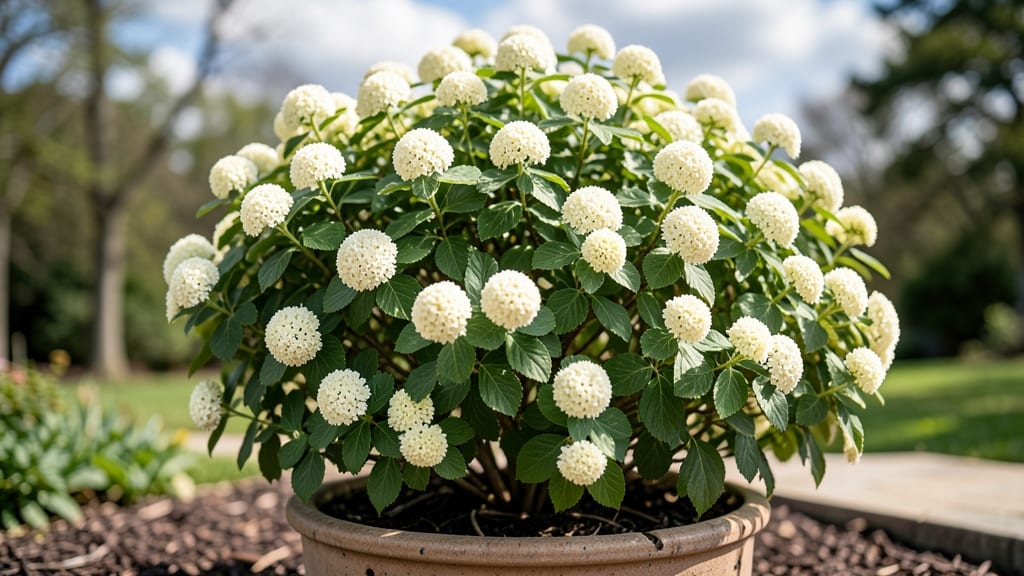
Calling this shrub the snowball bush name makes perfect sense—its cloud-like white blooms look like fluffy snowballs in spring. 🌸 Known scientifically as Viburnum opulus, it also goes by European cranberry bush or guelder rose, thanks to its bright red berries that follow the flowers.
This hardy shrub thrives in partial shade and tolerates most soil types, making it a low-maintenance star for gardens. The secret to its lush growth? Pruning right after flowering keeps it compact and encourages next year’s blooms.
You’ll love how it handles winter, too—its glossy leaves turn a soft yellow before falling, and the berries often persist into late fall, offering birds a winter feast. Perfect for hedges, borders, or even as a standalone specimen.
With its zero-fuss nature, this bush is ideal for busy gardeners or beginners. It handles urban pollution better than many shrubs and grows well in zones 2 through 7, so whether you’re in a cold northern climate or a milder region, it’s a reliable pick.
Just plant it where you’ll enjoy its showy blooms all season long. Once established, it’s nearly indestructible—drought-tolerant, deer-resistant, and pest-free. The only real rule? Give it space to spread (6 to 12 feet wide) and avoid heavy pruning in late summer, which can cut back next year’s flowers. Easy, right?
📚 In This Guide
- What you need
- Instructions
- Tips and common mistakes
- Wrapping up and next steps
What you need
- ● Pruning shears – Bypass-style (sharp, clean cuts!), 1 pair (e.g., Felco or Fiskars).
- ● Loppers – For thicker branches, 1 pair (rated for 2" diameter).
- ● Gloves – Garden-grade (cut-resistant, 1 pair).
- ● Disinfectant – 70% isopropyl alcohol or horticultural spray (small bottle).
- ○ Pruning sealant – Optional but helpful for large cuts (1 small tube).
- ● Trash bags – Heavy-duty (2–3 bags) for debris.
- ● Ladder – Extendable (if bush is 6+ feet tall).
- ● Best time to prune: Late winter or early spring (before new growth starts).
- ● Weather check: Choose a dry, calm day (no rain for 24 hours post-pruning).
- ● Safety first: Wear gloves—thorny branches are no joke! 😅
- ● Sharpen tools before starting—dull blades crush stems, inviting disease. 🔪
- ● Sterilize shears between cuts if your bush has leaf spots or pests.
- ● Sketch a plan: Step back and visualize your cuts—aim for an open center!
Step-by-Step guide to planting and caring for a snowball bush
Here’s how to grow these stunning winter bloomers with minimal effort—no green thumb required.
🌱 Step 1: Choose the Perfect Planting Spot
Snowball bushes (Viburnum opulus) thrive in partial shade to full sun, but they’ll bloom best with at least 4-6 hours of sunlight daily. I always pick a spot where they’ll get morning sun and afternoon shade—this prevents leaf scorch while keeping those iconic white clusters vibrant. The soil should drain well but stay moist, so avoid low-lying areas where water pools.
Dig a hole twice as wide as the root ball but only as deep. This encourages roots to spread outward instead of settling too low, which can rot. If your soil is heavy clay, mix in a few handfuls of compost to improve drainage. Amend the native soil with the removed earth—no need for fancy amendments unless your soil is extremely poor.
🪴 Step 2: Plant and Water for Strong Establishment
Gently remove the snowball bush from its container and loosen any circling roots with your fingers. Place it in the hole so the top of the root ball sits 1 inch above ground level—this prevents rot during heavy rains. Backfill with the amended soil, pressing lightly to remove air pockets but not compacting too firmly.
Water deeply right after planting to settle the soil and eliminate air gaps. You’ll know it’s right when water drains freely from the bottom of the hole. Mulch around the base with 2-3 inches of organic mulch (like shredded bark) to retain moisture and suppress weeds. Keep the mulch 3 inches away from the trunk to prevent rot.
☀️ Step 3: Maintain with Minimal Pruning
Snowball bushes are famous for their zero-fuss pruning, but a little care keeps them bushier and blooming longer. Prune right after flowering (late spring) to shape the plant and remove any dead or crossing branches. Use clean, sharp pruners to make cuts at a 45-degree angle just above a outward-facing bud.
If your bush gets too leggy, thin out older stems at the base in early spring. Never prune more than one-third of the plant in a single year—this stresses the bush and reduces blooms. I skip heavy pruning entirely if the plant is young or struggling, as it can take years to recover its full form.
💧 Step 4: Water and Fertilize for Year-Round Health
Water deeply once a week during the first growing season to encourage deep root growth. Once established, snowball bushes are drought-tolerant, but they’ll reward you with bigger blooms if you water during dry spells. Check soil moisture by sticking your finger 2 inches deep—if it’s dry, it’s time to water.
Fertilize lightly in early spring with a balanced, slow-release fertilizer (10-10-10). Avoid high-nitrogen fertilizers—they promote leafy growth at the expense of flowers. I skip fertilizer entirely in the second year unless the plant looks weak, as overfeeding can lead to fewer blooms.
⏰ Step 5: Prepare for Winter and Enjoy the Blooms
Snowball bushes are hardy down to Zone 2, but young plants benefit from a 3-inch layer of mulch in late fall to protect roots from freeze-thaw cycles. The iconic white flower clusters appear in late winter to early spring, often before leaves emerge—a true winter highlight.
Once blooms fade, resist the urge to prune. The berries that follow provide food for birds and add seasonal interest. If you want to encourage more flowers next year, prune lightly in late summer to remove any weak growth, but leave the structure intact.
Tips & tricks for perfect snowball bush planting
These simple strategies will help you grow a thriving snowball bush with minimal effort and maximum impact.
Location is Everything: When selecting your planting spot in Step 1, pay close attention to the 4-6 hours of sunlight requirement. The morning sun gives them the energy boost they need, while afternoon shade protects the delicate blooms from scorching. I've seen snowball bushes in full sun locations struggle with leaf burn—those crispy edges ruin the winter display. If your yard only gets 3-4 hours of sun, place it near a reflective surface like a light-colored wall to maximize light exposure.
Root Ball Placement Matters: In Step 2, that 1-inch elevation above ground level is crucial for preventing rot. I learned this the hard way when my first snowball bush developed root rot after heavy rains—it took years to recover. Use a small shovel or stick to create a slight mound before placing the root ball. This elevation helps water drain away from the plant's base, especially important in clay soils where water pools easily.
Pruning Precision: The zero-fuss pruning in Step 3 is one of this plant's best features, but there's still a right way to do it. When making those 45-degree cuts, aim for the outward-facing bud to encourage bushier growth. I always sanitize my pruners with rubbing alcohol between cuts to prevent spreading disease. And remember, those one-third pruning limits are real—cutting too much stresses the plant and can reduce next year's blooms by up to 40%.
Winter Protection: That 3-inch layer of mulch in Step 5 isn't just decoration—it's insulation. I've seen snowball bushes survive -30°F winters with proper mulching, but poorly protected plants can suffer frost heave where roots lift out of the soil. Use straw or shredded leaves for mulch—they break down more slowly than bark and provide better insulation. Apply it after the ground freezes to prevent early thawing cycles that can damage roots.
Pro Tips for Snowball Bush Name
- These simple strategies will help you grow a thriving snowball bush with minimal effort and maximum impact.
- Location is Everything: When selecting your planting spot in Step 1, pay close attention to the 4-6 hours of sunlight requirement.
- Root Ball Placement Matters: In Step 2, that 1-inch elevation above ground level is crucial for preventing rot.
Frequently asked questions
Got questions about your Viburnum opulus (aka snowball bush)?
Here are the most common ones—plus quick, no-fuss answers to keep your plant thriving!
What’s the best time to prune a snowball bush for maximum blooms?
Prune your snowball bush right after flowering (late spring to early summer). This ensures you don’t cut off next year’s buds, which form on old wood. Avoid heavy pruning in fall or winter—it can stress the plant and reduce spring blooms. Pro tip: A light trim to shape it up after blooms is all it takes!
Why aren’t my snowball bushes flowering this year?
No flowers? Check these 3 things:
- Age: Young bushes (under 3 years) may not bloom yet—be patient!
- Pruning timing: If you pruned in fall/winter, you might’ve removed flower buds.
- Sunlight: Snowball bushes need full sun to partial shade (6+ hours of sun daily).
If it’s been years and still no blooms, it might need a balanced fertilizer or better drainage.
Can I prune a snowball bush in winter?
Winter pruning is possible, but it’s riskier. Cold stress can weaken the plant, and you might accidentally cut off next year’s buds. If you must prune in winter, do it mildly (just shaping, no heavy cuts) and avoid extreme temps. Best bet: Wait until spring!
What’s a good alternative if I want a low-maintenance shrub with winter interest?
If snowball bushes feel too high-maintenance, try these zero-fuss alternatives:
- Dwarf ninebark (Physocarpus opulifolius): Tough, blooms in spring, and has great fall color.
- Spirea (Spiraea japonica): Compact, repeat blooms, and thrives in partial shade.
- Inkberry holly (Ilex glabra): Evergreen, deer-resistant, and needs no pruning.
All three are drought-tolerant once established!
My snowball bush leaves are turning yellow—what’s wrong?
Yellow leaves usually mean overwatering or poor drainage. Snowball bushes hate soggy roots! Check these fixes:
- Ensure the soil drains well (amend with compost if clay-heavy).
- Water deeply but only when the top 1–2 inches of soil are dry.
- If yellowing spreads to stems, it could be fungal disease—prune affected branches and treat with fungicide.
Good news: Snowball bushes are tough—they bounce back fast with proper care!
Wrapping up and next steps
The snowball bush is a winter beauty that thrives with minimal effort—especially when it comes to pruning! By following the right techniques, you’ll keep its iconic blooms lush and vibrant while avoiding common pitfalls.
Whether you’re a pruning pro or a beginner, this low-maintenance shrub rewards you with stunning, snow-like flowers year after year.
Ready to give your snowball bush the care it deserves? Grab your shears and get pruning! 🌸✂️ Start small—trim just one branch today—and watch your bush flourish with confidence.