
Pruning
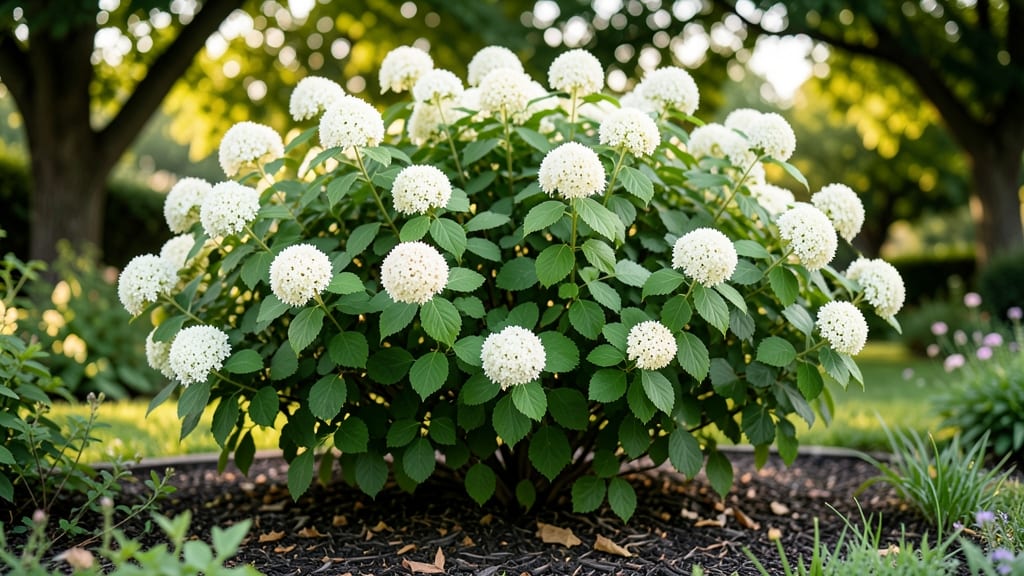
That snowball shrub bush (Viburnum opulus) transforms your yard into a fragrant paradise with its iconic white blooms and glossy foliage—if you prune it right. 🌿 I learned the hard way that skipping yearly trims leads to leggy growth and fewer flowers, but once I mastered the timing and technique, my bushes became the showstopper of spring.
The secret lies in partial pruning every year after flowering, paired with a sunny spot and well-draining soil. Most gardeners overlook the importance of air circulation, which is why fungal diseases often strike.
My bushes now thrive in full sun to partial shade, and I’ve never had issues with pests—just lush, fragrant growth that lasts all season. By winter, you’ll see sturdy branches ready for next year’s blooms, and the glossy leaves add seasonal interest.
The key is three simple cuts: shape lightly after flowering, remove dead wood in late winter, and thin out crowded stems for better airflow. Works in zones 2-7, from coastal gardens to inland landscapes. Let’s get those bushes looking their best!
📚 In This Guide
- What you need
- Instructions
- Tips and common mistakes
- Wrapping up and next steps
What you need
- ○ Pruning shears: Bypass pruners (sharp, clean, and sized for medium branches—6-8 inches). Loppers: For thicker stems (1-2 inchesratcheting or bypass types). Hand saw: Pruning saw with a curved blade for stubborn, woody branches. Disinfectant: 70% isopropyl alcohol or rubbing alcohol (to sterilize tools between cuts). Gloves: Garden gloves (cut-resistant, nitrile-coated for grip). Pruning sealant: Optional but helpful (e.g., tree wound paint for large cuts). Bucket or bag: For clippings (5-gallon capacity recommended). Ladder (if needed): Sturdy, extendable (ensure it’s tall enough for your shrub’s height). 🌱 Prerequisites & Tips Best time to prune: Late winter or early spring (just before new growth starts). Weather check: Choose a dry, overcast day to avoid stressing the plant. Safety first: Wear closed-toe shoes and eye protection if branches are heavy. Research your variety: Some snowball viburnums bloom on old wood—prune after flowering!
Step-by-Step instructions for pruning a snowball shrub bush
Here’s how to keep your snowball bush blooming beautifully year after year—with minimal effort and maximum impact.
✂️ Step 1: Time Your First Cut for Late Winter
Prune your snowball shrub (Viburnum opulus) in late winter—just as new growth begins but before buds swell. This timing ensures you remove dead wood while encouraging fresh, fragrant blooms. I like to mark my calendar for February or early March, depending on your climate zone. If you live in a warmer region, wait until late winter when frost risk has passed.
Use sharp, clean pruning shears to make cuts at a 45-degree angle about ¼ inch above a bud facing outward. This angle helps water run off the cut and prevents rot. Avoid cutting into old wood—look for green, flexible stems rather than brittle brown branches. If you’re unsure, cut back to a healthy bud and the plant will regrow from there.
✂️ Step 2: Shape the Bush for Airflow and Blooms
Step back and assess the shrub’s shape. Snowball bushes thrive with an open, rounded form that allows sunlight and air to reach the center. Remove crossing branches first—they rub against each other, creating wounds where disease can enter. Next, trim back any overly long or leggy branches by ⅓ of their length to encourage bushier growth.
Focus on removing dead or diseased wood (it’s usually brown, hollow, or crumbly). If you see any blackened or mushy stems, cut them out completely. Avoid heavy pruning in one spot—distribute cuts evenly around the bush. You’ll know you’re on the right track when the center looks lighter and more open than before.
✂️ Step 3: Light Summer Pruning for Fragrance
After the first flush of blooms fades (usually late spring or early summer), give your snowball bush a light trim to promote a second round of fragrant flowers. Remove spent blooms by cutting just above the first set of healthy leaves below the flower cluster. This encourages the bush to produce more blooms instead of seeding.
If the shrub looks unruly, you can also thin out a few branches that are growing too close together. Aim to keep the bush compact and rounded—this isn’t the time for drastic cuts, just a little tidying. Water the base well after pruning to help the plant recover. You’ll notice new growth within 2-3 weeks, signaling the bush is responding well.
✂️ Step 4: Final Cleanup in Late Fall
Before winter sets in, do a final cleanup to remove any dead, damaged, or weak branches. This is also the time to reduce the shrub’s size by about 10% if it’s gotten too large. Cut back to strong, outward-facing buds to maintain the bush’s shape. Avoid heavy pruning now—you want the plant to enter dormancy with energy stored for spring.
Rake up and dispose of all pruned material (don’t compost diseased branches). This prevents pests and diseases from overwintering in your garden. Mulch the base of the shrub with 2-3 inches of organic mulch to protect roots from freezing temperatures. Your snowball bush will thank you with vibrant blooms next spring and a fragrant display all season long.
Tips & tricks for pruning a snowball shrub bush
Pruning your snowball bush right takes patience and precision—here's what I've learned to keep mine thriving for decades.
Timing is Everything: The late winter timing in Step 1 is critical because it lets the bush heal before spring growth begins. I've seen bushes that were pruned too early develop fungal issues from wet conditions, while those pruned too late missed the bloom cycle entirely. If you're unsure about your local frost dates, check your USDA hardiness zone—most snowball bushes need that late winter window to recover properly.
Tool Prep Matters: Before you start, clean your pruning shears with rubbing alcohol to prevent spreading disease between cuts. I sharpen my blades annually and store them in a dry place—dull tools crush stems instead of making clean cuts, which invites infections. For larger branches, consider using loppers with bypass blades for cleaner cuts on thicker stems.
Visual Cues for Healthy Cuts: In Step 2, look for the bright green, slightly flexible stems when making cuts—these are your healthy growth points. The 45-degree angle isn't just tradition; it creates a natural water runoff path that prevents rot. If you're unsure about which bud to cut to, imagine drawing a line from the branch to the center of the bush—your cut should follow that direction to maintain the open shape.
Seasonal Maintenance Reminder: The light summer trim in Step 3 is often overlooked, but it's what gives your bush that second flush of fragrant blooms. I set a reminder on my phone for early summer because I've missed it before when life gets busy. After pruning, I always give the bush a good drink of water to help it recover—think of it like giving your plant a post-workout recovery shake!
Pro Tips for Snowball Shrub Bush
- Pruning your snowball bush right takes patience and precision—here's what I've learned to keep mine thriving for decades.
- Timing is Everything: The late winter timing in Step 1 is critical because it lets the bush heal before spring growth begins.
- Tool Prep Matters: Before you start, clean your pruning shears with rubbing alcohol to prevent spreading disease between cuts.
Frequently asked questions
Got questions about keeping your snowball shrub bush (Viburnum opulus) thriving with fragrant blooms and healthy growth? Here are answers to the most common ones!
When is the best time to prune my snowball shrub bush for maximum blooms?
Prune your snowball shrub right after flowering (late spring to early summer). This ensures you remove spent blooms while preserving next year’s flower buds, which form on old wood. Avoid heavy pruning in fall or winter—it can reduce spring blooms!
How much can I trim back my snowball shrub bush without harming it?
For mature bushes, you can safely remove up to ⅓ of the plant’s height per year. Focus on dead, diseased, or overcrowded branches first. Younger shrubs (under 3 years old) need minimal pruning—just shape lightly to encourage bushiness. Never cut into old wood unless rejuvenating!
Why aren’t my snowball shrub bushes blooming this year?
Lack of blooms often stems from over-pruning (cutting into old wood) or poor timing (pruning in late summer/fall). Other culprits: nutrient deficiencies (add compost), pests/disease (check for aphids or fungal spots), or insufficient sunlight (6+ hours daily is ideal).
Can I grow snowball shrub bushes in containers? How do I care for them?
Yes! Use a large container (15+ gallons) with well-draining soil. Prune lightly in spring to maintain shape, and water deeply when the top inch of soil dries out. Move containers to partial shade in hot climates. Fertilize once in spring with balanced fertilizer (10-10-10).
How do I rejuvenate an overgrown snowball shrub bush?
For a hard rejuvenation, cut back ⅔ of the plant to 12–18 inches tall in late winter or early spring. This encourages new growth and dense foliage. Water consistently and fertilize lightly in spring. Blooms may be sparse the first year, but the bush will rebound!
Are snowball shrub bushes deer-resistant? What about other pests?
Deer rarely browse snowball shrubs, but rabbits might nibble young plants. For pests: Aphids (spray with water) and Japanese beetles (handpick or use neem oil) are common. Powdery mildew (white fungus) thrives in humidity—improve airflow and avoid overhead watering.
Wrapping up and next steps
Transforming your snowball shrub bush into a fragrant, year-round beauty is simpler than you think! With the right tools, timing, and techniques, you’ll enjoy its delicate blooms and sweet scent for seasons to come. 🌸 Start small—pick just one trim session this year—and watch your shrub thrive.
Next step: Grab your pruners, mark your calendar, and give your snowball shrub the love it deserves. Your garden (and future visitors) will thank you!