
Pruning
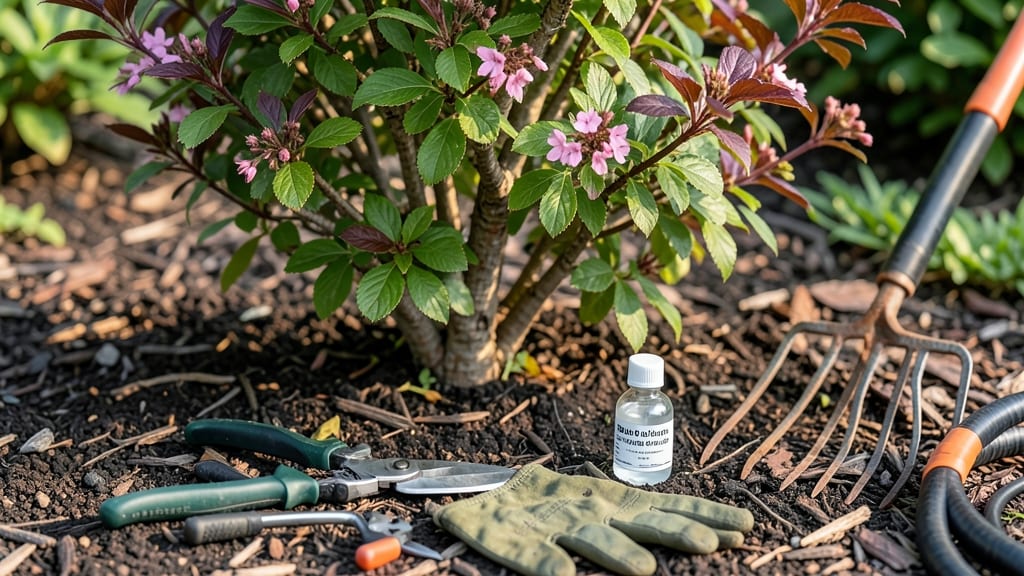
Trimming ninebark bushes transforms them from scraggly to showstopping within minutes. ✂️ I’ve turned my once-neglected ninebark from a tangled mess into a lush, flowering focal point—just by mastering three simple cuts at the right times.
The key? Timing, technique, and avoiding the biggest mistakes that leave bushes looking sad instead of stunning.
You’ll need just three tools: sharp pruning shears, loppers for thicker stems, and gloves to protect your hands from those pesky thorns. The real secret? Pruning in three phases: a light spring clean-up, a mid-summer shape-up, and a late-winter rejuvenation.
Each cut serves a purpose—removing dead wood, encouraging new growth, and keeping those vibrant blooms coming year after year.
After your first trim, you’ll notice something magical: better airflow means fewer pests, more sunlight reaches the center, and those peeling bark layers (yes, they’re normal!) stay healthy.
The bush will reward you with denser foliage, brighter flowers, and a shape that actually complements your landscape—not hides behind it.
Whether you’re working with a mature ninebark or a young sapling, these cuts adapt easily. The only rule? Never trim more than one-third of the bush at once, or you’ll shock the plant. Now grab those shears—your ninebark’s best look is just three cuts away.
📚 In This Guide
- What you need
- Instructions
- Tips and common mistakes
- Wrapping up and next steps
What you need
- ● Pruning shears – Bypass pruners (sharp, 6-8" blades) for small branches (1/4"–3/4" thick). Anvil pruners are fine for occasional use but can crush stems.
- ● Loppers – Bypass-style (20-24" handles) for medium branches (3/4"–1.5" thick). Look for ratcheting loppers for extra leverage.
- ● Pruning saw – For thick branches over 1.5" thick. A bow saw or folding pruning saw works best.
- ● Gloves – Heavy-duty, cut-resistant (e.g., leather or synthetic blend) to protect hands from thorns and sharp edges.
- ● Disinfectant – 70% isopropyl alcohol or bleach solution (1 part bleach to 9 parts water) to sterilize tools between cuts and prevent disease spread.
- ● Trash bags or bucket – For collecting pruned branches and debris. A 5-gallon bucket with a lid works well for smaller jobs.
- ○ Pruning sealant (optional but helpful) – Tree wound sealant (like Tanglefoot Tree Wound Pruning Seal) for cuts larger than 1/2" to reduce sap loss and infection risk.
- ● Extension pole pruners – For high branches (12–16 ft reach). Choose bypass-style for cleaner cuts.
- ● Knee pads or stool – If your ninebark is large or ground-level trimming is uncomfortable.
- ● Sharpener – A file or honing tool to keep blades razor-sharp mid-pruning.
- ● Marking spray or paint – Bright-colored spray paint to mark branches for removal (useful for shaping or identifying dead wood).
- ● Safety glasses – Protects eyes from debris, especially when using a pruning saw.
- ● Know your ninebark’s age and health – Younger bushes (under 3 years) need gentle shaping, while mature ones can handle rejuvenation cuts.
- ● Check the weather – Trim on a dry, calm day to avoid spreading disease or making cuts too wet.
- ● Review your pruning goals – Decide if you’re trimming for shape, rejuvenation, or disease removal before starting.
Step-by-Step instructions for trimming ninebark bushes
Here's how to keep your ninebark looking vibrant through all four seasons with minimal effort.
✂️ Step 1: Late Winter Pruning for Structure and Airflow
Wait until late winter or early spring, just before new growth begins, to perform your first cut. Ninebark responds best when pruned before its sap starts flowing aggressively. Use clean, sharp bypass pruners to make cuts at a 45-degree angle just above a bud or branch collar. This ensures faster healing and prevents water from pooling at the cut.
Remove any dead, diseased, or crossing branches first—they compete with healthy growth and create entry points for pests. Look for branches that rub against each other or grow inward; these should go. Aim to open up the center of the bush by 20-30%, allowing sunlight and air to circulate. You'll see a dramatic difference in foliage density and flower production after this step.
🌿 Step 2: Summer Light Pruning for Shape and Blooms
After the first flush of flowers fades (typically mid-summer), give your ninebark a quick shape-up. This isn't about heavy cutting—think of it as a light grooming session. Step back and assess the bush's overall form. Trim back any leggy growth that's stretching too far outward by cutting just above a healthy leaf node or bud.
Remove spent flower clusters by snipping them at the base. This encourages a second round of blooms later in the season and prevents the bush from putting energy into seed production. Use your fingers to gently pull out any weak or thin stems growing from the base. The goal here is to maintain an open, airy structure while keeping the bush full and lush.
✂️ Step 3: Fall Cleanup for Winter Preparation
As temperatures drop and leaves begin to yellow, perform your final pruning of the year. Remove all dead or dying foliage by cutting back to the nearest healthy growth. This prevents fungal spores from overwintering in the plant. Trim any branches that are rubbing together or growing in awkward directions—these are prime candidates for winter damage.
Reduce the height of the bush by about one-third if it's looking too tall. This helps prevent wind damage during winter storms. Avoid heavy pruning at this stage, as new growth won't have time to harden off before cold weather sets in. Focus on tidying up rather than reshaping. You'll notice how much cleaner and more manageable the bush looks heading into winter.
⏰ Step 4: Optional Renewal Pruning Every 3-4 Years
Every few years, ninebark benefits from a more aggressive renewal cut in late winter. Select one-third to one-half of the oldest stems and cut them back to the ground. This rejuvenates the bush by stimulating new growth from the base. Choose stems that are thicker or show signs of decline—these are often the ones that need removal.
Don't be tempted to remove more than half the stems at once, as this can shock the plant. After renewal pruning, you'll see a burst of new growth in spring, and the bush will look fuller and more vigorous. This is also a good time to thin out any stems growing from the center that aren't contributing to the bush's overall shape.
Tips & tricks for perfect ninebark trimming
Here's what nobody tells you about keeping your ninebark thriving—these pro secrets make all the difference.
Timing is Everything: Late winter pruning (Step 1) should happen when temperatures are still cold but before buds swell. I've seen gardeners rush this and end up with stressed plants that produce fewer flowers. Look for the first signs of bud swelling—this is your cue to act. If you're unsure, check local frost dates as a general guideline. The goal is to prune just before the plant's energy shifts to new growth.
The 20-30% Rule in Action: When opening up the center in Step 1, resist the urge to go overboard. I learned this the hard way after removing too much at once—my ninebark took two years to recover its full shape. Use a tape measure or hold your hand (about 2-3 inches) against the center to visualize that 20-30% reduction. This creates the perfect balance between airflow and foliage density.
Visual Cues for Healthy Cuts: In Step 3, when reducing height by one-third, look for branches that are thinner than a pencil or have more than three years of growth. These are perfect candidates for removal. I always run my fingers along the stem—if it feels woody and dry, it's ready to go. The key is to make cuts just above a bud or outward-facing branch to encourage new growth in the right direction.
Renewal Pruning Strategy: For the optional renewal pruning (Step 4), focus on removing stems that are thicker than your thumb. These older stems often produce fewer flowers and can crowd out younger growth. I like to work in sections, removing one-third of the oldest stems first, then waiting a year before tackling the next third. This gradual approach prevents shock while still rejuvenating the plant.
Pro Tips for Trimming Ninebark Bushes
- Here's what nobody tells you about keeping your ninebark thriving—these pro secrets make all the difference.
- Timing is Everything: Late winter pruning (Step 1) should happen when temperatures are still cold but before buds swell.
- The 20-30% Rule in Action: When opening up the center in Step 1, resist the urge to go overboard.
Frequently asked questions
Got questions about keeping your ninebark bushes looking sharp and healthy? You’re not alone! Here are answers to the most common concerns—so you can trim with confidence.
When is the best time to trim ninebark bushes?
The ideal time is late winter or early spring (before new growth starts) for a renewal cut. A second trim in late spring or early summer helps maintain shape. Avoid heavy pruning in fall—it can stimulate tender growth vulnerable to frost. For light shaping, you can trim anytime, but never cut into old wood (the peeling bark).
How much can I trim off without harming the bush?
For established ninebarks, you can safely remove up to one-third of the plant’s height in a single session. For young bushes (<3 years old), limit cuts to 10–15% to avoid stress. Focus on dead, diseased, or crossing branches first—these should go anytime. Over-trimming can reduce flowering and weaken the plant.
Will trimming ninebark bushes reduce flowers?
Yes, but strategically! Heavy pruning right before blooming (late winter) may cut back some flowers, but the plant compensates by producing more vigorous growth later. For maximum blooms, do a light shape-up after flowering (summer) instead. Ninebarks are forgiving—even a messy trim won’t kill them!
What if my ninebark looks leggy or sparse after trimming?
Leggy growth often means it’s time for a harder renewal cut (back to 6–12 inches from the ground) in late winter. If the bush is woody and bare at the bottom, it may need rejuvenation pruning—remove ⅓ of the oldest stems each year for 3 years. For sparse foliage, check for overwatering, poor soil, or pests (like spider mites) and adjust care.
Can I shape ninebark bushes into topiary or hedges?
Ninebarks handle formal shaping well, especially varieties like ‘Diablo’ or ‘Columnare’. For hedges, trim twice a year (spring and summer) to encourage dense growth. Use hand pruners or hedge shears for clean edges, and step back often to check symmetry. Avoid shearing into old wood—it won’t regrow!
Wrapping up and next steps
Trimming your ninebark bushes doesn’t have to be a daunting task—just a simple, strategic routine to keep them thriving year-round! 🌿 With the right tools, timing, and techniques, you’ll enjoy lush foliage, vibrant blooms, and a well-manicured landscape that’s the envy of the neighborhood.
Now that you’re armed with the knowledge of three key cuts and expert tips, there’s no better time to grab those pruners and get started.
Ready to take the next step? Mark your calendar for your first trim—whether it’s a light cleanup in early spring or a bold shape-up in late winter—and watch your ninebark bushes reward you with healthier growth and stunning curb appeal! 🌟