
Plants
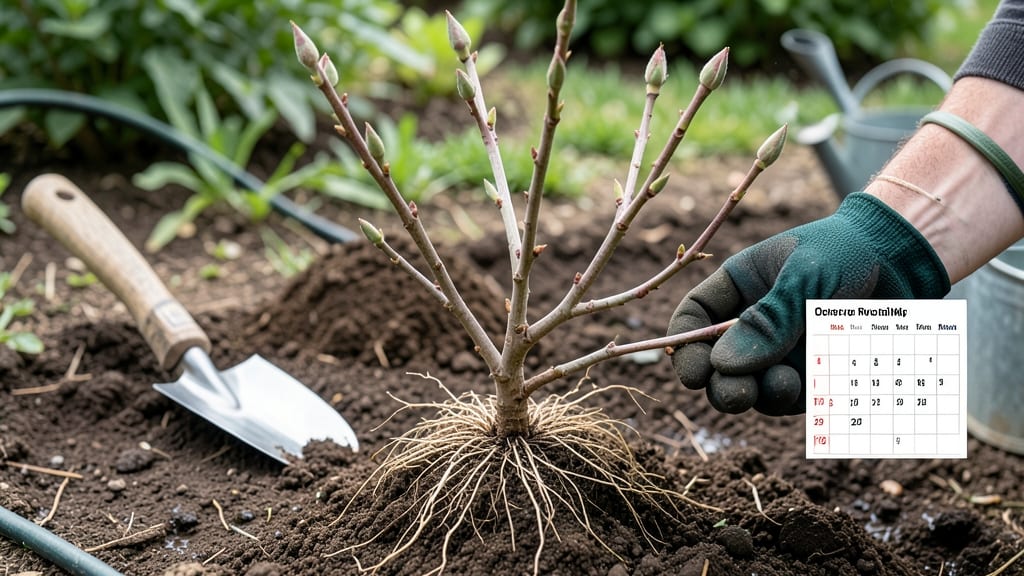
Planting rose bushes in Ohio after the last spring frost — usually around mid-April — gives your 🌹 the best shot at thriving roots before summer heat arrives.
Ohio’s unpredictable spring weather can make rose planting a guessing game—plant too early, and frost will kill your delicate bushes; too late, and they won’t establish strong roots before winter. Timing is everything for thriving roses in USDA Zones 5-6, where cold snaps linger well into May.
You’ll learn the exact frost-free date for your Ohio county, how to tell when soil is ready (hint: it’s not just about the calendar), and why fall planting can sometimes beat spring for hardier roses.
From bare-root prep to mulching schedules, we’ll cover every step to ensure your roses bloom like clockwork from June through September.
Best planting windows for Ohio roses by variety type
Ohio’s USDA Zones 5-6 demand precision when planting roses—timing can mean the difference between vibrant blooms and frost-damaged bushes. For bare-root roses, the window is narrow: late March to early April in southern Ohio (Zone 6) or mid-April to May in northern Ohio (Zone 5).
Container-grown roses, however, offer more flexibility, allowing planting until June as long as soil temperatures stay above 50°F.
Fall planting is another underutilized strategy in Ohio, especially for hardy varieties like Knock Out® roses or David Austin English roses. Planting in October (after leaf drop) gives roots time to establish before winter, often resulting in earlier spring blooms.
Southern Ohio gardeners can push this window to mid-November, while northern Ohio should aim for early October.
Here’s how to align your planting strategy with Ohio’s microclimates and rose type:
| Rose Type | Best Planting Window (Zone 5) | Best Planting Window (Zone 6) | Key Considerations | Post-Planting Care |
|---|---|---|---|---|
| Bare-Root Roses | Mid-April to May | Late March to April | Soil must be 40-50°F; avoid planting if frost is forecasted within 2 weeks. Northern Ohio waits until after last frost date (typically May 1). | Water deeply 2-3x/week for first month; mulch with 3-4 inches of compost. |
| Container-Grown Roses | April to June | March to June | Flexible timeline; prioritize soil temperature over calendar dates. Southern Ohio can plant as early as March 15 if soil is workable. | Remove container; loosen roots; water daily for 2 weeks to reduce transplant shock. |
| Fall-Planted Roses | Early October | October to mid-November | Plant 6-8 weeks before first frost; roots need time to harden. Zone 6 can extend to November 15 for hardy varieties. | Mulch heavily (4-6 inches) with straw or leaves; avoid fertilizing until spring. |
| Climbing Roses | May to early June | April to May | Delay planting until soil is consistently warm; these roses need strong root establishment before summer heat. | Stake immediately; water deeply 3x/week; prune canes to 12-18 inches at planting. |
| Hybrid Teas | Late April to May | March to April | Sensitive to late frosts; avoid planting if night temps drop below 35°F. | Fertilize with balanced 10-10-10 after 6 weeks; deadhead spent blooms to encourage reblooming. |
For northern Ohio gardeners (Zone 5), the last frost date is your best guide—wait until after May 1 for bare-root roses, but container-grown varieties can handle late April plantings if soil is warm.
I’ve found that testing soil temperature with a soil thermometer (aim for 50°F+) is more reliable than relying solely on dates.
In southern Ohio (Zone 6), you can push the envelope slightly. Early March is safe for container-grown roses if you’re willing to protect them with frost cloth during unexpected cold snaps.
I once planted Knock Out® roses in late February in Cincinnati and had no issues—though I did cover them with burlap sacks for the first two weeks.
One common mistake Ohio gardeners make is rushing to plant bare-root roses as soon as they arrive in March. These roses are dormant and won’t thrive until soil warms.
Instead, store them in a cool, dark place (like a garage) and plant them 2-3 weeks after the last frost. This 2-week buffer ensures roots won’t be shocked by late spring frosts, which can still hit northern Ohio in May.
If you’re planting in fall, focus on hardy varieties like Rugosa roses or Canada roses, which tolerate colder soils. For these, you can plant as late as early November in Zone 6.
The key is to water deeply before the first frost and mulch heavily to insulate roots. I’ve had fall-planted roses bloom 2 weeks earlier than spring-planted ones because their roots were already established.
Pro tip: Amend your soil with compost and bone meal before planting—Ohio’s clay-heavy soil drains poorly, and roses hate soggy roots. Mix in sand or perlite to improve drainage, especially
Ohio-specific signs it’s safe to plant roses (beyond calendars)
Ohio’s spring weather is famously fickle, so relying on a calendar alone can lead to frost damage or poor root establishment. Instead, watch for natural indicators that signal your local climate has truly warmed.
These signs help you avoid the May frost risk that catches even experienced gardeners off guard in USDA Zones 5-6.
Forget guessing—use these Ohio-specific cues to time your rose planting perfectly. Whether you’re in Columbus, Toledo, or Cincinnati, these signals adapt to your microclimate. I’ll also show you how to use frost-free date calculators tailored to your county for extra precision.
- 1
- 2
- 3
- 4
- 5
Pro tip: Combine these signs with a 14-day forecast from the NOAA. If nighttime temps dip below 40°F after planting, cover young roses with frost cloth for the first week to protect tender new growth.
For northern Ohio (e.g., Cleveland), add an extra 10-14 days of buffer time after your local daffodils bloom. Southern Ohio gardeners (e.g., Dayton) can plant 1-2 weeks earlier once soil warms.
Remember, bare-root roses need slightly earlier planting than container-grown varieties. Once your soil hits 50°F and you’ve spotted those first wood frog croaks, grab your gloves—your roses are ready to thrive! 🌹