
Pests and Diseases
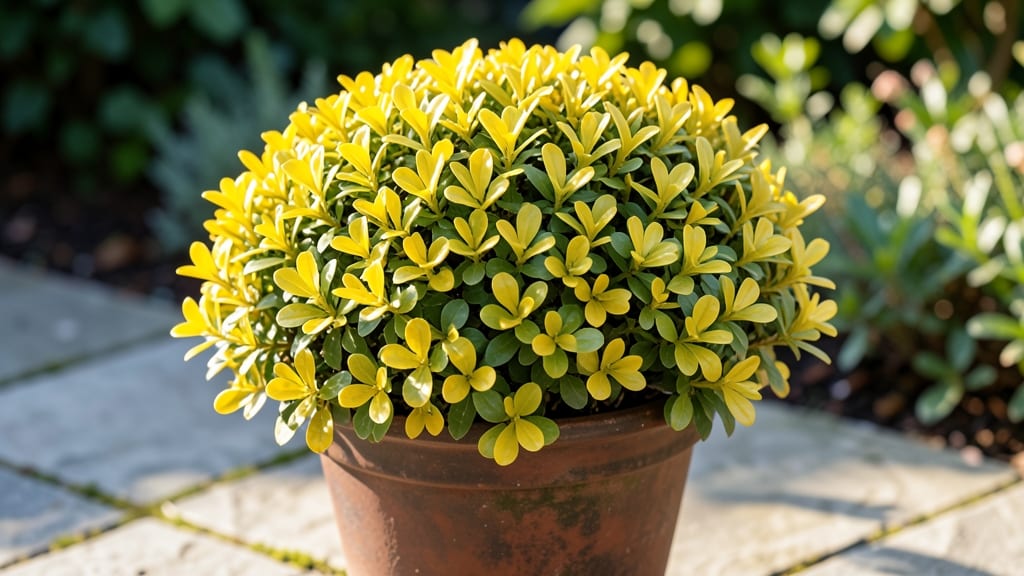
That yellowish-green bush isn’t just a cosmetic issue—it’s your plant’s SOS signal. 🌿 Whether it’s fungal blight, nutrient starvation, or pests, the right diagnosis means faster recovery.
I’ve seen this problem turn around in under 2 weeks with the correct approach, and I’ll show you how to spot the difference between overwatering and a fungal infection before it spreads.
The most common culprits are fungal blight (which thrives in damp conditions), magnesium deficiency (showing as yellow between veins), or spider mites (leaving stippled leaves). Start by checking the undersides of leaves for webbing or spots—those clues tell you exactly what’s wrong.
Overwatering often mimics fungal issues, so let the soil dry slightly between waterings before jumping to treatments. Once you identify the problem, targeted action makes all the difference.
For fungal blight, neem oil or copper fungicide works fast; for nutrient issues, a balanced fertilizer with extra magnesium fixes it in 7-10 days. The key is acting before the bush loses more than 20% of its foliage—after that, recovery slows dramatically.
This method works for shrubs, trees, or even houseplants. The sooner you act, the sooner your bush bounces back to full, vibrant green. Let’s get it fixed before it’s too late.
Root Causes Of Leaf Discoloration
When your bush develops a yellowish-green hue, it’s rarely just a random quirk of nature—it’s usually a cry for help. Understanding the underlying causes can help you diagnose the issue and take corrective action before the problem spreads.
Below, we break down the most common reasons why your bush might be turning this unnatural shade, along with the science behind each one.
A bush’s leaves act like a nutritional report card, and yellowing or greenish discoloration often signals an imbalance in essential nutrients. The most common culprits are:
- Nitrogen Deficiency: While nitrogen is vital for lush green growth, too little can cause leaves to turn pale yellow, especially along the veins. This is common in sandy or overly drained soils where nitrogen leaches away quickly. Too much nitrogen, on the other hand, can lead to a yellowish-green tint while promoting excessive, weak growth.
- Iron or Magnesium Deficiency: These micronutrients are crucial for chlorophyll production. A lack of iron (often in alkaline soils) causes interveinal chlorosis—yellowing between veins, leaving the veins green. Magnesium deficiency (common in overwatered or acidic soils) leads to yellowing between veins, starting at the leaf edges and moving inward.
- Potassium or Phosphorus Shortage: While these don’t always cause yellowing, they weaken the plant’s overall health, making it more susceptible to diseases (like fungal blight) that then trigger discoloration.
Actionable Fix: Test your soil’s pH and nutrient levels with a DIY kit. Amend soil with organic matter (compost, worm castings) or use chelated iron for quick absorption if deficiency is confirmed.
Yellowish-green leaves can also be a waterlogged warning sign. When roots sit in soggy soil for too long, they struggle to absorb oxygen, leading to:
- Root Rot: Fungal pathogens like Phytophthora or Pythium thrive in waterlogged conditions, blocking nutrient uptake and causing leaves to turn yellow-green. The edges may also appear water-soaked or brown.
- Nutrient Leaching: Excess water flushes away essential minerals (like nitrogen and potassium) before the plant can use them, leading to a dull, yellowish-green cast.
- Oxygen Deprivation: Roots need oxygen to function. Waterlogged soil suffocates them, slowing growth and turning leaves pale.
Actionable Fix:
- ✅ Check drainage: Ensure pots have holes and garden beds aren’t compacted.
- ✅ Adjust watering: Let the top 1–2 inches of soil dry out between waterings.
- ✅ Improve soil structure: Add perlite, sand, or compost to boost aeration.
Bushes are like Goldilocks—they need just the right amount of light. Too little or too much can disrupt chlorophyll production, leading to yellowish-green leaves:
- Leggy, Pale Growth (Low Light): In shady spots, plants stretch toward light (etiolation), producing weak stems and leaves that turn yellowish-green or pale. Chlorophyll production slows, and the plant’s energy focus shifts to reaching for light.
- Sunburn or Bleaching (Excess Light): Intense afternoon sun (especially in hot climates) can bleach chlorophyll, causing a yellowish-green or even white cast. This is common in variegated plants or those suddenly moved from shade to full sun.
Actionable Fix:
- 🌿 For shade lovers: Gradually acclimate to brighter light or use sheer curtains.
- 🌞 For sun seekers: Provide afternoon shade (e.g., lattice screens) or move to a spot with dappled light.
While nutrient issues and water problems are common, fungal blight is often the hidden cause behind persistent yellowish-green patches. Fungi like Septoria, Alternaria, or Powdery Mildew don’t just kill leaves—they disrupt chlorophyll and nutrient transport, leading to:
- Spotted Yellowing: Fungal spores clog stomata (pores), preventing gas exchange. Leaves develop irregular yellow-green patches with dark spots or powdery growth.
- Premature Leaf Drop: Infected leaves may turn yellow-green before falling, weakening the plant’s ability to photosynthesize.
- Systemic Spread: Fungi often start on lower leaves but move upward, turning more foliage yellow-green over time.
Actionable Fix:
- 🔍 Identify the fungus: Check for powdery white coatings (Powdery Mildew) or dark spots with yellow halos (Septoria).
- 💧 Improve airflow: Prune crowded branches and space plants 12–18 inches apart.
- 🛡️ Apply fungicides: Use neem oil, baking soda spray (1 tsp baking soda + 1 quart water + drop of soap), or copper-based fungicides for severe cases.
Pro Tip: 💡 When in doubt, isolate the plant—fungal spores spread quickly. If the yellow-green discoloration is paired with sticky residue (aphids) or crusty scales, pests may also be the culprit (addressed in the next section).
Quick Fixes for Fungal Blight
Fungal blight on your shrubs or plants can be unsightly and damaging, but the good news is that early action can often save your greenery.
Below, we’ve mapped out practical solutions based on the most common causes of that pesky yellowish-green bush, along with prevention tips to keep your plants thriving.
If your bush is turning yellowish-green due to soggy roots or compacted soil, drainage is your first ally.
🔥 Step 1: Check the Soil
- Dig a small hole (3-4 inches deep) near the base of the plant.
- If water pools or the soil feels muddy after 10 minutes, drainage is the issue.
- Fix: Amend the soil with perlite, sand, or compost to improve aeration.
For container plants, ensure pots have drainage holes.
👨🍳 Step 2: Adjust Watering Habits
- Water deeply but less frequently—aim for 1-1.5 inches per week (check soil moisture before watering).
- Avoid overhead watering, which can promote fungal growth.
Use drip irrigation or water at the base. - Pro Tip: 💡 If your plant is in a pot, lift it—if it’s heavier than expected, it’s waterlogged. Let it dry out slightly between waterings.
🌡️ Step 3: Improve Airflow
- Trim back dense foliage to allow better airflow around the bush.
- Space plants 12-18 inches apart to reduce humidity buildup.
If your yellowish-green bush is covered in spots, powdery residue, or slimy patches, a fungal infection (like powdery mildew or leaf spot) is likely the culprit.
🔪 Step 1: Prune Infected Areas
- Sterilize pruners with rubbing alcohol before and after cutting.
- Remove and destroy (don’t compost!) all yellowed or spotted leaves to prevent spread.
🥘 Step 2: Apply Fungicide
- Organic Option: Mix 1 tsp baking soda + 1 quart water + a few drops of dish soap (spray on leaves).
- Chemical Option: Use a copper-based fungicide (follow label instructions).
- Reapply every 7-10 days until new growth appears.
✨ Step 3: Boost Plant Immunity
- Fertilize lightly with a balanced, slow-release fertilizer (too much nitrogen weakens plants).
- Strengthen roots with mycorrhizal fungi (available at garden centers) to improve nutrient uptake.
If pests (like aphids, mites, or scale) are weakening your bush, they can lead to yellowing and fungal secondary infections.
🔍 Step 1: Inspect for Pests
- Look for sticky residue (honeydew), tiny webs, or small bugs on stems/leaves.
- Fix: Blast off pests with a strong spray of water or use neem oil (mix 1 tbsp neem oil + 1 tsp dish soap + 1 quart water).
🛡️ Step 2: Introduce Beneficial Insects
- Ladybugs, lacewings, or parasitic wasps eat common garden pests naturally.
- Pro Tip: 🌿 Plant marigolds or basil nearby to attract these helpful bugs.
🚫 Step 3: Quarantine Affected Plants
- Keep infected plants separate from healthy ones until pests are gone.
- Clean tools and pots with bleach solution (1:10 bleach:water) to avoid cross-contamination.
Yellowing between veins (especially on older leaves) often signals iron, magnesium, or nitrogen deficiency.
📊 Step 1: Test Your Soil
- Use a home soil test kit (available at garden centers) to check pH and nutrient levels.
- Ideal pH for most shrubs: 6.0–7.0 (adjust with lime to raise or sulfur to lower).
💪 Step 2: Apply the Right Fertilizer
| Deficiency | Symptoms | Solution |
|---|---|---|
| Nitrogen (N) | Pale yellow leaves | Balanced fertilizer (10-10-10) |
| Iron (Fe) | Yellow between veins | Chelated iron supplement |
| Magnesium (Mg) | Yellow patches, brown veins | Epsom salt (1 tbsp/gallon water) |
🍎 Step 3: Use Organic Amendments
- Compost or worm castings improve soil structure and provide slow-release nutrients.
- Avoid over-fertilizing—more isn’t always better!
Once you’ve treated your yellowish-green bush, prevent recurrence with these long-term strategies:
✅ 🌡️ Mulch Properly – Use 2-3 inches of organic mulch (wood chips, straw) to retain moisture without suffocating roots.
✅ 🌿 Rotate Plants – Avoid planting the same species in the same spot yearly to prevent soil-borne fungal buildup.
✅ 🌧️ Water in the Morning – Wet foliage dries faster, reducing fungal spores’ chance to spread.
✅ 🔄 Clean Up Debris – Remove fallen leaves, dead branches, and weeds regularly (they harbor fungi).
✅ 🌱 Choose Resistant Varieties – Some shrubs (like dwarf boxwood or disease-resistant roses) are less prone to blight.
By tackling the root cause—whether it’s overwatering, fungal spread, pests, or poor nutrition—you can revive your bush and keep it lush and green. Act fast, and your plants will thank you with vigorous, healthy growth! 🌿💚
Frequently asked questions
Why does my bush look yellowish-green instead of healthy green?
Yellowish-green foliage usually signals stress from nutrient deficiencies (like iron or magnesium), overwatering, fungal infections, or pests. Check leaf patterns: yellowing between veins often means magnesium deficiency, while uniform pale green suggests nitrogen issues or poor light.
How can I tell if my bush has a fungal infection?
Look for spotted leaves, powdery white residue (powdery mildew), or dark spots with yellow halos (leaf spot). Fungal infections often start on lower leaves and spread upward. If you see these signs, prune infected areas immediately and apply neem oil or copper fungicide.
Is overwatering really making my bush yellowish-green?
Waterlogged soil blocks oxygen, causing root rot and nutrient leaching. Test by lifting the pot—if it feels heavy, it's overwatered. Fix it by letting soil dry between waterings and adding perlite or sand to improve drainage.
Can I save a bush with 50% yellowish-green leaves?
Yes, but act fast! Prune all severely affected leaves, adjust water/nutrients, and treat for pests/fungi. If the bush is still sturdy with some green growth, it can recover in 4-6 weeks. If it's mostly yellow, consider replacing it to prevent spread.
What’s the fastest way to fix magnesium deficiency?
Use Epsom salt (1 tablespoon per gallon of water) as a foliar spray or soil drench. For quick results, apply it every 2 weeks until new growth appears. Also, test your soil—magnesium issues often stem from acidic or compacted soil.